Sign In
 Free Newsletter


Home rule under pressure: Arizona’s rebalancing of state and local power
In Arizona, we still speak the language of local control. The state constitution permits cities to adopt charters, and “home rule” is often treated as a settled feature of our […]

‘Gas station heroin’ is putting Arizona families at risk — our laws haven’t kept up
Addiction specialists and pediatricians across Arizona are sounding the alarm about unregulated kratom products sold in convenience stores and gas stations. Scottsdale Recovery Center reports patients experiencing kratom dependence and […]

Our ballot referrals demand legislative accountability
Arizona voters elect state legislators to represent their voices, respect their time, spend their tax dollars responsibly and focus on what you really need. That’s why it’s frustrating to watch, […]

Give me liberty, or give me… a preventable outbreak
An effort to amend the Arizona Constitution (HCR 2056) with the “right to refuse medical mandates,” was introduced this legislative session but has since stalled. However, a related bill, HB […]

The high cost of Arizona’s energy cancel culture
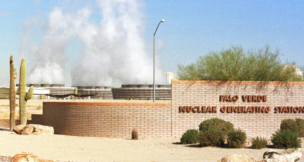
As a lifelong conservative who has spent decades working on energy-related issues, including serving as a campaign surrogate on energy for John McCain’s 2008 presidential run, I recall that our […]

Arizona’s energy leaders agree — unleash clean energy, strengthen the grid
One of the fastest-growing states in the nation, Arizona is undergoing a tech-driven economic boom, with major investments from chip manufacturers, electric vehicle factories and digital data companies transforming it […]

Petersen is the most qualified Republican for attorney general
Note: This article is a direct response to https://azcapitoltimes.com/news/2026/04/15/a-petersen-ag-nomination-would-be-an-early-victory-for-the-democrats/ A recent op-ed by an animal law attorney and three-time donor to Rodney Glassman’s campaign got both the law and the […]

World Press Freedom Day: What independent journalism actually does
Every year, World Press Freedom Day (May 3) gives us a moment to pause and reflect on the role journalism plays in our lives and in our democracy. This year’s […]

The Rule of Law still deserves our attention
May 1 marks Law Day, a day set aside to recognize a simple but powerful idea: in America, we are governed by laws, not by individuals. Law Day was established […]

Arizona must close the border loophole fueling illegal vapes
The Arizona Legislature has an opportunity to take a meaningful step toward protecting our communities and bringing transparency to a market that has operated without oversight for far too long. […]

Delivering Arizona’s Energy Promise
Let’s face it. Business leaders and consumer advocates aren’t known for agreeing on the composition of our energy mix or the rates and charges consumers are assessed on their monthly […]

The conversation on short-term rentals must continue
Across rural Arizona, tourism is our lifeblood. Visitors fuel small businesses, sustain restaurants, and support the tax base that keeps our communities thriving. That is why we thank Representative Selina […]