Sign In



 Free Newsletter


What changes will Democrats make to Arizona’s ESA program?
By Jakob Thorington and Rachel Ohm, Arizona Capitol Times//November 6, 2026//
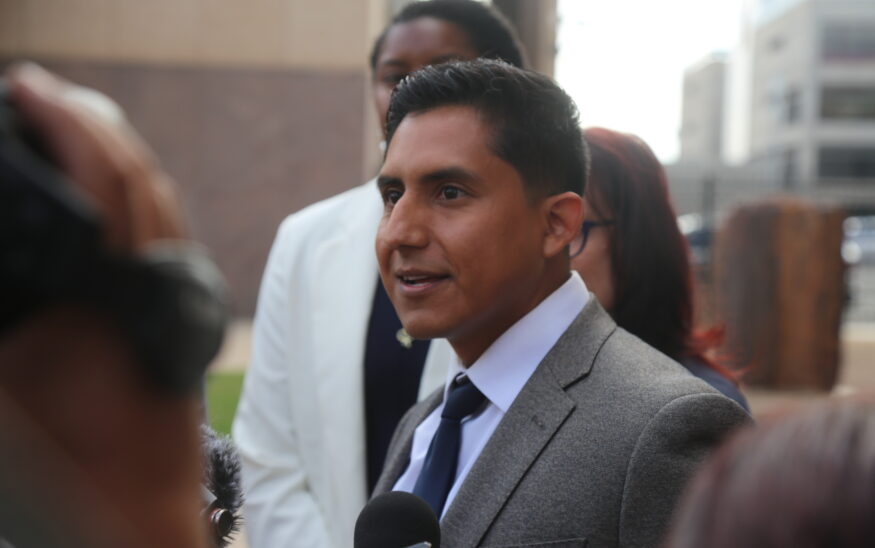
Speaker-elect Oscar De Los Santos, D-Laveen, speaks to reporters on Nov. 6, 2026, after House Democrats elected him to be the first Democratic House speaker in 60 years. (Jakob Thorington/Arizona Capitol Times).
What changes will Democrats make to Arizona’s ESA program?
By Jakob Thorington and Rachel Ohm, Arizona Capitol Times//November 6, 2026//


Key points:
- Democratic leaders, now in control of the Legislature and governor’s office, say reforming the school choice program is a top priority
- Lawmakers will look to craft a measure similar to Proposition 212, a citizens’ initiative that failed to qualify for the ballot and that included an income cap
- The new superintendent of public instruction also plans to make changes to the program
Arizona’s school choice program could see major reforms with Democrats now in control of the Legislature, the governor’s office and the top job at the state Department of Education.
The Empowerment Scholarship Account program has been the subject of recent debate among lawmakers and state leaders. Republicans have opposed major restrictions on the $1 billion program but have signaled some support for more accountability amid concerns about fraud and abuse, while Democrats and school-choice opponents want more wide-ranging reforms.
Attempts to negotiate reforms to the program were unsuccessful in this year’s legislative session, and this past summer courts knocked two ESA-related measures off the ballot.
Now, with Democrats taking control of both chambers of the Legislature, lawmakers and Democratic Gov. Katie Hobbs say they are ready to push through changes – though what exactly that will entail remains to be seen.
“We’ll crack down on the waste, fraud and abuse in the out-of-control ESA entitlement program while delivering $1 billion to our public schools – without raising taxes,” Hobbs said in a victory speech Wednesday.
A spokesperson for Hobbs declined to provide further details Friday on what changes the governor would like to see to the program.
Both Democratic and Republican lawmakers, meanwhile, said the issue is top of mind.
House Speaker-elect Oscar De Los Santos told reporters after a Friday caucus meeting that one of Democrats’ main priorities is to invest in the state’s public schools.
“Unfortunately for decades, the Republican majorities who have served in these chambers have turned their backs on our public schools and our public school students,” De Los Santos said. “We want to end the waste and the fraud and the abuse within the ESA voucher program and make sure that taxpayer dollars are going where they need to go.”
Rep. Nancy Gutierrez, whom House Democrats elected as their new majority leader, said the caucus will prioritize a measure similar to Proposition 212, a citizens’ initiative that failed to qualify for the ballot because supporters did not collect enough lawful signatures.
That measure would have set a household income cap of $150,000 for program enrollees and restricted allowable expenses. Gutierrez said Democrats will start with a measure similar to Prop. 212, but they want to continue discussing their plans with education stakeholders.
Democrats did not say if they’re seeking to return the program to how it operated before universal expansion in 2022.
“To pass anything out of this chamber, we’re going to need 31 votes,” De Los Santos said. “So we’re going to have a lot of conversations with the caucus.”
Outgoing House Speaker Steve Montenegro, who will serve as minority leader for Republicans in the coming session, said protecting the ESA program is one of his party’s top priorities. Republicans have no intention of standing by and watching the program be dismantled, he said.
“We always want to make sure we’re protecting public dollars, and there’s accountability for public dollars, but our number one priority is always standing for parents and their choices,” Montenegro said. “Parents have the ability to raise their children in the way they want to, and we want to stand with parents.”
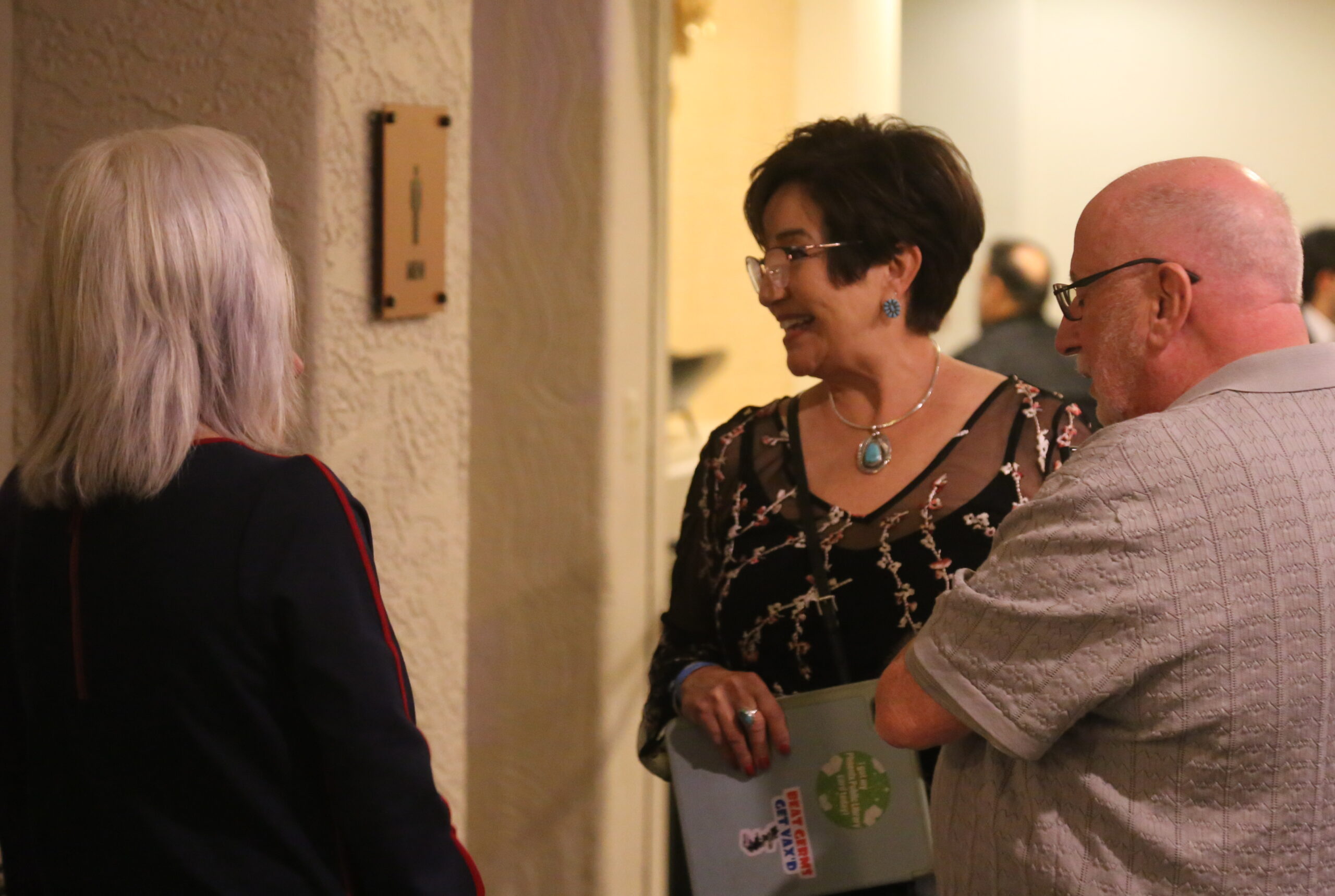
Starting in January, Arizona will have a Democratic superintendent of public instruction after Teresa Leyba Ruiz defeated Republican Kimberly Yee. Ruiz will replace outgoing schools chief Tom Horne, a Republican.
Lawmakers must approve major ESA policies, but Ruiz said in an interview Friday that as the program’s administrator, she can make some changes.
Ruiz said she wants to change the system so ESA expenses submitted by families under $2,000 are no longer automatically approved by the state. She also said she plans to launch an online portal where the public can view data on spending in the ESA program.
“This goes back to our core belief that public dollars demand public accountability,” Ruiz said.
Ruiz declined to say whether she thinks there should be an income cap on the program or if it should be limited to only certain students, such as those with disabilities.
“My job as superintendent is to administer the law, to implement it with fidelity and integrity, and I’m going to let the Legislature grapple with those kinds of questions,” she said.