Sign In
 Free Newsletter

Court considers state lawsuit against Saudi firm’s groundwater usage
Kiera Riley Arizona Capitol Times//March 29, 2026//
(James Cheney / Pexels)
Court considers state lawsuit against Saudi firm’s groundwater usage
Kiera Riley Arizona Capitol Times//March 29, 2026//


Key Points:
-
Judge weighs pausing lawsuit amid active management area regulation
-
State alleges excessive pumping of groundwater causing harm to community only court can fix
-
Fondomonte claims court should avoid duplicative work, allow agency to work
A judge is now mulling whether to push pause on the attorney general’s public nuisance lawsuit against a Saudi-owned alfalfa farm as the state’s water resources department moves to regulate groundwater in the area.
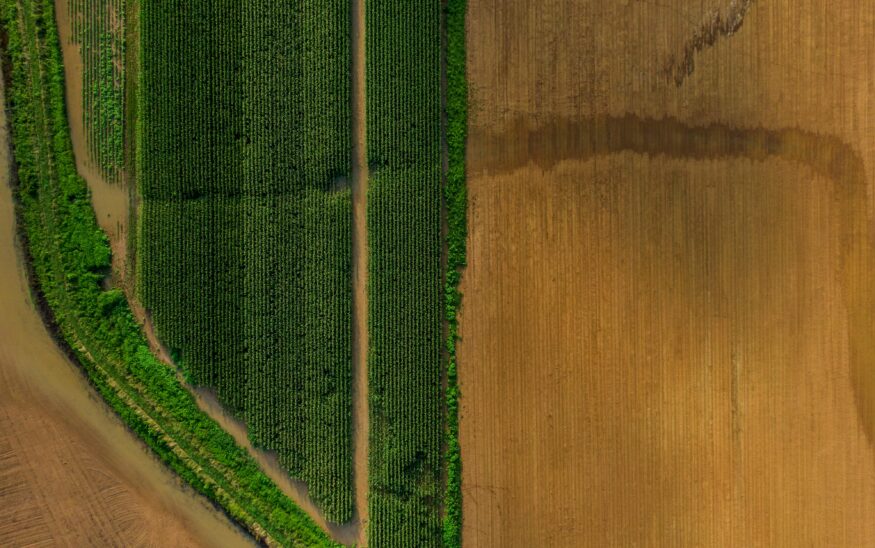
Fondomonte Arizona continues to face legal action from the state for allegedly excessive groundwater pumping in the Ranegras Plain Basin in La Paz County.
But in January, the Arizona Department of Water Resources’ director formed an active management area in the basin, kickstarting the process for the agency to assess and regulate groundwater use.
Fondomonte maintains the task of regulating the company’s groundwater use is best left to ADWR and asked the court to stay the lawsuit to allow the agency to complete its review and management plan.
The attorney general argues ongoing litigation remains critical to address specific harms to nearby residents, to create an abatement fund and to assess the legality of Fondomonte’s groundwater pumping, which could determine whether the company qualifies for a grandfathered right.
Maricopa County Superior Judge Scott Minder heard arguments from attorneys on March 25 and plans to issue a ruling on whether to halt the case or let it proceed alongside the AMA.
Riley Snow, attorney for Fondomonte, started by claiming ADWR is now working to remedy gaps in groundwater regulation, leaving no gap for the court to fill.
“The state asked this court to act because, essentially, the Legislature had not,” Snow said. “Today, that justification is gone.”
He clarified the argument is not about whether the court can hear the case, but more so about whether it should in light of ADWR’s work on the AMA.
“The question for the court is not whether it can adjudicate this case. It certainly has the ability and jurisdiction to do so, but it’s whether it should exercise its discretion to hear this case when the relief requested falls squarely within the specialized competence of ADWR,” Snow said.
Snow argued running the lawsuit and the AMA concurrently could prove redundant and ultimately culminate in conflicting restrictions for the company.
He noted that both the court and the agency would work to define excessive groundwater pumping and would have to do so by relying on expertise and myriad studies over the 900-square-mile basin.
“We can essentially avoid duplication of effort. We can avoid duplication of experts, and allow the agency to do what the Legislature intended it to do, which is to step in and regulate groundwater,” Snow said.
Minder asked how extensively ADWR would assess Fondomonte’s past practices as opposed to looking to the future.
“What is going to give us information that we need to determine whether there’s liability for the past?” Minder said.
Snow said the company planned to file for a grandfathered right, at which point it could contend with legal objections to its groundwater practices in an initial hearing and then on appeal at the Superior Court. And he added the process would ultimately determine whether Fondomonte’s groundwater pumping is legal.
Clinten Garrett, attorney for the state, started by reiterating the harms alleged in the initial complaint.
“It must be taken as true at this stage that Fondamonte is single handedly extracting more groundwater from the Ranegras Basin than all other water users combined,” Garrett said. “This is having a catastrophic impact on the basin community, including by causing wells to go dry and causing land subsidence that’s threatening water quality.”
He continued, “These harms are accelerating and becoming irreversible.”
Garrett claimed the ADWR is planning to reduce overdraft by 50% over 50 years, not looking to address Fondomonte’s responsibilities for harms or their specific water usage.
He told the court, contrary to claims by Snow, that if the case is stayed, the state will have no insight into the legality of the groundwater pumping. Generally, litigation and regulation play separate roles.
“This court would be looking at whether Fondomonte is causing a public nuisance that’s harming the health and safety of the neighboring community,” Garrett said. “(A)DWR is striking its action at trying to incrementally protect the basin over an extended time. So as you play this out, there’s no real, legally meaningful conflict in any event.”
In response, Snow maintains the AMA process is “extremely individualized” and would result in a legality finding.
He further argued that the court would “never” reach the legality issue but would instead address the “reasonability” of water use.
Minder took the matter under advisement.