Sign In


 Free Newsletter

Keep education at the center of Arizona’s workforce future
By Rich Nickel and Ricardo Lopez Valencia//September 3, 2026//

Deposit Photos
Keep education at the center of Arizona’s workforce future
By Rich Nickel and Ricardo Lopez Valencia//September 3, 2026//


Arizona is in the midst of a remarkable economic transition. New employers are arriving, existing industries are expanding, and the demand for skilled talent is reshaping communities across the state. That growth should be a source of optimism. But it will only translate into broader opportunity and shared prosperity if more Arizonans are empowered to participate.
That is why education must remain at the center of Arizona’s workforce conversation.
A strong economy does not happen by accident. It depends on strong schools, accessible colleges and training programs, clear pathways, and adults who continue learning to keep pace with the changing labor market. When education systems are disconnected from workforce needs and talent creation efforts, students and families face harder choices, employers struggle to find talent, and the state falls short of its full potential.
The point is not to reduce education to workforce development. It is to recognize that the two are inseparable if Arizona wants to create broad-based opportunity for its residents and communities. Education gives people the knowledge, skills, and credentials they need. Good jobs actualize the promise of those credentials and provide people with income and economic mobility. Together, they shape quality of life.
That connection matters because opportunity in Arizona should not be reserved for those who already have access, connections, or resources. If we want more Arizonans to share in the state’s growth, we must do a better job of connecting education to the emerging careers here. That means strengthening pathways from K–12 to postsecondary education, from postsecondary education to training, and from training to work.
It also means being clear about what success looks like. Success is not only whether someone earns a degree or certificate. It is whether that learning leads to a stable job, a livable wage, and a stronger future for that person, their family, and their community. Employers will continue to seek talent wherever they can find it. Arizona’s responsibility is to make sure more of that talent originates here.
That is the core message of our five-part Education-to-Workforce Whitepaper Series, which examines Arizona’s education-to-workforce landscape and identifies practical ways to strengthen alignment, clarify roles, support regional innovation, and expand opportunity across the state. The series shows that Arizona already has committed leaders, established institutions, useful data, and strong local and regional partnerships. But it also shows that these systems still often operate independently, with minimal formal coordination and different measures of success.
Arizona already has a clear public objective in the form of the Achieve60AZ attainment goal, which calls for 60 percent of Arizona adults, ages 25 to 64, to hold a certificate, license, or degree by 2030. That goal reflects a simple yet powerful statewide consensus: if Arizona wants a stronger economy and a higher quality of life, it must help more residents gain the education and training that lead to opportunity.
Arizona does not need to choose between education and workforce development. It needs to connect them more intentionally.
That means making sure statewide goals are grounded in student success, regional capacity, and practical pathways. It means ensuring colleges, universities, K–12 systems, workforce agencies, employers, and community partners work from a common understanding of what Arizona residents need to thrive. And it means using data not just to describe the problem, but to guide action.
Our whitepaper series also reinforces a broader truth: the value of education is not limited to credential acquisition alone. Education matters because it helps people build stable and fulfilling lives, strengthen their communities, and participate in Arizona’s economic future. But credentials achieve their full value when they connect to opportunity. That is why the state must continue to align education, workforce, and economic development around a shared goal of improved quality of life for all Arizonans.
This is about ensuring that education fulfills its promise for individuals and the state. Arizona’s future depends on more than jobs. It depends on whether more Arizonans can access the education, support, and pathways that allow them to thrive in those jobs and in the lives they want to build.
Keeping education at the center of our workforce and talent creation conversations is how we get there.
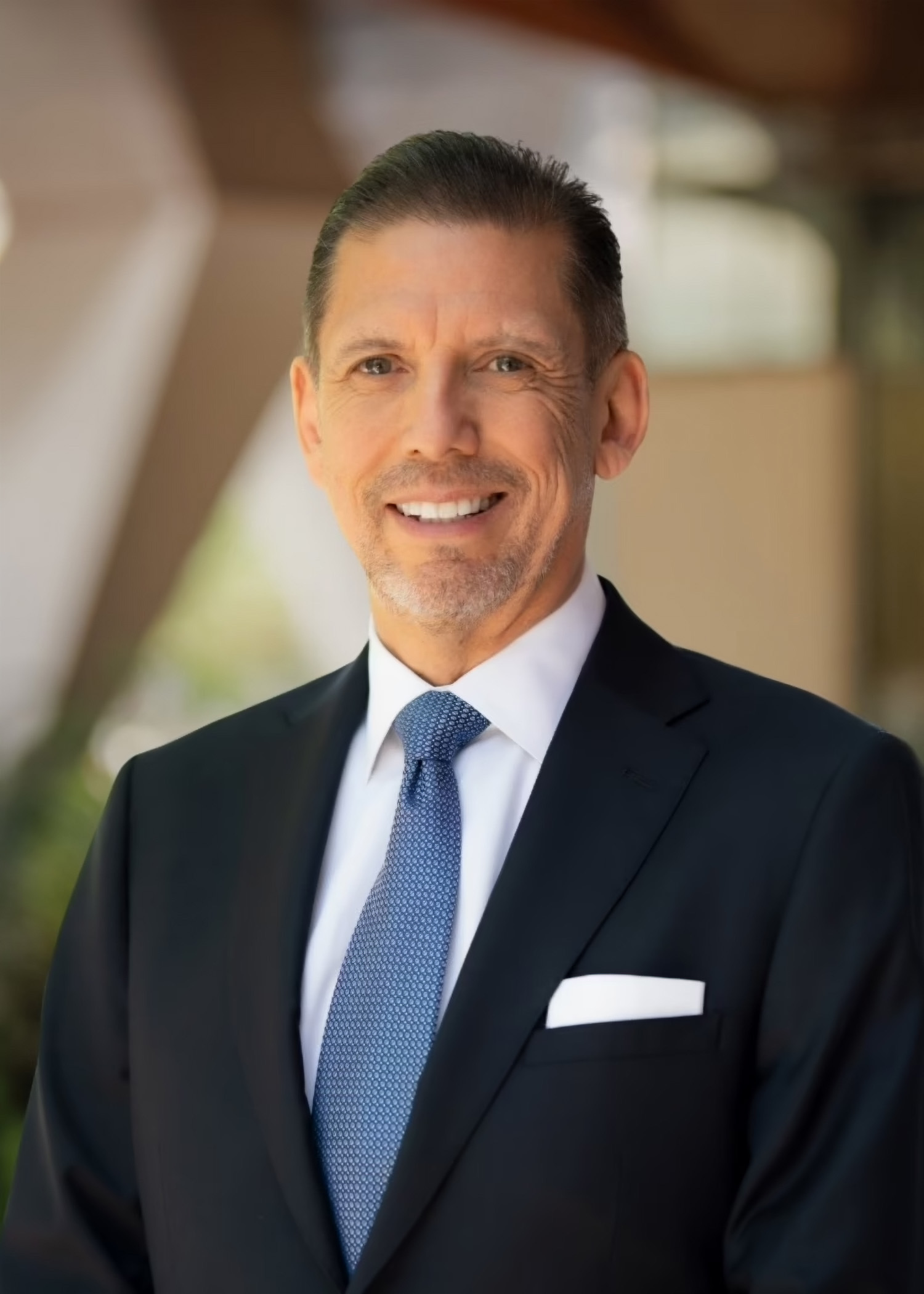
Rich Nickel is President and CEO, and Ricardo Lopez Valencia is Senior Vice President of Education and Workforce Alignment of Education Forward Arizona.