Sign In
Upcoming Event
 Free Newsletter

Reynolds Consumer Products to redesign recycling bags after Arizona consumer fraud settlement
Howard Fischer, Capitol Media Services//February 23, 2026//
(Robert So / Pexels)
Reynolds Consumer Products to redesign recycling bags after Arizona consumer fraud settlement
Howard Fischer, Capitol Media Services//February 23, 2026//


Key Points:
-
Reynolds Consumer Products settles consumer fraud lawsuit with Arizona state
-
Company agrees to remove “recyclable” claims from its large plastic bags’ packaging
-
Reynolds will use a blue background on its packaging instead of green, and place new warning label
A major manufacturer of large plastic bags has agreed to redesign its boxes to resolve a consumer fraud lawsuit filed by the state of Arizona.
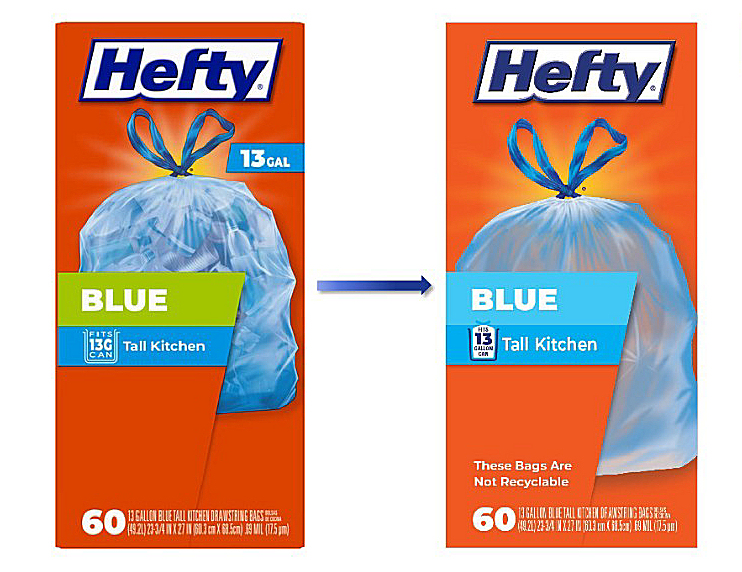
In the first settlement of its kind in the nation, Reynolds Consumer Products will remove any references from its boxes that its bags are “recyclable.” In fact, the design the company has agreed to use will have, right on the front, “these bags are not recyclable.”
The company also has agreed to pay a $157,000 fine to the Attorney General’s Office and to pay $25,000 in legal fees.
Reynolds has also set aside $30,000 for restitution to consumers who bought the bags only to find that their communities did not accept them for recycling. Those interested must apply for the funds by filing a complaint with the Attorney General’s Office before Oct. 1, 2026.
It’s not unusual for Attorney General Kris Mayes to file lawsuits against companies she believes are practicing misleading advertising. These usually lead to a company agreeing to pay a fine and to change how it promotes its products or services.
What makes this lawsuit unique is Reynolds’ agreement to modify the boxes it uses to sell its large blue and clear plastic bags to warn that, despite the product’s appearance and the company’s prior claims, the product is not recyclable.
It also requires Reynolds to stop using a picture of one of its bags filled with recyclable cans.
Mayes, in filing suit, said that image — even without an actual claim the bags are recyclable — leads to an inference that they are.
“It’s all wrapped up and it’s closed up,” Mayes said. “And that suggests that the person could just toss that thing into the recycling bin when, in fact, you can’t and you shouldn’t because doing so messes with the recycling machine at the city.”
Now, only empty bags will be displayed.
And there’s one other change to which Reynolds has agreed: It will use a blue background behind some of the wording rather than green, a color generally linked to environmental benefits.
All that, according to the settlement, will cost the company at least $80,000 and take about 18 months to roll out nationwide. And Reynolds has agreed to use the redesigned box “until the bags are accepted for recycling at a substantial majority of the recycling facilities within the state of Arizona.”
But the deal, in which the company admits no wrongdoing, also does not require Reynolds to recall or remove any of the existing boxes from shelves.
The lawsuit stems from years of how Reynolds marketed the bags, including years where it actually labeled them as “recycling bags.” Mayes said that was deceptive because it induced environmentally conscious Arizonans to purchase them.
That wasn’t all. She said some people believed what the company was telling them who bought and used the bags — bags that ended up causing problems when they became entangled in the equipment used to sort recyclables, shutting down the facility.
“Arizonans believed they were doing the right thing buying these bags, and they paid a premium for these so-called recycling bags when, in fact, they were paying for something that harmed our ability to recycle,” Mayes told Capitol Media Services when she filed the lawsuit last year.
She said any plastic that is not manually removed from recycled materials before it goes into sorting gets “entangled in the sorting equipment, forcing the material recovery facility to shut down,” Mayes said. She said one firm in Phoenix has to shut downs several times a day to disentangle plastic bags, “costing the city hundreds of thousands of dollars annually, and endangering the workers who must do the disentanglements.”
While Reynolds admits no wrongdoing, the settlement allows the state to reopen the case if the company fails to live up to its terms.