Sign In


Upcoming Event
 Free Newsletter

Steve Montenegro reflects on compromises, victories and unfinished business
Jakob Thorington, Arizona Capitol Times//July 11, 2026//
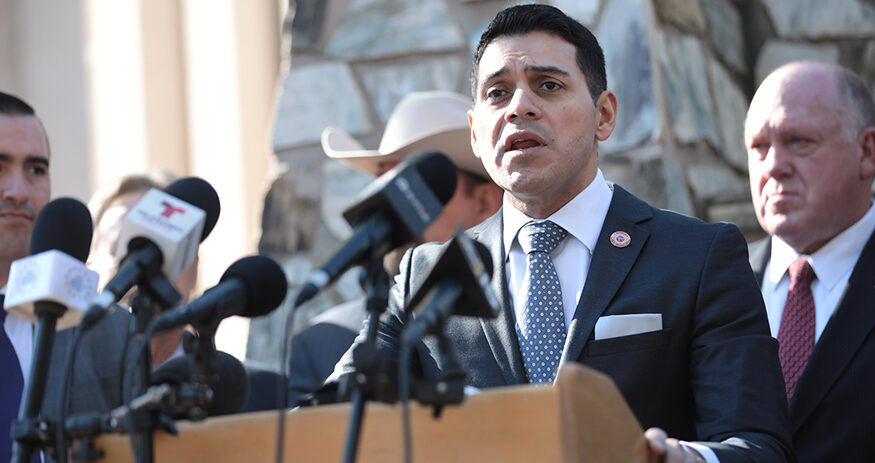
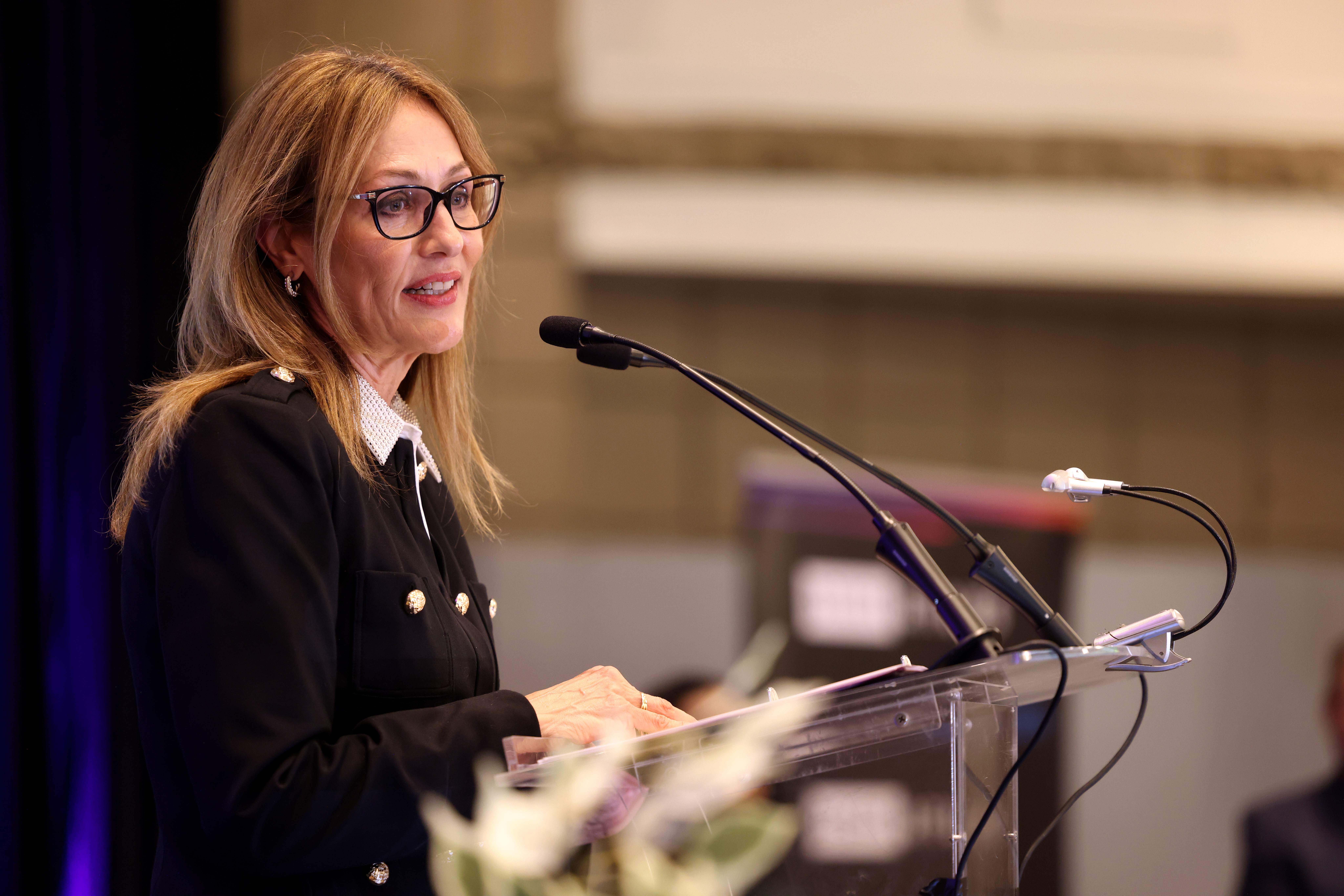
State Representative Steve Montenegro speaks with the media at a press conference hosted by Border 911 at the Arizona State Capitol building in Phoenix on Jan. 27, 2023. (Photo by Gage Skidmore).
Steve Montenegro reflects on compromises, victories and unfinished business
Jakob Thorington, Arizona Capitol Times//July 11, 2026//


In his second year as Arizona’s House speaker, Rep. Steve Montenegro, R-Goodyear, helped lead a bipartisan budget deal that includes President Donald Trump’s tax cuts and passed the Legislature with a supermajority of votes. In a recent interview with the Arizona Capitol Times, Montenegro discussed the recent legislative session and reflected on this year’s activities from lawmakers.
The questions and answers have been edited lightly for style and clarity.
Are you happy with the way this session has turned out?
Very happy. Everything we set out to do at the beginning of the session without our majority plan and with our members, we were able to accomplish. It took a lot of hard work.
How significant is it to get full tax conformity with the state budget?
You could take a look at both sides of the aisle. Everybody was at least willing to say it’s a good thing to have these tax cuts for Arizona. The center stage for the session became how can we deliver affordability to Arizonans and we set out as a Republican caucus to zero in on affordability by bringing back more hard-earned tax dollars to Arizonans. We wanted to deliver the full tax cuts afforded to us, given to us in that Big Beautiful Bill, House Resolution 1, and even the Democrats called it the Middle Class Tax Cuts.
There were some other big budget wins for Republicans on cutting unfilled government jobs and social benefit requirements for healthcare and food assistance, right? Tell me about those.
This was the underappreciated conversation in the whole budget process. Part of delivering affordability and having good financial stability in the state is making sure those dollars that are coming from taxpayers are wisely spent and they’re used for the purposes that Arizonans intended for them. We placed some reforms in there that dramatically reduce fraud, waste and abuse, including semiannual redetermination checks and removing self-attestation from the process. We’re not going to take just anybody’s word when we know this area has wasteful spending. That way, Arizonans tax dollars are being used to help people who need it — children, the elderly, the vulnerable — we have to make sure they are the priority for those programs.
Is Arizona more affordable as a result of the actions of this Legislature?
As a result of the actions of Republicans. If you look at the type of legislation that Democrats introduced, it was taking more money from Arizona to try to put together programs that they said would help Arizona. The governor wanted to raise fees and taxes by $655 million. Their vision is to have the government be the referee of how affordability works. Republicans said no. We want to cut government spending, reduce the tax burden on Arizonans and deliver more money back to their pockets.
Democrats have criticized Republicans on sine die night for attempting to kill the Empowerment Scholarship Account reform citizens’ initiative by advancing House Concurrent Resolution 2048 to voters’ ballots this November. Tell me why that measure, which intends to protect military families’ access to private school vouchers, was important for Republicans to take up on the final day of session?
We’ve drawn a line in the sand saying we’re going to protect parents and kids’ education. Giving parents school choice and allowing them to be the ones making a decision is non-negotiable. They know what’s best for their own child and government needs to get out of the way and let parents be the ones who make those decisions. We want to make sure ESAs survive in Arizona for the long run. If you look at the deal Democrats sought for a special session, it’s the exact same thing they said no to on sine die night. They have to own that their ESA measure is careless and dangerous because it targets every family in Arizona, including vulnerable families, families with special needs, and military families. What we wanted to do was prevent that measure from going up and we provided them an opportunity to agree on a measure, but they said no. So we sent the military families referral up because we wanted to try and help some families if their awful measure makes it through. Then they throw it back against us and say we’re using military families. Are you kidding me?
What message do you have to Arizonans about our water situation and the sustainability of our state for the generations to come as we face potential Colorado River cuts?
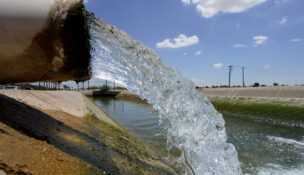
There is no question about how important water is and how much we’re going to fight for Arizona’s interests. We are prepared to make our case if we need to in court. We are prepared to go to war for Arizona and we’re going to win. We want Arizonans to know that we’re going to be OK. The lower basin states, which includes Arizona, provide 75% of the economic activity and we use the least amount of water. Arizona has been the gold standard for conservation of water. The upper basin states have not done their part. They’re looking to penalize us for something they have not been able to do and we’re not just going to let that happen.
What’s been the biggest challenge operating under a divided government?
It’s the noise of political bickering. There’s different visions for Arizona and I think sometimes the noise prevents us from actually presenting vision. There’s a lot of individuals who claim to know and just say things, but it creates noise and mud and confusion. Truth always rises to the top, so you just have to stay the course and ground yourself in truth. Arizonans are smart and we are unique. We are the original Wild West, so I trust Arizonans to cut through that noise.
As the United States turns 250, what is the one piece of unfinished work we must finish by its 300th birthday — and what part of it is Arizona’s to take on, from where you sit?
As a nation, there are some serious questions we have to answer for ourselves regarding our energy situation and how we are going to produce for the future. Arizona could be a huge part of that. If we start looking at some things we can do to produce energy, small module reactors and geothermal — Arizona could have a global impact.
What was your most fun moment of the session?
The super cage. We were able to put together a process to work through our budget, and that ended up being dubbed as the super cage. The budget process was more collaborative this session and we brought in more people to the table from our caucus and our Appropriations Committee’s ideas became central. With the Senate, we produced a framework that’s sound, inclusive and considers different sectors of the economy and Arizona families — and the governor agreed.
Most disappointing?
I’m a school choice guy, but not being able to cross that finish line with a bill that protects parents and kids was disappointing to me. Now we’re going to be able to save ESAs with the ballot referral, but not being able to cross that finish line earlier was the most disappointing part of session for me.
Final thoughts?
We trust Arizonans. What is Arizona going to look like in the next two to four years? Will it be like California and New York? Or will it be like Arizona with that innovative vision of being the master of your own destiny. That’s what the original West represents and we trust Arizona to continue that vision.