Sign In


 Free Newsletter

Childhood homelessness is rampant in Arizona
By Brandon E. Dale//August 25, 2026//
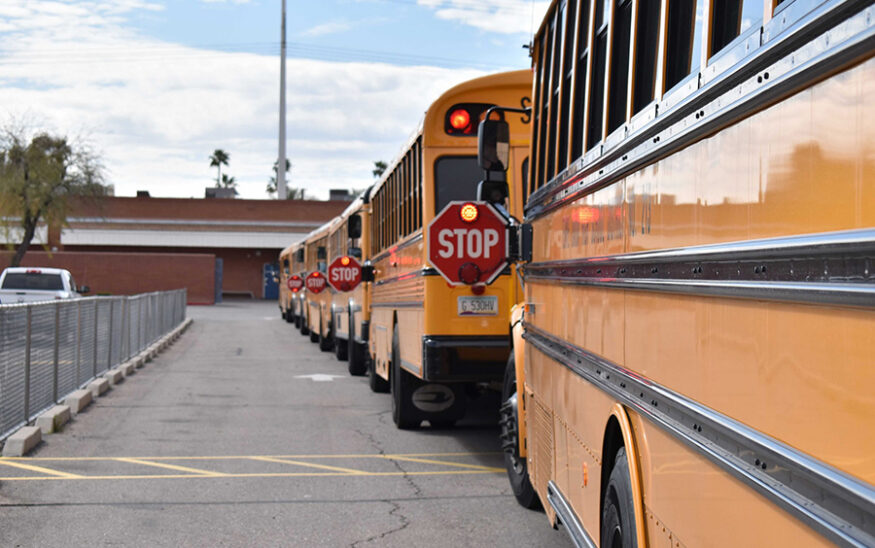
Buses line up outside Tempe High School in this 2021 photo. (File photo by Kelly Richmond/Cronkite News)
Childhood homelessness is rampant in Arizona
By Brandon E. Dale//August 25, 2026//



Across Arizona, families are taking part in the familiar rituals of a new school year. They are buying notebooks, finding the right shoes, and helping children adjust to new classrooms and routines. For many children, this can be an exciting time for growth and development.
Yet over 25,000 children will also experience homelessness this school year.
Childhood homelessness is not always easy to see. It rarely resembles the image many of us associate with homelessness. Children are not sleeping on a sidewalk with a blanket or
camping under an overpass. Children often move in with relatives, couch surf between friends’ homes, stay in motel rooms, or sleep in cars while their parents work hard to preserve some sense of normalcy.
These families are part of our community. Their children attend our schools, play on our playgrounds, and deserve the same stability and security as their peers. Yet because their housing situation often remains hidden, they can also be overlooked in public data and the decisions informed by that data.
Each January, communities across Arizona participate in the federally required Point-in-Time count, commonly called the PIT count. It provides a one-night snapshot of people experiencing homelessness. The data helps communities identify trends, understand shelter needs, and plan services. It is the most commonly utilized data point when discussing homelessness.
Arizona’s 2025 PIT data cited 2,921 people aged 0 to 24 experiencing homelessness. During the same year the Arizona Department of Education identified 26,840 K–12 students experiencing homelessness statewide, about one in every 50 students, according to McKinney-Vento data. That’s nearly 10 times as many than is commonly reported.
They measure different circumstances over different periods of time. The PIT count provides a snapshot from one night. Schools identify students throughout the academic year using the McKinney-Vento definition of homelessness, which includes children whose families are doubled up with others or staying in motels because they have nowhere else to go.
This vast difference is a bright, flashing warning that the data most familiar to the public and decision-makers leaves a vast population of children outside the frame.
Both sources of information are valuable. But together, they give us a more complete understanding of what Arizona families are experiencing.
That fuller picture can help us make thoughtful decisions about where resources are needed most. When children experiencing housing instability are not fully reflected in the numbers most often discussed, communities may underestimate the need for homelessness prevention, family shelter, rapid rehousing, and other services.
The need is especially concerning among very young children, who may not yet be connected to schools. National findings showed a 23% increase in homelessness among infants and toddlers between 2021 and 2023 and estimated that approximately 5,700 infants and toddlers in Arizona were experiencing homelessness.
At A New Leaf, we often meet these families when their temporary solutions have run out. We serve mothers and children fleeing domestic violence. Single parents who were evicted after falling behind on rent. Senior citizens on a fixed income, unable to meet the financial demands of caring for their grandkids.
To help, A New Leaf offers homeless shelters, domestic violence shelters, transitional housing, affordable housing communities, and support services across the Valley. We serve these children every day. As a result, we also see a profound gap between public discourse and the reality of childhood homelessness.
To bridge this gap, Arizona should act in three ways.
First, put school homelessness data into every serious policy briefing. State agencies, lawmakers, cities, counties, Continuums of Care, and philanthropic funders should consider McKinney-Vento data alongside PIT counts, shelter use, eviction trends, and year-round service data.
Second, align funding with the combined evidence. State and local plans should size investments in prevention, flexible assistance, family shelter, rapid rehousing and affordable housing to the families visible in school data, not wait until those families become visible on the street. Funding should follow the need, not the narrowest measure of it.
Third, we should treat schools as essential early-warning partners. Schools already identify and support students experiencing homelessness through trained liaisons and enrollment processes. (Congress.gov) We should ensure that identification by a school of an at-risk child should trigger not only educational support, but a faster path to housing stability.
Prevention assistance can keep an eviction from becoming homelessness. A timely shelter connection can prevent a night in a vehicle. Rapid rehousing can shorten the crisis. And importantly, support services help parents find employment, secure housing, and achieve lasting independence. The earlier we know a family is facing hardship, the more options they have to resolve it.
Back-to-school season is when we’re supposed to be thinking about children’s futures. Let’s start by making sure they have the one thing every future depends on: a safe place to sleep.
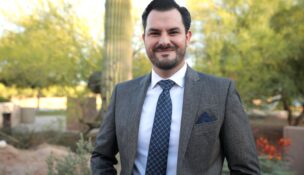
Brandon E. Dale is CEO of A New Leaf.