
Please ensure Javascript is enabled for purposes of website accessibility

Diane Brown: Promoting pragmatism over partisanship with PIRG

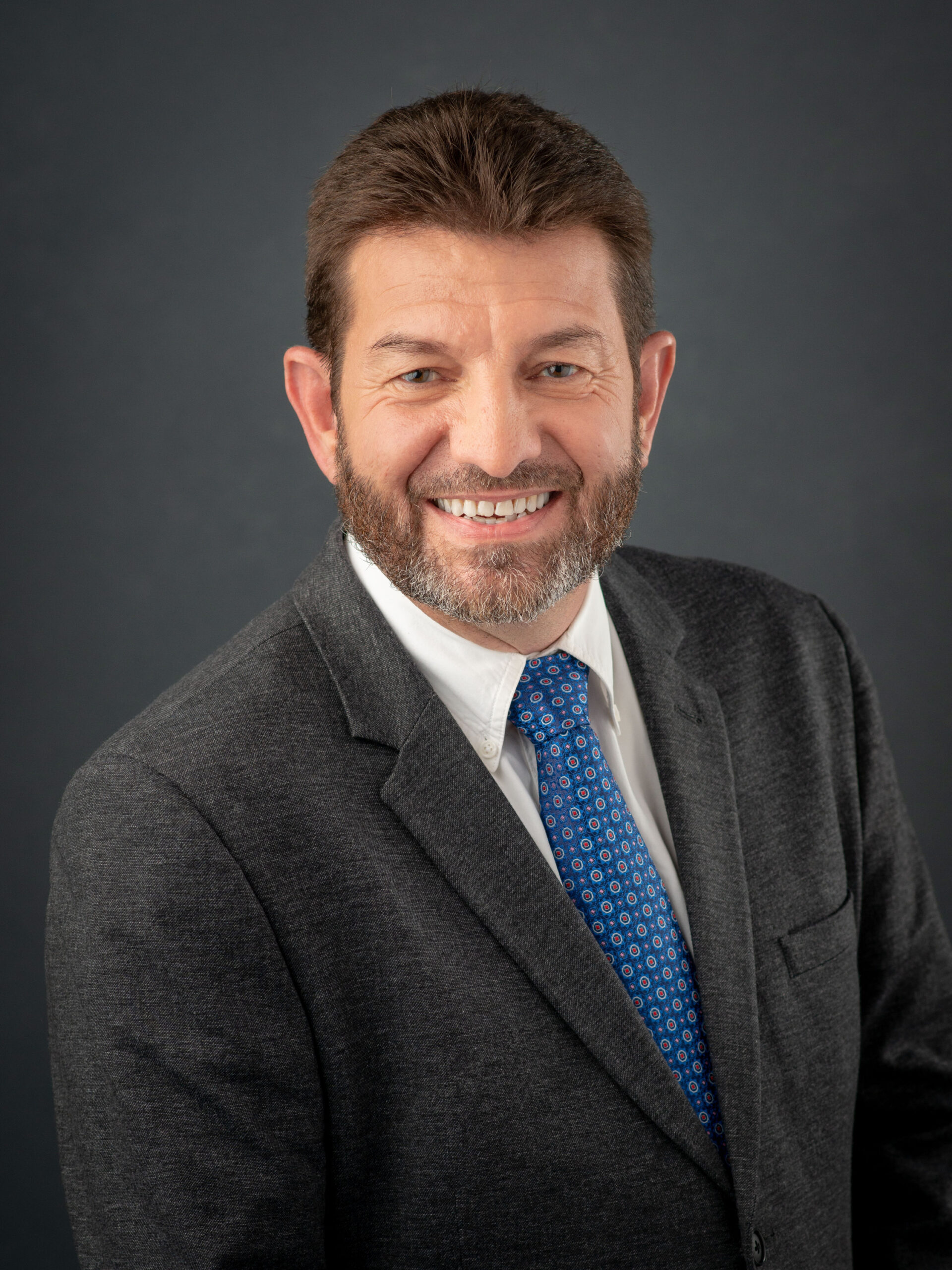
Diane Brown has spent the past four decades advocating for consumers with the Public Interest Research Group. Twenty of those years have been spent in the Grand Canyon state, where she serves as the executive director of the Arizona Public Interest Research Group. Brown sat down with the Arizona Capitol Times to chat about her pragmatic approach to policymaking and focus on energy issues. 

The questions and answers have been edited lightly for style and clarity.

Can you tell me about your career journey and how you got to Arizona PIRG?

In large part, I would say my upbringing had an influence on the path that led me to PIRG. My mom had been extremely active in my school, our church, our community, and she paid a lot of attention to state and national issues. My dad and a couple of his colleagues built and expanded an accounting firm. I think both the experiences and the responsibilities they had helped me to see the importance of doing something that you enjoy every day and being part of a community. I was involved in a lot of activities throughout school and during graduate school. PIRG was doing a massive voter registration drive, particularly geared at college students and first-time voters. And I really appreciated the focus on giving people facts and information and not hounding them on a particular position or for a particular candidate. 

How long have you been at PIRG?

Over 40 years. I started working on college campuses, helping train students to take an idea and move it along the policy process, overseeing internships and in the summertime, running door-to-door canvasses to help engage citizens on issues in the public interest. I had the opportunity to return to Chicago, where I’m from, after several years on the East Coast. I directed our Illinois offices for about 15 years, where I got into policy at a much greater scale, and also had the privilege of overseeing a lot of our offices in the Midwest, from Indiana to Missouri and points in between. And then came to Arizona a little over 20 years ago to start up Arizona PIRG, which I really enjoyed.

What does Arizona PIRG do?

Arizona PIRG is a statewide organization that conducts research, education and advocacy on issues in the public interest, with a focus on protecting consumers. To us, public interest is the greatest good for the greatest number of people over the longest period of time, and we think of ourselves as pretty unique in Arizona in that we’re the only organization we’re aware of that advocates on behalf of all consumers and not just a segment of the population. There are great organizations that focus on low income, on children, on seniors, and we really kind of span that. And so whether you are a resident in Yuma or a business in Paradise Valley, we want to make sure that you’re not getting ripped off.

What is the most rewarding part of your job?

The most rewarding (part) is having conversations with an individual or a set of individuals to find common ground and determine a path forward working together. PIRG really espouses the “no permanent friends, no permanent enemies” philosophy and there are a number of instances where we’ve been able to agree on a policy recommendation with an entity that we don’t see eye to eye with on anything else. And vice versa. There are organizations that we often are aligned on a particular policy, but we don’t always agree. To me, it’s extremely rewarding to hear from other perspectives, to absorb information, look at statistics and data trends, but at the end of the day, find a way to ensure that there are good, pragmatic policies that can withstand the politics.

What is the most challenging part of your job?
The most challenging has been this devolution of partisan politics. Too often we see rhetoric over reality and the politics playing a role more than the policy itself should. In a number of individual conversations, we can find common ground with very different perspectives from different political parties, perhaps for different reasons, but at the end of the day, oftentimes there are votes that align with that political party versus with what that individual will often tell us they’d like to see happen.

You’ve been with PIRG for so long. What keeps you coming back year after year?

With PIRG, I’ve had an opportunity to be responsible in a variety of different facets of the organization. No two days are alike. It is extremely rewarding to see progress being made. To us, progress doesn’t always mean a bill is getting signed or a monumental executive order has been authored, but it is seeing more people getting engaged in the political process, more people understanding the roles that the municipalities, the counties, the state, different agencies play, and paying more attention to those as a result having policymakers that then pay attention in a more significant manner to their constituents.

Looking back, can you tell me about a win from your career you still think about?

Arizona has a very successful energy efficiency standard. The energy efficiency standard that was adopted by the (Arizona Corporation) Commission has resulted in a net benefit of billions of dollars in our state, has not only reduced energy, but it’s also reduced water consumption. It has avoided the need for additional power plants that, in many instances, have created more pollution, adverse public health impacts, and it is a program that really can benefit both the ratepayer who takes advantage of a program, but also all ratepayers due to the alleviation of the need to spend more money on costly capital infrastructure.

Why does Arizona PIRG focus on the ACC?

When I first came to Arizona, it was really important to me, to not just jump into the first issue that I read in the newspaper, but to really get out there and talk to a wide variety of individuals. So after hundreds of meetings with nonprofit leaders, business leaders, elected officials from both sides of the aisle, members of the media, folks in the philanthropy community, we landed on working on energy issues at the Arizona Corporation Commission as our dominant focal point for those initial years. As anyone reading the Capitol Times knows, energy has not gone away from being a big, important issue. Many could argue it’s even more important today than it was 20 years ago, and therefore a significant part of my time is focused on energy issues, not just with the commission, but I’m also part of utility stakeholder groups for APS, SRP, TEP and UNS, bringing a consumer perspective from customer communication to resource planning decisions.

What do you wish consumers knew about the ACC?

Over the course of the last six months or so, we’ve had a team of folks that have gone across the state to talk to individuals one-on-one, as well as conduct community town halls, along with RUCO and Wildfire, and in those forums, have really tried to help people understand what the commission is, what the components of a rate case are, and how they can get involved. And across the board, it’s been really interesting to hear from folks based on their utility bill, whether it’s UNS, APS or TEP, and the questions that they have for policymakers when it comes to how they assess the decisions before them. If we ensure all consumers in the state have that information, I think we’d find that even more individuals and households would weigh in, not only on rate cases, but on other policy decisions that impact them and their bank accounts.
Clean energy majority takes over SRP board, Turning Point falls short

Key Points:
  • A clean energy slate of candidates will control the Salt River Project board
  • Turning Point-backed candidates fell short despite massive investments
  • The results could foreshadow the outcome of November contests in the state 

Turning Point fell short of preventing a “clean energy” majority on the Salt River Project power board, signaling a rebuke of the conservative group and an increase in voter interest in energy issues. 

The clean energy contingent now has an eight to six majority on SRP’s Agricultural Improvement and Power District board, which oversees energy policy and customer rates. Turning Point Action launched an unprecedented localized campaign to prevent a clean energy majority on the board, but only managed to hold on to the board’s president and vice president seats and two of the seven other board seats up for grabs this year. 

In posts on X, Turning Point executives declared victory despite falling short of their original goal.

“Democrats had told donors this was the inevitable year they would win President and Vice President of SRP and control the agenda. They failed massively with a huge turnout,” Tyler Bowyer stated. “Ballot chasing works!”

But political consultants and energy experts say the results show voters are becoming disillusioned with both the Turning Point brand and the federal government’s energy policy agenda. 

“Turning Point made this election about them,” said independent consultant Chuck Coughlin. “It is a very poor time to be associated with the president with his poll numbers where they are, and they became the turnout mechanism.”

The normally-quiet utility race was dominated by Turning Point’s get-out-the-vote efforts, which began in the summer of 2025, and its seemingly endless resources. A political action committee formed by local construction executive Jimmy Lindblom to support conservative energy candidates even admitted defeat. 

“First, we congratulate Chris Dobson and Barry Paceley on their victories for President and Vice President,” Lindblom said in a statement. “While we are encouraged by their leadership, we are disappointed by the results in several other board races.”

As president, Dobson will set the board’s agenda, but his vote will still be part of the minority. Paceley will be a non-voting member as vice president and will primarily serve to fill in for Dobson in the case of any absences. 

Autumn Johnson, the executive director of the Arizona Solar Energy Industries Association, noted that Dobson isn’t exactly known in the energy space as an anti-Green New Deal extremist.

“(Turning Point is) acting like a Donald Trump person won … (Dobson) is a moderate, he has developed wind projects on his own land, he spoke at my solar conference two years ago,” Johnson said. “The guy is not like a fringe, right-wing guy.”

Johnson said Turning Point spent too much time and energy on the president, vice president and at-large board seats, while the clean candidates devoted their efforts to the acreage seats in voting areas 4, 6 and 8. Coughlin said that the Turning Point candidates had the right messaging, but it was overshadowed by their association with the group. 

“Parts of the SRP campaign were super good, affordability, reliability, cost of power. They had solid messaging all around the deck,” Coughlin said. “But it didn’t matter, because Turning Point became the issue, and that turned out gobs of people who have never voted in an SRP election ever.”

SRP is a nonprofit subdivision of the state that provides water and power to more than 2 million people throughout the Valley, from Chandler and Scottsdale to Goodyear and Peoria. While the state’s other major utilities are regulated by the Arizona Corporation Commission, SRP is regulated by a board made up of landowners within its service territory — many of whom are descendants of the farmers and ranchers who put up their land as collateral to ensure the construction of the Roosevelt Dam in the 1900s. 

SRP elections are uniquely arcane, thanks to a voting system created before Arizona was granted statehood, meaning only around 40,000 of the utility’s 2 million customers can weigh in on its leadership. The utility is regulated by two organizations, the Salt River Valley Water Users’ Association and the Salt River Project Agricultural Improvement and Power District. 

Only landowners can vote in SRP elections and only some of those eligible voters can vote in both association and district elections. Landowners are entitled to a certain number of votes based on acreage, except in the case of the district’s at-large board members who are elected under a one-landowner, one vote system.

Voters elect a president and vice president to oversee both the association and district. Ten board members and 30 council members are elected to oversee the association from SRP’s 10 voting areas, while 14 board members and 30 council members are elected to oversee the district.

Johnson said the April 8 results were “nothing short of miraculous,” as it marks the first time the SRP board has had a pro-renewable energy majority in its over 120 year history. She attributes it to a growing concern over soaring utility bills. 

“This is probably the first election in my lifetime when energy would probably make somebody’s ranking list of the things that they care about,” Johnson said.

Two seats on the state’s other utility oversight board, the ACC, are also up for grabs this year. Johnson said the SRP results should put those candidates — four on the Republican side, including two incumbents, and two on the Democratic side — on notice. 

But it should also serve as a reflection of “pent-up angst” that voters seem especially willing to take out on Republican candidates, not just in Arizona but across the country, Coughlin said. 

The SRP results could foreshadow the results of contests set to take place in November. 

“People waiting two and a half hours in line to vote for a utility governance board should make people pretty concerned about the amount of fervor that’s going to be around the November election,” Johnson said.

The facts about SRP and data centers

Jim Pratt

The only thing bigger than the data center boom is the confusion about whether data center growth impacts reliability and affordability for SRP’s residential customers. Given the ongoing conversation, I want to use this opportunity to share the facts about data centers in SRP’s service territory. 

As a not-for-profit utility, we take pride in providing what is among the most reliable service in the nation at prices that are on average 18% lower than other major utilities in the state. We don’t have investors, which means our decisions are driven by customer needs, not maximizing profits. SRP is proud of the fact that our customers have ranked us Number One in the country in J.D. Power’s Residential Electric Customer Satisfaction study for 24 consecutive years. 

SRP has been a community-based organization since 1903. Throughout its history, we have worked with cities and towns to help the Valley become the major metropolitan area we call home. Today, local governments determine whether data centers are appropriate for their communities. Like any other customer in our service territory, once a data center secures proper zoning and local city or county approval, SRP will plan and work to serve their electrical needs.

In 2025, data center customers estimated peak demand was 441 MW, which is 5.1% of the highest peak demand total of 8,542 MW, making them a growing but still manageable share of our total electric usage.

To meet SRPs growing electric system demand, we rely on large load customer forecasts and economic forecasts, paired with our own internal expertise and industry best practices, to size infrastructure correctly and plan for future demand. Through SRP’s Integrated System Plan, presented to SRP’s publicly elected Board of Directors, we align generation, transmission and distribution to manage growth while maintaining affordability and reliability. In other words, we take significant steps to keep the lights on and our prices low.

SRP is committed to helping ensure new data centers in our service territory do not raise electric rates for residential customers. Like all large industrial customers, data centers must pay for the infrastructure to serve them, such as upgraded transmission lines, substations and more. This is a long-standing requirement that helps ensure costs to serve new data centers are not shifted to residential customers. 

We recently took additional steps to further protect residential customers from cost shifts associated with adding new large load customers: 

  • Large Customer Integration Process (LCIP): Introduced in 2025, this process requires a new type of study to identify new infrastructure and other system upgrades required to serve new large load customers such as data centers. SRP gives these proposed customers cost estimates for their specific upgrades. The customer must pay these costs upfront, so they are not paid by other SRP customers. This process also helps make sure only viable projects move forward.

  • Updated E‑67 Price Plan: Approved by SRP’s Board of Directors during our 2025 pricing process, this new price plan requires customers with at least 20 MW of forecasted load to meet minimum billing requirements tied to either their actual use or 80% of their forecasted demand in addition to dedicated transmission and substations. This helps prevent us from overbuilding generation and creating costly stranded power infrastructure.

There is also considerable discussion regarding data centers and their water use. SRP does not control how much water data centers use. SRP provides raw water to municipalities, not directly to data centers. Local governments, like cities and counties, set water‑use requirements and may require high‑intensity industrial users to secure independent supplies. 

The Phoenix area attracts data centers largely because of favorable tax incentives, minimal natural disasters, abundant fiber‑optic infrastructure, available land, and access to reliable, cost‑effective electricity. These market and policy factors — not utility decisions — drive data center growth.

SRP will continue to be a trusted economic partner in our communities, meeting the electric needs of large load customers like data centers while keeping the lights on and SRP electric rates low for our residential customers.

Jim Pratt is general manager and chief executive officer of SRP.

Powering Arizona’s economy takes foresight and investment

Jimmy Lindblom

Everywhere you look, you can see Arizona’s incredible growth happening in real time. But what we don’t always stop to fully appreciate is that beyond growing in population, we’ve completely transformed our economy along the way.

Once looked down on as a “flyover state,” Arizona has become the place to be for the biggest industries in our economy, from advanced manufacturing to high-tech startups.

We are now internationally recognized as the hub for semiconductors. All this growth isn’t only powering our economy with great jobs; it’s also supporting the onshoring of American manufacturing and bolstering our national security.

This success didn’t just happen by accident. It was the result of intentional policy and strategic investments in infrastructure that allowed Arizona to strike when the iron was hot.

And following the Great Recession, when Arizona was hit harder than almost any other state due to our reliance on homebuilding, our leaders developed an aggressive plan to diversify our economy.

Today, Arizona faces new challenges — and once again, bold action is needed.

Utility providers like APS and SRP now project that Arizona’s electricity demand will double in just six years. That’s the same amount of growth it took more than a century to reach before.

It’s not stopping anytime soon. Nearly 500 manufacturing companies are currently in the pipeline to move or expand in our state, according to the Arizona Commerce Authority. These projects represent jobs, investment, opportunity, and rising quality of life for Arizonans — but only if we’re ready.

Our energy infrastructure must rise to meet this demand. Fortunately, Arizona already has a strong foundation. We’ve built a balanced energy mix: 45% natural gas, 27% nuclear, 8% coal, and 19% renewables as of 2024. This diversity is one reason why our state has experienced no significant blackouts or brownouts, even as demand has climbed. It’s proof that smart energy policy works. You can’t say the same for some of our competitors, like Texas.

We’re also leading the way on renewable energy. Arizona ranks among the top five states in solar-powered generating capacity, with more than 6,100 megawatts installed. In 2024, solar accounted for 82% of all newly approved energy generation capacity statewide — a clear sign we are embracing innovation while maintaining reliability.

But innovation without investment won’t be enough. If we fail to act, our ability to support new businesses, power our communities, and keep utility costs affordable will be at risk.

That’s why we formed Arizonans for Responsible Growth, a coalition of business and community leaders committed to keeping Arizona’s economy strong by advocating for smart, forward-looking investments in our energy and water infrastructure. We believe that preparing for tomorrow means acting today.

Our goal is to identify, recruit, and support candidates who understand the relationship between responsible growth and healthy utilities. Our candidates will support diverse energy sources, data-driven demand projections, and provide the most affordable and reliable power to our residents and businesses.

We felt compelled to form Arizonans for Responsible Growth to push back against an ideological anti-growth contingent pursuing energy policies that have failed in states like California.

Reliable power isn’t a luxury — it’s a necessity. It’s about protecting the Arizona we’ve built and securing the opportunities we want to pass on to future generations.

Arizona’s success story is still being written. With responsible planning and united leadership, we can make sure the next chapter is even brighter than the last. 

Jimmy Lindblom is a native of Arizona. He is a founding member of Arizonans for Responsible Growth and currently serves as Chairman of the Maricopa County Planning and Zoning Commission, Co-Chairman of the Political Affairs Committee for the Arizona Chamber of Commerce, and Vice President of Economic Development & Infrastructure at Willmeng.

Turning Point Action sets sights on SRP board elections in 2026

Key Points:
  • Turning Point Action targets low-key utility board election for 2026
  • Group aims to prevent clean energy candidates from gaining more seats
  • SRP’s election process is complicated, with only land-owning customers eligible

An often overlooked utility board election will get the Turning Point treatment in 2026 with the conservative group now seeking to prevent clean energy candidates from gaining more seats. 

Elections for the Salt River Project’s two boards and two councils are usually quiet affairs. They happen in the spring before larger, headline-grabbing races at the state and national level, and typically go unnoticed by national political organizations. 

Now, however, Turning Point is pouring money and staffing into registering voters for the elections. 

“My goal is to out register the Democrats 10-1 for the (SRP) Election,” Turning Point Chief Operating Officer Tyler Bowyer wrote in a post on X. “We need to get the radical environmentalists out of AZ and prevent them from dramatically increasing our Utility rates.” 

Turning Point leaders did not respond to multiple requests for comment or interviews, but on social media they echoed Bowyer’s sentiments, saying the goal is to rid the SRP board of “Green New Deal extremists” and bring back “freedom-minded leadership.” 

“The Green New Deal means higher bills, fewer choices, and energy policies written by people who’ve never seen a utility bill,” Turning Point’s “Support Responsible Policies” account posted on X. “We need affordable, reliable power — not activists and extremists.” 

Election day for SRP isn’t until April 7 and candidates won’t be able to file nomination papers until January, but Turning Point has been sending canvassers out to register voters since at least June. The effort is concerning for environmental activists who don’t want to see more money influencing utility elections, but could benefit Turning Point as it sets its sights on races for other seats like governor, secretary of state and attorney general. 

Chuck Coughlin, CEO of HighGround Public Affairs and a former Republican campaign consultant, said he sees Turning Point’s SRP canvassing strategy as “fairly effective” for increasing voter turnout in other races.

“This certainly becomes a significant issue inside SRP service territory, which is over a million people,” Coughlin said. “It’s all that East Valley side of the equation which they are fairly strong in and which, politically, is reflective of that more conservative base.” 

SRP is a nonprofit subdivision of the state that provides water and power to more than 2 million people in and around the Valley. It is regulated by two organizations, the Salt River Valley Water Users’ Association and the Salt River Project Agricultural Improvement and Power District. 

Both the association and the district have a board and a council. The boards work with SRP’s management on business affairs issues, while the councils create bylaws for the boards and serve as a liaison for landowners. 

SRP elections are complicated, given that only land-owning SRP customers are eligible to vote, not all customers receive both water and power from SRP, and its service area sporadically touches almost every area of the Valley, from Peoria and Goodyear to Mesa and Scottsdale. 

In recent years, candidates who support clean energy initiatives have won more and more seats on SRP’s boards and councils. A total of 14 candidates ran on a clean energy slate in 2024, four of whom won seats on the boards and councils. 

Political action committees that focus on climate change and the environment are known to fund candidates for SRP elections. In previous years, clean energy candidates have received donations from Chispa Arizona and the Jane Fonda Climate PAC. 

Despite this, Sandy Bahr, executive director of the Sierra Club’s Grand Canyon chapter, said most environmentalists and clean energy advocates wouldn’t consider the current makeup of SRP’s boards to be overwhelmingly friendly to liberal energy policies.

“It’s quite the opposite,” Bahr said. “Turning Point seems to think they need a board that will just rubber stamp whatever management brings to the board. That’s what they used to have, and now there are a few members who ask questions, but there’s not a majority to say no.” 

And Turning Point isn’t the only Republican-aligned group looking to get into the SRP elections. Arizonans for Responsible Growth, a new PAC started by construction executive Jimmy Lindblom, is already building a slate of candidates. 

Lindblom’s group, comprising business leaders, focuses on supporting utility companies to boost Arizona’s economic growth. 

“You can allow the community to shape you, or you can help shape the community, and this group that we’ve formed really wants to be a part of shaping the community and helping come up with new ways to help support the utilities,” Lindblom said. 

Arizonans for Responsible Growth already has around $32,000 in cash on hand to support potential SRP candidates, according to its most recent campaign finance report. 

It is currently unclear how much money Turning Point is devoting to its canvassing efforts as the group has not filed any 2025 campaign finance reports with the Maricopa County Recorder’s Office, which handles SRP races. But Turning Point is known for pouring hundreds of thousands — if not millions — of dollars into races it sets its sights on. 

Bahr said SRP’s elections are already influenced by the fact that many of its members have longstanding familial ties to the creation of the boards and councils that help keep them in their positions. She said she is worried about the effect of adding more money from outside groups. 

“It’s concerning always how much money influences elections, but it’s particularly concerning in an election like this that is already so wired to maintain the status quo, that is already so hard for people to break through,” Bahr said. 

Some SRP candidates have spent big in the past few years, doling out anywhere between $25,000 and $70,000 during one three-month election cycle. But others, mainly incumbents whose families have a history on the board, haven’t even created campaign committees to raise money. 

For next year’s elections, SRP is holding candidate calls on Oct. 1 and Oct. 8, with a candidate forum on Oct. 10. Potential candidates will have to file nomination papers and petition signatures between Jan. 7 and Feb. 6 to appear on the ballot.

Correction: The headline has been updated to reflect the correct name of Turning Point Action.

APS joins gas pipeline expansion, walks back clean energy promises

Key Points:
  • Arizona Public Service to join other utilities in a natural gas pipeline expansion project
  • Its parent company, Pinnacle West, will adjust its promise to be carbon-free by 2050
  • Opponents argue out-of-state gas creates volatility, and could be bad for consumers

Arizona Public Service announced it will join in the expansion of a natural gas pipeline while also announcing it will roll back several clean energy targets. 

APS, Salt River Project, Tucson Electric Power, UniSource Energy and the City of Mesa announced Aug. 6 that they will join Transwestern Pipeline’s southwest expansion project. The pipeline is expected to bring natural gas from Texas into Arizona by late 2029.

Arizona Corporation Commission Chairman Kevin Thompson, Arizona Commerce Authority CEO Sandra Watson and Arizona Chamber of Commerce and Industry CEO Danny Seiden all celebrated the news, saying the pipeline will support the state’s growth and energy needs.

“Arizona’s energy needs are growing drastically, which is why it is so important for the state’s utilities to anticipate and prepare for the future,” Thompson said in a statement. “… I applaud APS, City of Mesa, SRP, TEP and Unisource for their commitment to maintaining this reliability and helping to secure Arizona’s energy dominance.”

Watson and Seiden said the pipeline will be a boon for Arizona’s growing business industry and the project has the backing of several businesses and industrial groups. But, Diane Brown, executive director of the Arizona Public Interest Group, told the Arizona Capitol Times that she doesn’t think out-of-state natural gas is the best move for customers.

“Reliability and affordability are rightfully top of mind for regulators, utilities and ratepayers,” Brown said. “However, investing in additional out-of-state gas does not necessarily translate to reliable energy. And, too frequently, volatile gas prices do not bode well for consumers.” 

The pipeline news came the same day as a press release from the APS parent company, Pinnacle West, announcing the company will be reducing its clean energy goals. APS previously committed to a “zero-carbon” approach to energy by 2050, but will now aim to be carbon neutral by that year.

In the press release, APS CEO Ted Geisler said the shift will allow the company to prioritize reliability and affordability. According to APS, 54% of its energy is supplied through clean resources. 

The company is also removing its interim targets, which included using 65% clean and 45% renewable energy by 2030 and zero coal usage by 2031. 

“Clean energy remains an important consideration for us,” Geisler said in the statement. “But always with a focus on a balanced energy mix that best serves reliability and affordability.”

The Arizona Solar Energy Industries Association called the change a “stunning reversal” of APS’s previous clean energy commitments and said the announcement of the natural gas pipeline was just the cherry on top.

“APS is walking away from every clean energy promise it made to the public, to regulators, to shareholders, and to the communities it serves,” AriSEIA Executive Director Autumn Johnson said in a statement.

Johnson attributed both moves to President Donald Trump’s commitment to keep coal and gas plants online across the country. Arizona’s Corporation Commission was criticized by Republicans earlier this year for not halting APS’s decommissioning process for the Cholla Power Plant after Trump suggested it should stay open. 

“This is not about reliability — it is about politics,” Johnson said in a statement. “And customers are the ones who will pay the price, both in dollars and in missed economic opportunities.” 

Hobbs signs utility financing bill, foes say legal challenge could follow

Key Points:
  • Gov. Hobs signs bill allowing utilities to transfer debt to bonds
  • Bill was written by Arizona Public Service
  • Opponents say more oversight of securitization process is needed

Gov. Katie Hobbs signed a controversial utility financing measure into law on May 13, despite calls for a veto from environmental groups and some Democrats in the Legislature. 

House Bill 2679 allows utility companies to transfer debt into low-interest bonds that can be sold to recoup funding from aging or inefficient assets in a process known as securitization. The bill was written by Arizona Public Service and given to Republican Rep. Gail Griffin, R-Hereford, to sponsor. 

The legislation has been a point of contention this session and drew the ire of current and former Arizona Corporation Commission members, Attorney General Kris Mayes, Senate Minority Leader Priya Sundareshan and several environmental groups. 

In a statement released May 13, Hobbs said she worked with a bipartisan group of lawmakers on the bill to take it from a “concerning piece of legislation” to a “common sense, middle of the road solution.”

“HB2679 will lower costs for everyday Arizonans, improve grid resiliency by growing our energy economy, and ensure utilities are being held accountable to deliver cost savings to Arizonans,” Hobbs said. “I heard the concerns from clean energy and consumer protection advocates who opposed the original version of this bill, and I made it better.”

The bill has been a headache for lawmakers since it was introduced in January. It first received pushback from the all-Republican Corporation Commission in February, after commissioners said they were not part of the drafting process and were not made aware of the bill until it was filed. 

In early March, the ACC voted to make its position on the bill “neutral,” with several commissioners expressing frustration with APS and Republican lawmakers for not consulting with them prior to filing the legislation. 

A few weeks later, former commission Chairman Bob Burns, a Republican, sent a letter to lawmakers urging them to hold the bill until the ACC could conduct an evidentiary hearing on securitization. In early April, Mayes, a former commission chair, sent a letter to lawmakers saying she believed the bill could violate the ACC’s constitutional authority to set utility rates.

Despite the backlash, lawmakers pushed forward on the bill and added significant amendments to it in both the House and Senate. Opponents say the changes made were good, but still do not provide enough oversight of the securitization process and do not ensure that utility companies cannot securitize coal plants that remain in operation.

Amendments to the bill resolved some sticking points by removing the ability to securitize unrecovered fuel costs and limiting securitization to utility infrastructure in use at the time of the bill’s passage. 

Sundareshan said she felt “extreme disappointment” with the governor for signing the bill because of all the concerns brought to her office and the rushed legislative process the measure went through.

“The plant that this seems to be intended to allow APS to securitize … isn’t even scheduled for retirement for a number of years,” Sundareshan said, referring to the Four Corners Power Plant in New Mexico. “There’s time in which we could have gotten this right. The rush to sign (HB2679) is really inexplicable.”

Mayes’ spokesperson Richie Taylor said the attorney general still has concerns about the bill’s constitutionality, despite Republican lawmakers claiming amendments had resolved those issues. 

“Once the ACC greenlights a bond’s terms, it cannot later modify how those bond charges are passed on to customers,” Taylor said in a statement “This effectively hinders future commissions from performing their core regulatory duties over utilities. And (HB2679) enables ratepayer subsidization of utilities’ unprofitable investments by allowing a utility to sell a power plan once ratepayers have paid its remaining book value, letting the utility keep all sale proceeds.” 

The ACC has the exclusive authority to set utility rates under the state Constitution and the Legislature cannot modify that authority. A spokesperson for the ACC did not immediately respond to a request for comment on the commission’s current position on the bill. 

Sundareshan said opponents may challenge the legislation in court or ask Mayes to formally weigh in on its legality, but no concrete plans have been formed yet. 

The signing also comes after reporting from Capitol Media Services found APS’ parent company, Pinnacle West, donated $100,000 to a secretive legal defense fund Hobbs used to win election challenges from her former gubernatorial opponent, Kari Lake. Pinnacle West also donated $250,000 to Hobbs’ inauguration fund in 2023 and recent campaign finance reports show a $5,800 donation from the company’s PAC to Hobbs’ campaign in January. 

Not everyone was disappointed with the bill though. The Arizona Chamber of Commerce and Industry called it a “huge win for Arizona ratepayers” in a post on X on May 13.

Griffin, the bill’s sponsor, also celebrated the passage in a statement released May 14.

“By leveraging innovative financing tools, Arizona’s investor-owned utilities like APS and TEP, and public power entities like SRP, AEPCO and rural electric cooperatives, can lower consumer costs and free up capital to invest in new energy generating resources and grid upgrades,” Griffin said. “It’s a smart, forward-looking way to ensure Arizona’s utilities can keep up with rising demand.”

The Arizona Corporation Commission’s duty is to us, not utilities

Ylenia Aguilar

Arizonans know extreme heat can be deadly, so it was incomprehensible this week when Arizona Corporation Commissioner Nick Myers blamed an elderly woman’s heat-related death last May on her and her family, not the power shutoff that left her without air conditioning during a brutal heatwave.

Instead of demanding answers about why her electricity was disconnected or how future tragedies can be prevented, Commissioner Myers claimed that neither the Commission nor the state’s utility companies bear any responsibility to protect vulnerable customers during extreme weather. His post on X showed a callous disregard for people’s lives, and for the wellbeing of his constituents. It wasn’t just tone-deaf, it was deeply irresponsible, and dangerously out of touch. The Commission is meant to protect the best interests of our communities, but Commissioner Myers made clear where his loyalties lie.

Utilities like Arizona Public Service (APS) are monopolies with a responsibility to ensure their ratepayers, particularly vulnerable individuals, have access to reliable and affordable power. It’s not just about paying bills — it’s about protecting lives. Utilities like APS do offer programs to help low-income customers who are struggling to pay their bills, but those programs can be complicated and difficult to navigate. Many low-income individuals, veterans, people living on fixed incomes and elderly residents struggle to access these resources or may not even be aware of them. Commissioner Myers criticizes the very existence of these programs, and blames the vulnerable ratepayers who have a hard time accessing the programs. Disconnecting power during extreme heat is dangerous, and it’s the Commission’s  responsibility to ensure that utilities prevent this harm by ensuring that vulnerable communities are protected.

Myers’ post also ignores the fact that the Commission’s role is to regulate utilities to serve the public good, not to defend corporate practices. When we look at the case of Kate Korman, who tragically died after her power was shut off, we see how existing protections are insufficient. While programs exist to help customers, they should not be used as an excuse to justify putting lives at risk by allowing power shut offs during extreme weather conditions.

Blaming families for not reaching out to take advantage of programs fails to address the broader issue: These programs are often complicated and inaccessible to those who need them most. Additionally, not everyone qualifies for assistance, and many don’t have the means to keep up with rising utility costs. It’s crucial that utilities maintain power, particularly during extreme conditions, and that they be held accountable for any harm caused when they fail to do so.

We must recognize that extreme heat is a problem that affects all of society, not just those who can afford to pay their bills. Arizona’s most vulnerable residents — low-income families, the elderly, and communities of color — should not be left to suffer during extreme heat. It is the moral obligation of the ACC to prioritize human life over corporate profits and to ensure that policies are in place to protect all Arizonans, no matter their income.

As heat advocate Stacey Champion has said repeatedly, it is time — past time — for the Commission to enact stronger regulations that prevent power shut offs during extreme weather conditions. The solution is simple: Stronger protections need to be in place to ensure that vulnerable residents are not left without the resources they need to survive.

The death of Kate Korman is a tragic reminder of the consequences of neglecting our most vulnerable citizens. We cannot allow these preventable tragedies to continue.

Ylenia Aguilar is a Senior Organizer with the Sierra Club’s Beyond Coal Campaign.

Utility financing bill on Hobbs’ desk, some Democrats urge veto

Key Points:
  • A bill allowing public utility companies to securitize assets passed out of the Legislature
  • Republicans say the governor will sign the bill with new amendments
  • Some Democrats say the bill does not have enough safeguards for utility customers

A controversial public utility company financing measure goes to Gov. Katie Hobbs, and while Republicans say they are confident she’ll sign it, some Democrats are urging her not to.

House Bill 2679 passed a final vote in the House on May 7 after being amended in the Senate a day earlier. However, critics of the measure, which would allow utility companies to transfer debt into low-interest bonds that can be sold to recoup funding from aging or inefficient assets, say it still has significant issues.

The bill, sponsored by Rep. Gail Griffin, R-Hereford, has been hotly debated and sparked conflicts between lawmakers and the Arizona Corporation Commission. It split both the Republican and Democratic caucuses during different floor votes, but the Senate only gave it final approval on party lines. 

Two Senate Democrats who are cosponsors of the bill, Flavio Bravo and Catherine Miranda, ultimately voted against it. But in the House, several Democrats flipped from ‘no’ votes to ‘yes’ votes, with 10 voting alongside Republicans to pass the bill on May 7. 

If Hobbs signs the bill, she could be running afoul of members of her party, including Senate Minority Leader Priya Sundareshan. Hobbs’ office typically does not comment on pending legislation and has declined to comment on this specific bill in the past. 

Proponents of the bill, like Griffin and most Republicans, say it will help utility companies like Arizona Public Service and Salt River Project lower customer costs. The Arizona Chamber of Commerce and Industry has urged lawmakers to support it, saying it will also help attract businesses to the state.

Opponents, like Sundareshan, Attorney General Kris Mayes and environmental groups, say the bill lacks oversight and guardrails that will allow the Corporation Commission to ensure utility companies only use securitization when it is in the best interest of customers. Mayes has even said the bill might infringe upon the constitutionally-granted ratemaking authority of the ACC.

Sen. T.J. Shope, R-Coolidge, sponsored an amendment to the bill in consultation with the Governor’s Office, Senate President Warren Petersen and the Corporation Commission that he says addresses concerns raised by the commission, former commissioners and other stakeholders.

“It will be signed,” Shope said while discussing the bill on the Senate floor on May 6. 

Shope’s amendment did address some problems that Democrats and environmentalists said made the bill unworkable, including removing the ability to securitize unrecovered fuel costs and limiting securitization to current assets with a few exceptions. 

And Griffin said she believes the amendment addressed the constitutional concerns raised by Mayes.

“The Commission’s constitutional ratemaking authority is reinforced with explicit discretion for approval, modification and rejection of any plan that is not acceptable by the Commission,” Griffin said. 

Sundareshan, D-Tucson, and fellow Democratic Sen. Rosanna Gabaldon, D-Green Valley, introduced their own amendments to add more limits to the bill, but those amendments failed in the Senate. Sundareshan’s amendments would have limited securitization to retired assets and would have prevented utilities from securitizing power plants they plan to sell to another company that would keep the plant active.

Sen. Lauren Kuby, D-Tempe, speaking on behalf of Sundareshan as she was absent from the floor May 6, said the amendments were proposed in good faith. 

“These amendments that we’re moving here today, they are truly an attempt to make the bill better,” Kuby said. “We’re not opposed to the tool of securitization … In fact, it’s been used across the country, but not in the case where we don’t have these guard rails. It’s very concerning the way the utilities are pushing to use securitization in Arizona. Our ratepayers must be protected.”

Nevertheless, Republicans voted against all three amendments offered by Democrats. Shope also disagreed with Democrats, who said that not enough stakeholder input was sought to draft or amend the bill.

“I think my colleagues on both sides of the aisle know that this has been stakeholdered, this has been discussed, this has been worked out, and we all have come to this conclusion that — with the Shope floor amendment — the bill is what it is, and we have worked it out,” Shope said during his final comments on the amendment.

After the Senate passed the bill, Sundareshan told the Arizona Capitol Times that she and Democrats were not invited to participate in those stakeholder meetings.

“I’m not aware who exactly was being stakeholdered with, but certainly my caucus was not meaningfully involved,” Sundareshan said. “And I like to point out that I am the member of the Senate Democrats who is an energy and environmental lawyer, so I would think that I should be consulted and maybe engaged on some of this.”

On April 29, Sundareshan joined former Corporation Commissioners Bob Burns and Sandra Kennedy in urging a veto of the bill if Republican amendments did not assuage their concerns. She hopes the Democratic opposition will encourage the governor to consider a veto. 

“I hope that the governor will take notice of the concerns that our caucuses are raising, and that the environmental communities are raising, that the ratepayer communities are raising, that the attorney general is raising, and so even though (Shope’s) communication with (the Governor’s Office) may have indicated that she is willing to sign it, I think that this is additional knowledge that may not have been made public before that they should take into account,” Sundareshan said.

Wildfire liability bill amended to be less protective of Arizona utility companies

Key Points:
  • A bill to reduce liability for utility companies that start wildfires has been amended
  • The amendments remove many of the sweeping protections for utilities
  • The new bill is tolerable for utilities and received far more approval from opponents

A deal has been reached on a measure that proposed sweeping and arguably unconstitutional liability protections for the state’s electric utilities for wildfires caused by their equipment. 

The agreement eliminates major opposition from insurance companies and trial lawyers who had fought the proposal being pushed by Arizona Public Service Co., Tucson Electric Power and other utilities. While giving utilities new protection, it still allows some lawsuits against them if their equipment sparks a major blaze. 

The Senate approved the changes negotiated between lawmakers, utilities, opponents and the governor’s office on April 22. It now needs a formal vote before returning to the House, which had OK’d a much more robust liability shield for power companies in February.

The deal ensures that utilities receive some new cover from lawsuits while still allowing people and businesses affected by wildfires to sue if utilities don’t abide by their own wildfire plans. It still has opposition from lawmakers, with two Democrats questioning it during debate, although they praised the work done to amend the measure. 

The amendments to House Bill 2201 authored by Sens. J.D. Mesnard, R-Chandler, and Brian Fernandez, D-Yuma, remove many of the liability protections remaining in the bill after earlier changes pushed by Mesnard stripped it of the most contentious and legally dubious provisions sought by the utilities. They also restore the ability of people to win punitive damage awards from utilities.

Those changes also ensure that the newly-mandated wildfire migration plans from utility companies are effective and are reviewed and approved by experts at the state Department of Forestry and Fire Protection. Earlier provisions had the Arizona Corporation Commission reviewing plans for regulated utilities and the boards of public power entities like Salt River Project approving their own plans. 

If utility providers follow the new plans, they will be assured that they cannot be sued for failing to take the necessary steps to limit the risk of sparking a wildfire. While far from the sweeping liability shield originally sought by the utilities, it’s still a major win for them if it is adopted.

“They’re still getting what they basically were looking for — a way that if they come up with a plan and they follow the plan that they don’t have to worry about that excess liability,” said Fernandez. “And that’s what this is all about.”

APS and the other utilities faced opposition from trial lawyers and national insurers, groups that normally are at odds but united to oppose the initial proposal. 

For insurers, the sweeping liability shield in the original proposal would have barred them from recovering payments from homeowners or businesses for property damage caused by at-fault utilities that resulted in fires. Trial lawyers were against the measure originally because it made it virtually impossible to sue a utility company on behalf of their clients.

Lobbyists for both groups told Capitol Media Services on April 22 that they no longer oppose the reworked bill.

“It went from one of the worst bills in the country to one of the better bills in the country,” said Marc Osborn, a lobbyist who represents Farmers, Geico, Nationwide and Allstate at the Capitol.

Sen. Lauren Kuby, D-Tempe, praised the work Fernandez and Mesnard did to come up with a deal, but still she ultimately opposed the measure.

“Whereas it was a terrible bill before, it’s simply now a bad bill as far as public policy because it amounts to a huge gift to the utilities,” Kuby said. “It allows them to be negligent but not liable as long as they have a plan.”

Utilities in California, Oregon and Colorado have faced massive lawsuits after their equipment was found or suspected to be the cause of forest fires that in some cases consumed whole communities. Pacific Gas & Electric Co. in California was forced to seek bankruptcy protection a year after its poorly maintained equipment sparked a 2018 fire that destroyed the northern California town of Paradise and killed 85 people. 

That’s what APS and the other utilities fear — a massive wildfire that bankrupts the company. 

APS, TEP, and the other utilities will still be sued if they fail to comply with the new wildfire mitigation plans they are required to create. However, if they do follow the plans, they can’t be sued for failing to follow “best practices.”

Gone from the initial bill that passed by the House in February are the far-reaching bans on punitive and other damages initially sought by utilities. 

Mesnard said during the floor debate on April 22 that utilities might be forced to take drastic action, such as shutting off power prematurely during high wind events if they didn’t get the new liability protections. 

That could leave lots of people without power just because the utility is trying to protect itself from a potential lawsuit. Or, he said, the utility could decide to spend “a boatload of money” to upgrade equipment to avoid a fire and subsequent lawsuit — money ultimately paid by their customers.

“So that was the genesis behind the bill, as we don’t want to be facing that kind of crappy choice,” Mesnard said. 

Mesnard acknowledged that the initial version of the bill drafted by APS was far too generous to the utilities, which led him and others to drastically amend it. 

“But it really comes down to the fundamental question: If they fulfill a plan, if they follow the rules and everyone knows in advance what the rules are going to be, should we give them a little bit of grace?” Mesnard asked. “Because otherwise the cost will ultimately be paid by the ratepayer.”

Wildfire regulation bill to be stripped of most contentious elements in Senate

A sweeping measure passed by the Arizona House giving utilities like Arizona Public Service and Tucson Electric Power major protections from lawsuits for wildfires sparked by their equipment will be stripped of the most contentious provisions in a state Senate committee hearing on Monday, the panel’s chairman said.

Finance Committee chairman Sen. J.D. Mesnard, R-Chandler, told Capitol Media Services on Friday that the amendment he crafted will remove provisions sought by the utilities requiring people or companies who sue over wildfire damages to prove by “clear and convincing” evidence that the utilities were at fault. That’s a much higher level of proof than what is normally required in lawsuits.

Also gone is a prohibition on recovering “consequential damages,” said Mesnard. Those include things like lost business income or compensation for renting a car if a person’s vehicle is destroyed by a fire and the owner awaits a replacement from the utility at fault.

Mesnard said that’s only fair.

Multiple drafts of the amendment, posted late Friday and still subject to change, also restore the ability to win punitive damages from a company whose negligence sparks a wildfire.

What utilities will still get in the legislation are hefty new protections from lawsuits if they follow new “wildfire mitigation plans” they will be required to create if HB2201 is enacted.

But Mesnard plans some changes there as well, one of which being the removal of a provision giving utilities a lawsuit shield if they only “substantially comply” with those plans. Also gone will be sections allowing the boards of public utilities like the Salt River Project to approve their own plans. 

Mesnard said that having a public utility approve its own plan that grants it lawsuit protections was problematic. Those company’s plans will instead have to be reviewed by the state Department of Forestry and Fire Protection. 

“That resonated with me, the idea of having your own board approve your plan, and that allowing for you to then have immunity or some degree of protection,” Mesnard said. “That did not make sense to me. I needed there to be some other authority.”

That “substantial compliance” provision that Mesnard found troubling could have awarded liability protections for utilities even if they didn’t follow parts of their plans, like failing to trim back vegetation along parts of their power lines’ route. Under the House-passed measure, someone who lost a home still had to prove by “clear and convincing” evidence the utility was at fault even if they didn’t follow their plans to the letter. 

“So it’s sort of like if we reach a lower bar it protects us to a higher bar, and I had a hard time going along with that,” he said.

The version that reached the Senate had legal issues as well, according to House lawyers who reviewed the proposal.

Most notably, they said it likely ran afoul of a provision in the state constitution that bars laws that limit the right of people to sue for compensation. The changes Mesnard is pushing should address those concerns.

Mesnard said he met with APS lobbyists and with opponents of the bill, most prominently lobbyists for the insurance industry and trial lawyers, to hammer out changes he would need before agreeing to put the measure on his committee’s agenda. Committee chairs can kill legislation by refusing to hear a bill, and Mesnard said he was prepared to do that if his concerns weren’t addressed.

An APS spokesman said the company, the largest power provider in the state, supports the measure and Mesnard’s proposed amendment. An SRP spokeswoman said her company still needs to review the final proposed changes but appreciated Mesnard’s attention and expects to be able to support the bill.

TEP spokesman Joe Barrios said his company welcomes the clear guidance it will give utilities for submitting wildfire mitigation plans that include procedures for things like cutting off power during high wind events to avoid triggering a fire and for cutting back trees and brush near power lines. 

“It will also provide protection for customers because wildfire liability costs and higher insurance costs are passed (on) through higher rates,” Barrios said in a written statement. 

“We have an obligation to continue serving customers, even in areas that may be risk-prone for wildfires,” he wrote. “The bill would reduce exposure to unfair financial risks only if we satisfy standards in our wildfire mitigation plans, thereby reducing real and potential costs for our customers.”

Opponents of the Arizona liability protection measure said Mesnard’s proposed changes will make the bill more palatable. Insurance companies and trial lawyers have strongly opposed the original measure because it stripped homeowners and insurers of much of their ability to recover damages from utilities responsible for starting a blaze.

“It is a lot, a lot better,” said Marc Osborn, a lobbyist who represents Farmers, Geico, Nationwide and Allstate at the Capitol.

Having the ability to hold a utility responsible is important, he said. PG&E, for example, is now burying its power lines to avoid sparking a wildfire – something that only happened after the company faced two multibillion dollar lawsuits. He called the bill much more reasonable with Mesnard’s changes. 

“Would we prefer no bill? Yes,” Osborn said. “But I think Mr. Mesnard did a pretty good job of grinding off the rough edges on it.”

If the changes are adopted in Mesnard’s committee, the measure will go to the full Senate for approval and then back to the House for them to sign off on the changes. 

Gov. Katie Hobbs will then have the final say.

You don't have credit card details available. You will be redirected to update payment method page. Click OK to continue.




