Sign In


 Free Newsletter

Session Wrap: Sen. Sundareshan, policy priorities and partisanship
Jamar Younger Arizona Capitol Times//July 20, 2025//

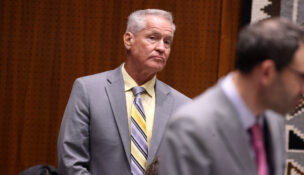
Senate Minority Leader Priya Sundareshan speaking with attendees at the 2025 Legislative Forecast Luncheon in Phoenix, Arizona. (Gage Skidmore / Flickr)
Session Wrap: Sen. Sundareshan, policy priorities and partisanship
Jamar Younger Arizona Capitol Times//July 20, 2025//


For Senate Minority Leader Priya Sundareshan, the legislative session contained its share of accomplishments and challenges for the Democratic caucus.
Some of the victories included working with Gov. Katie Hobbs and Republicans to ensure the Division of Developmental Disabilities program was fully funded, securing some of their funding priorities in the state budget and remaining unified in opposition to Republican bills they considered extreme.
However, many of the caucus’ priorities were unaddressed, including affordable housing, curtailing the state’s Empowerment Scholarship Account program and passing legislation to address rural groundwater shortages in the state.
Sundareshan spoke with the Arizona Capitol Times about these issues and future priorities.
What would you consider some of the biggest accomplishments from this session for you and your caucus?
A major accomplishment for my caucus was in sticking together on issues of value to the Democratic Party and our members, including on many of the extreme pieces of legislation that the Republicans put forward. Our caucus often was the caucus holding together. We were able to show the unity of our opposition, and when those bills then made it to the governor’s desk, that made it pretty clear to the governor that those were easy to veto because those were not in line with our Democratic values.
You supported the Ag-to-Urban bill, which had bipartisan support, despite concerns from some Democratic lawmakers regarding groundwater replenishment obligations. Why did you believe it was a good bill?
So ultimately, I felt comfortable voting for the language in the Ag-to-Urban bill. For one thing, and I think this is reflective of many of my caucus, as well as the House Democratic caucuses’ concerns, is that we should be addressing the big problem, which is rural groundwater. This had nothing to do with that. That problem remains outstanding, and there continues to be no solution, thanks to the intransigency of the Republicans who control the committees. So that’s one major issue. Two, there remains a significant concern about the ability for the Central Arizona Groundwater Replenishment District (CAGRD) to fulfill its existing obligations in replenishing groundwater that has been pumped through because of development up to now, and they are in the process of submitting their 2025 plan of operations for the next 10 years and the Department of Water Resources still has to evaluate it. There already are concerns about where they’re going to find that replenishment water, because we know that the Colorado River is dwindling. There are significant parts of their plan that are no longer able to be counted on. And then, on top of it, what further impact does the Ag-to-Urban bill have on their replenishment obligations? And I think that’s a significant concern that I was raising during the negotiations of the Ag-to-Urban bill, and I continue to have concerns about the groundwater replenishment district.
I was glad to see the involvement of the Gila River Indian Community in this process, because…as part of this negotiation, they are willing and interested to enter into negotiations to sell some of their water rights to the (CAGRD) in order to support those replenishment obligations. Will that be sufficient? That’s an outstanding question that we’re going to have to keep an eye on. But, for now, I was able to support the bill because I felt that the compromise that was reached included a significant number of necessary guardrails to ensure the land that was converting from farm to development to single family housing would altogether — with all of the guardrails, there would be something that could result in groundwater savings over the next 100 years.
So what were some of the biggest challenges from this session?
So many things left unresolved yet again by the Republican majority in the Legislature. We can just rattle them off. For example, we were just talking about water. Rural groundwater remains unaddressed and it was very clear mid-session that there was no desire on the part of the committee chairs to continue negotiating any kind of bill that would do that. That is a huge disappointment and really tragic because there are people in rural Arizona who continue to face the issues of finding their wells running dry thanks to the unlimited ability for large corporate pumpers to just come in and leave the residents high and dry, literally.
Another thing that was left undone is Prop. 123. We had a lot of back and forth over the course of this session about how to ensure a ballot referral to the voters to renew Prop. 123 in a way that would support our education system. And that got bogged down unnecessarily by partisan bickering. I will again say that the House and Senate Republicans had decided that they wanted to start attaching unrelated policies to the Prop. 123 proposal, like voucher protections and other things, when we already have a very, extremely permissive voucher program in Arizona.
Why has it been so hard to address the rural groundwater issue?
What I’ve come to realize is that the reality of rural Arizona residents is just not being represented by even their own elected officials in this Legislature. I represent a suburban-to-urban district, but I have compassion for the people who are not my constituents, who are facing these water crises, and yet their own representatives are seemingly unmoved. Rep. Mathis and I introduced a bill that had Republican support from Republican elected officials in these rural areas across the state. This was something that was a bipartisan effort that we knew was reflective of the negotiations we had had with Republican legislators from last year. We worked together with other Republican elected officials from rural Arizona to put forward this proposal, and yet, that still could not get any hearing by the chairs of the committees.
Were you surprised by the budget process?
Certainly, it is a bit surprising to see the fractures within the Republican parties and the Republican caucuses display themselves so openly. I think what we observed with this budget process was to what extent the Freedom Caucus is willing to take everyone hostage — the entire state hostage — in order to achieve some of their goals, and how much of a hold they have over the Republican Party, because … they were flexing their power, and they showed that they are making demands of the broader Republican caucuses that needed to be addressed before we could move forward.
What enabled the Senate Democrats to be able to work with the Senate Republicans and the governor to reach some of the compromises in the budget?
Senate Democrats had significant concerns with the budget process, as we have for many years, because Republicans do not directly negotiate with us and so we worked with Governor Hobbs and her team to ensure that our Democratic priorities were reflected in the budget. I think we were able to significantly achieve a lot of what we were asking for by working with the governor, but we also were very dissatisfied with the failure to again address universal vouchers, which has a huge impact on the budget. Over $1 billion in the next year that is just going again to this unaccountable, fraudulent program and wasteful because it’s going to people who do not even need educational support and have simply sent their kids to private schools.
But, on the other hand, we also had a number of wins by negotiating for the budget. I’ll point to things like the Area Agencies on Aging that support seniors as they age and provide meals on wheels for seniors. That was a significant point that our caucus was fighting for. Another point is other services broadly for those who need it the most … refugee support and homelessness issues, there was very little funding available to put towards that. And I know many in my caucus would have loved to see a lot more go towards that but what we did see go towards that was due to the engagement of my caucus.
So what do you anticipate as the biggest democratic priorities for the next session?
So much of our affordability agenda was left untouched. We put forward many bills that would have helped Arizonans with affordable housing, with affording everyday necessities and none of those bills received hearings. So I anticipate that our focus on affordability will continue. So that’s one major thing we’ll focus on next session. In the water space, like I said, so much remains unaddressed in protecting our water and protecting our security to live here in Arizona.
Child care investments (were) a huge priority for our caucus, as was for the governor, and there was an investment in this year’s budget, but not to the extent that had been proposed. I think about less than half of that investment was funded. So we will continue to be pushing for that investment and … things that support everyday Arizonans.