Sign In
Upcoming Event
 Free Newsletter

Word of the year: Affordability
Reid Wilson, State Affairs//January 24, 2026//
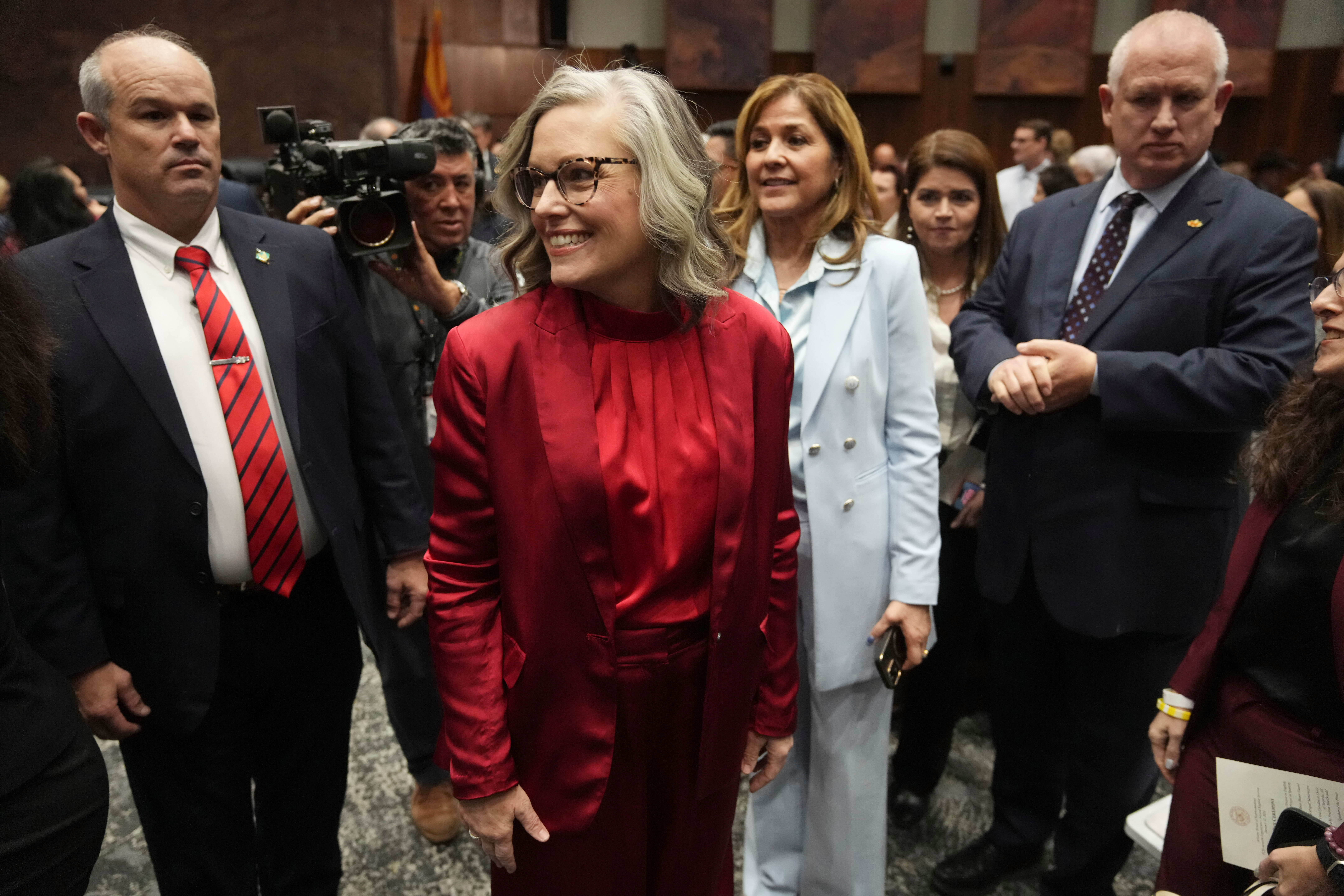
Arizona Democratic Gov. Katie Hobbs smiles as she leaves the House of Representatives at the Capitol after giving her State of the State address, Monday, Jan. 12, 2026, in Phoenix. (AP Photo/Ross D. Franklin)
Word of the year: Affordability
Reid Wilson, State Affairs//January 24, 2026//


Key Points:
- “Affordability” is the top issue in national politics today
- Governors and lawmakers are prioritizing affordability in their agendas
- That means a variety of new bill proposals to address affordability issues nationwide
Just weeks into new legislative sessions, Merriam-Webster might as well call off its search for the word of the year — it’s affordability.
In the face of rising prices and a volatile stock market, governors and lawmakers across the country are embracing agendas aimed at lowering the costs of living, housing, energy and basic consumer goods.
Whether they can deliver on those promises — or at least convince voters their approaches are having an impact — may determine the results of this year’s midterm elections.
“Affordability has become one of the most talked-about issues in national politics today, and it’s refreshing to hear previous skeptics acknowledge it matters,” Vermont Gov. Phil Scott, a Republican, told lawmakers in his State of the State address this week. “Because the affordability crisis that some of us have been talking about for decades is real.”
“Affordability isn’t a joke or some hoax,” Arizona Gov. Katie Hobbs, a Democrat, told lawmakers in her State of the State address last week. “It’s a real and consequential challenge that families across Arizona must grapple with every day.”
Hobbs’s remarks referenced President Donald Trump, who derided what he called the affordability “hoax” after Democratic wins in electoral contests in Virginia and New Jersey last year. But as his party stares down a challenging midterm environment, even Trump has come around, floating plans to limit credit card interest rates and build new housing, albeit without concrete legislative plans.
Republicans have tried to shift the blame to former President Joe Biden, under whose administration inflation spiked in the wake of the coronavirus pandemic.
“Affordability is our highest priority,” Indiana Gov. Mike Braun, a Republican, said in his State of the State address. “The last D.C. administration unleashed inflation that’s still making it hard for families to get by.”
An Economist/YouGov poll conducted last week found 22% naming inflation and prices as the top issue facing them, beating out perpetual concerns like jobs and the economy (15%), health care (12%) and immigration (12%).
In a Wall Street Journal poll conducted last week, 55% of Americans said the cost of living is creating a financial strain. Just 41% said they approved of President Trump’s handling of inflation and rising prices, compared with 58% who disapproved.
The message has gotten across to elected officials: Of the 24 governors who have given inaugural or State of the State addresses so far this year, at least 19 have mentioned affordability. Colorado Gov. Jared Polis, a Democrat, used the word or a variation 20 times. Hobbs cited affordability 15 times. Braun and New York Gov. Kathy Hochul, a Democrat, both used the word 14 times.
Early in legislative sessions, lawmakers have introduced a raft of bills seeking to curtail costs.
The proposals vary widely: Maine lawmakers have introduced bills to end sales taxes on diapers, hike salaries for child care teachers and subsidize the cost of electricity. Lawmakers in Indiana introduced measures to cut property taxes, regulate utility bills and relieve medical debt. Utah legislators want to expand the child tax credit.
“We’re going to focus on things that help folks in their household budget,” Illinois Speaker Chris Welch, a Democrat, told Capitol News Illinois. “We’re going to focus on things that help create good jobs, wage growth and opportunity.”
And legislators in many states are considering ways to curtail the impact the booming data center industry is having on customer electric bills, either by foisting responsibility for infrastructure on those centers themselves or by charging centers higher electric and water fees.
“I am committed to keeping electricity cost as low as possible for families,” North Carolina Gov. Josh Stein, a Democrat, said last week. “That means making sure data centers pay their fair share for the electricity they require to be generated.”
Nothing focuses the mind like an impending deadline — or an election. Observers say lawmakers are reacting to voters who have demonstrated their anger at rising prices, first in the election that sent Trump back to the White House and then in Democratic sweeps in Virginia and New Jersey.
“The affordability factor is a real specter for those running for election and re-election this year,” said Michael Behm, a Republican lobbyist who specializes in state-level influence. Affordability “will almost certainly play into the campaign season.”
In a sign of just how central affordability will be in party messages ahead of November’s elections — and the variety of issues such an umbrella term can encompass — the Democratic Legislative Campaign Committee on Wednesday highlighted some of their party’s early initiatives.
The committee spotlighted bills to raise the minimum wage in Iowa, Kentucky and Virginia; lower utility bills in Maryland, Indiana and Iowa; lower housing costs in Arizona, Colorado, Iowa, Illinois, Kentucky and Maine; and lower health care costs in New Mexico, Colorado, Connecticut, Maryland, New Jersey and Massachusetts.
“It’s not just one issue; it’s a stacking of many issues, one on top of another,” California Gov. Gavin Newsom, a Democrat, said in his State of the State address.
The American Legislative Exchange Council, a group of conservative lawmakers, spotlighted Democratic-led policies it said has led to higher costs, from taxes and regulations to water and sewer fees.
“Free-market states are doubling down with policies that bring more affordability,” ALEC president Jonathan Williams wrote in a blog post.