Sign In


Upcoming Event
 Free Newsletter

Families, advocates call for more help to solve Arizona cold cases
Jordan Gerard, Arizona Capitol Times//September 24, 2026//
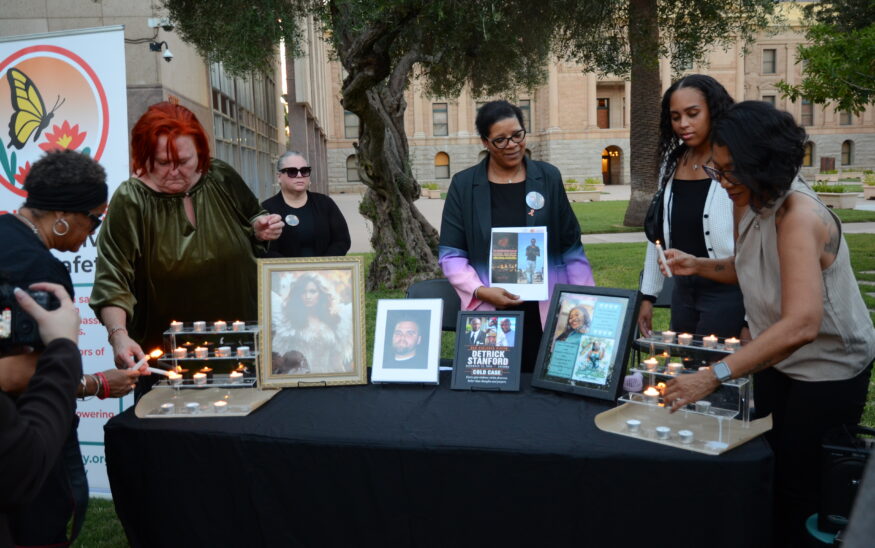
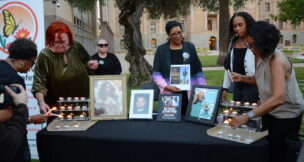
Families light candles to remember their loved ones and bring awareness to their cases on Sept. 21, 2026. (Jordan Gerard/Arizona Capitol Times)
Families, advocates call for more help to solve Arizona cold cases
Jordan Gerard, Arizona Capitol Times//September 24, 2026//


Key Points:
-
Five families highlighted the murders of their loved ones and called for increased resources to solve the cases
-
There are currently 6,787 unresolved homicide cases in Arizona
-
Victims’ advocates said cold cases need more time, personnel, communication and accountability
Five families stood before the state Capitol this week to tell stories of their loved ones whose killings remain unsolved and to call on law enforcement to provide them with more support.
Their cases span decades. Some have waited five years for answers; others have waited nearly 40.
Arizona has 6,787 unsolved homicide cases, according to the Murder Accountability Project, which tracks unsolved homicides nationwide going back to 1965. The state currently has a homicide clearance rate of nearly 64%, but victims’ advocates say that figure does not tell the full story for families still waiting to learn who killed their loved ones and whether anyone will ever be held accountable.
The families, joined by the nonprofit group Arizonans for Effective Public Safety, were at the Capitol on Monday to raise awareness of the issue. They want more dedicated cold-case detectives, fully staffed investigative units, improved communication with families and faster action on cases that can otherwise languish for years.
Arizona Attorney General Kris Mayes, who briefly served as acting governor this week, issued a proclamation recognizing September as National Cold Case Month.
“Every unsolved case represents a real Arizonan — a son, a daughter, a parent, a friend — and a family still waiting for answers,” Mayes said. “This week, we honor those victims and recommit to making sure no case in Arizona is ever abandoned simply for lack of resources.”
Kat Glenn, executive director of Arizonans for Effective Public Safety, said many Arizona counties either lack dedicated cold-case units or do not have enough investigators to handle the caseloads.
Glenn said the organization plans to lobby lawmakers in the coming months to talk about ways the state can improve investigations and communication with families.
“It’s a multi-layered answer, right?” she said. “Some of the families we’ve been working with, their cases have been cold for five years. Some of them have been cold for almost 40 [years].”
The longer a case remains unsolved, the more people it can affect, Glenn said. And it’s not only the families of victims but potentially the broader public if the killer remains at large.
“Best case scenario, we always hope that person is no longer in the general public, but we don’t know that unless the case is solved,” Glenn said.
Glenn also noted that case “clearances” do not always mean someone has been prosecuted. She said Arizona receives a D rating for its ability to solve cases. She also questioned whether the state’s current spending on law enforcement is producing results families need.
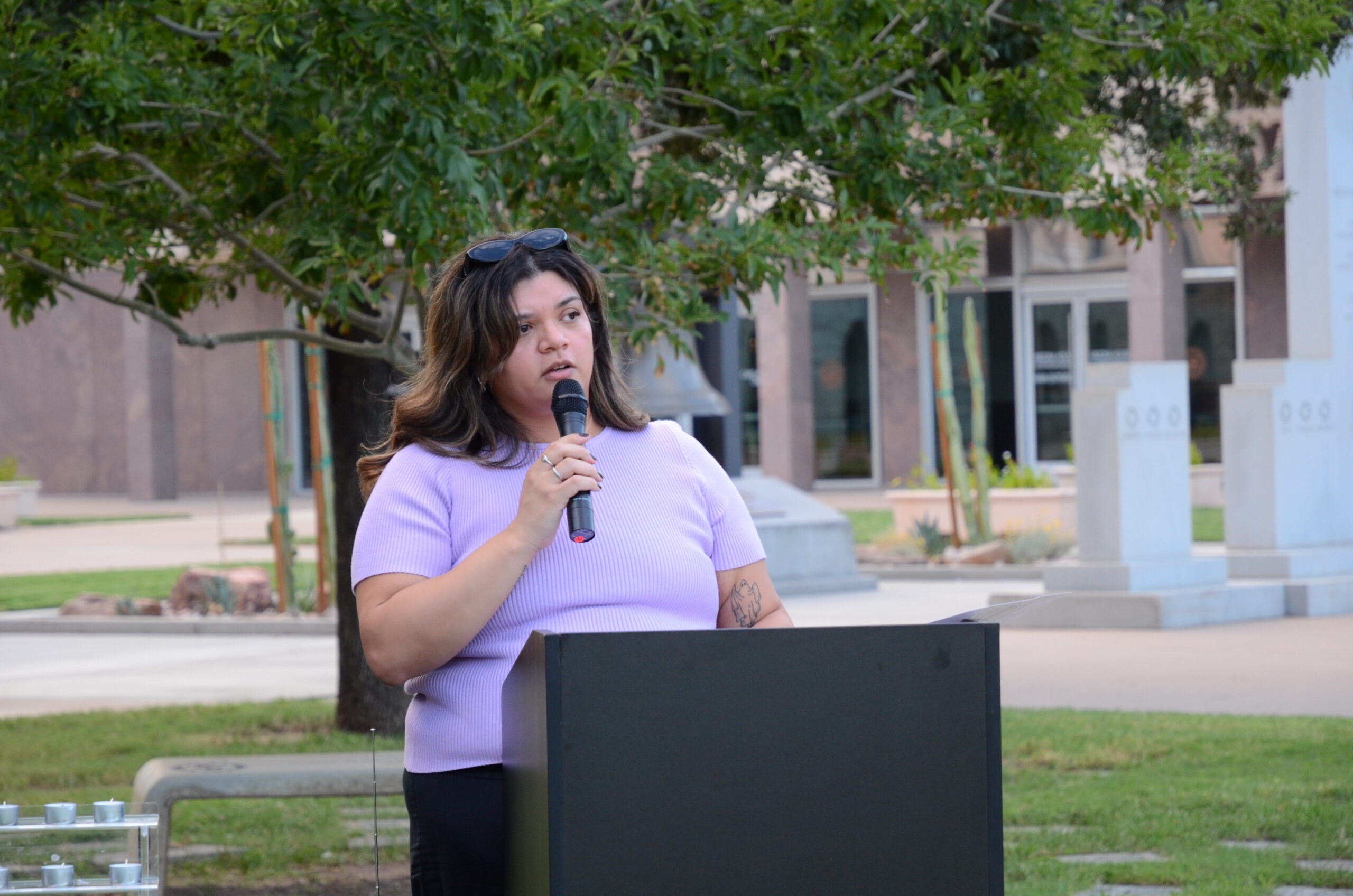
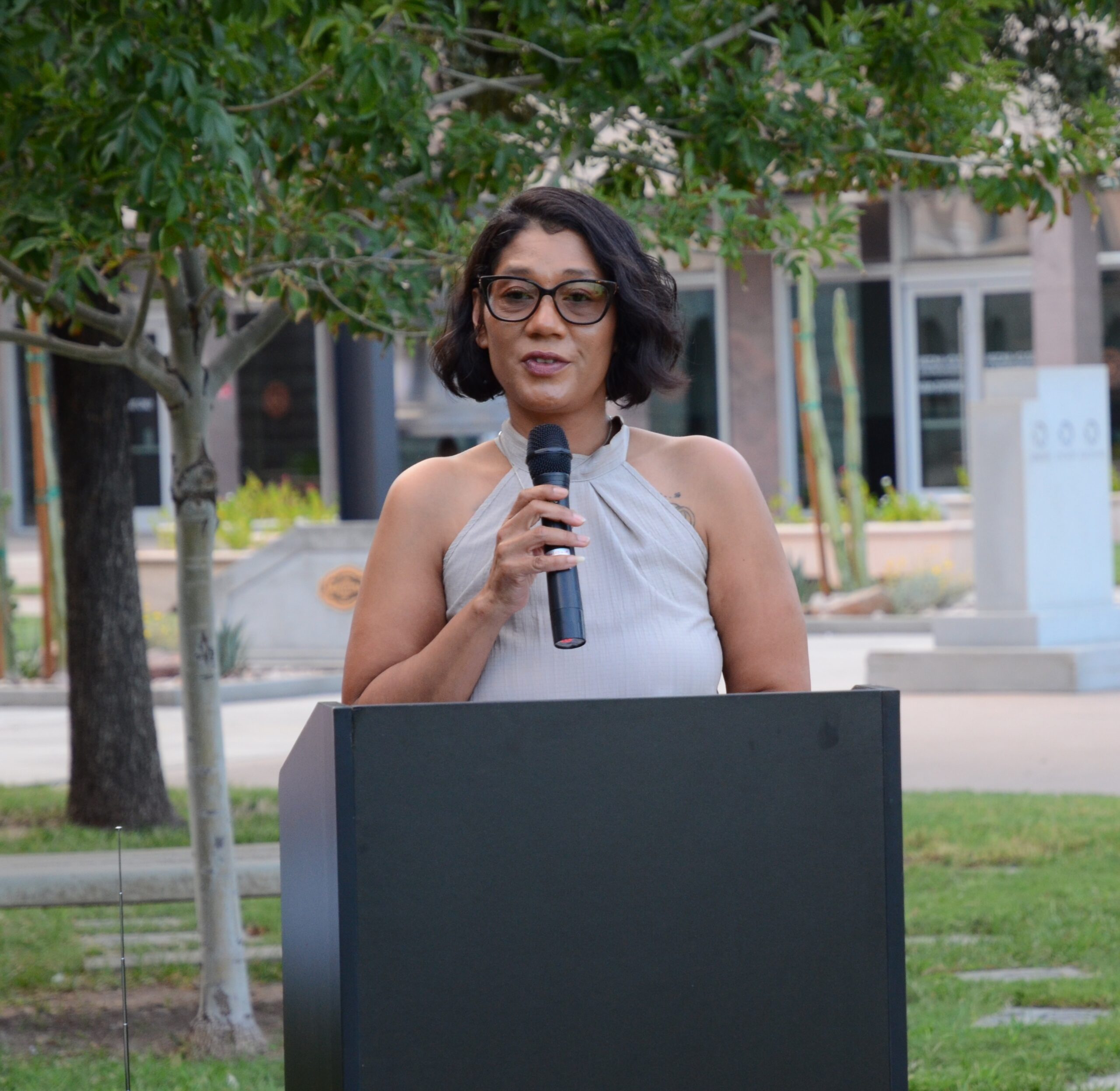
Brenda Miller knows what it means to wait.
Her daughter, Destiny McClain, was killed on July 18, 2021, in a drive-by shooting in Phoenix while waiting to order from a food truck. Miller said she has woken up every day knowing someone out there knows what happened to her daughter and wondering when she’ll know the answer.
“It means learning how to continue living your life while a part of you is still waiting,” she said. She remembers Destiny as having a heart of gold, funny, loving, compassionate and deeply loved.
Miller said she’s fortunate to have a detective who communicates well with her, but notes that not every family has had the same experience. Through her own case and conversations with other families, she said she’s seen how easily victims can feel disconnected from the process.
“This is why better communication between law enforcement, prosecuting agencies and families matters,” Miller said. “Even when there is no new development, communication matters.”
Families shouldn’t have to worry whether their loved one’s case has been forgotten, she said.
“I will continue to say Destiny’s name,” Miller said. “I will continue advocating for her, and I will continue standing beside other families who are waiting for answers, because no family should have to fight alone just to keep their loved one’s story alive.”
Glenn said state and local governments could direct more money toward cold cases in multiple ways, including shifting existing agency budgets or making funding for unresolved cases part of state and/or county budgets.
She added that better record-keeping and transparency are needed to know what is and isn’t working.
“I think the two that we’ve looked at as far as efficiency and whether or not it works and where we’ve spent the most money, kind of tells you that we can reinvest dollars,” Glenn said. “We have the money. It’s just our willingness to put it where it’s going to make the most difference.”