Please ensure Javascript is enabled for purposes of website accessibility

23 more speciality license plates possible, but not for LGBTQ+ students

Key Points:
  • An omnibus bill could bring 23 new specialty license plates to Arizona drivers 
  • License plate revenues support local organizations, typically apolitical
  • A proposed specialty plate that would support LGBTQ+ students attending college was never heard in committee

Arizona’s specialty license plates were designed to raise money for a wide range of causes, but a new proposal to add 23 more plates to the state’s roster is testing the political limits. 

A proposal to create a plate that would honor late activist Charlie Kirk and send donations to the nonprofit conservative organization Turning Point ignited a mix of support and criticism before it met Gov. Katie Hobbs’ veto. 

The governor said his assassination was tragic and a horrifying act of violence and spoke against political violence, adding, “I will continue working toward solutions that bring people together, but this bill falls short of that standard by inserting politics into a function of government that should remain nonpartisan.”

At the same time, efforts to create a specialty plate that would benefit LGBTQ+ college students attending Maricopa Community Colleges have also been repeatedly rejected by Republican lawmakers for the past four legislative sessions. 

Now, 23 more specialty license plates are coming through the Legislature, supporting causes like honoring military Bronze and Silver Star recipients, skin cancer prevention, students recycling used technology and finally, a Grand Canyon license plate. 

But one question remains: How many skirt the political line? 

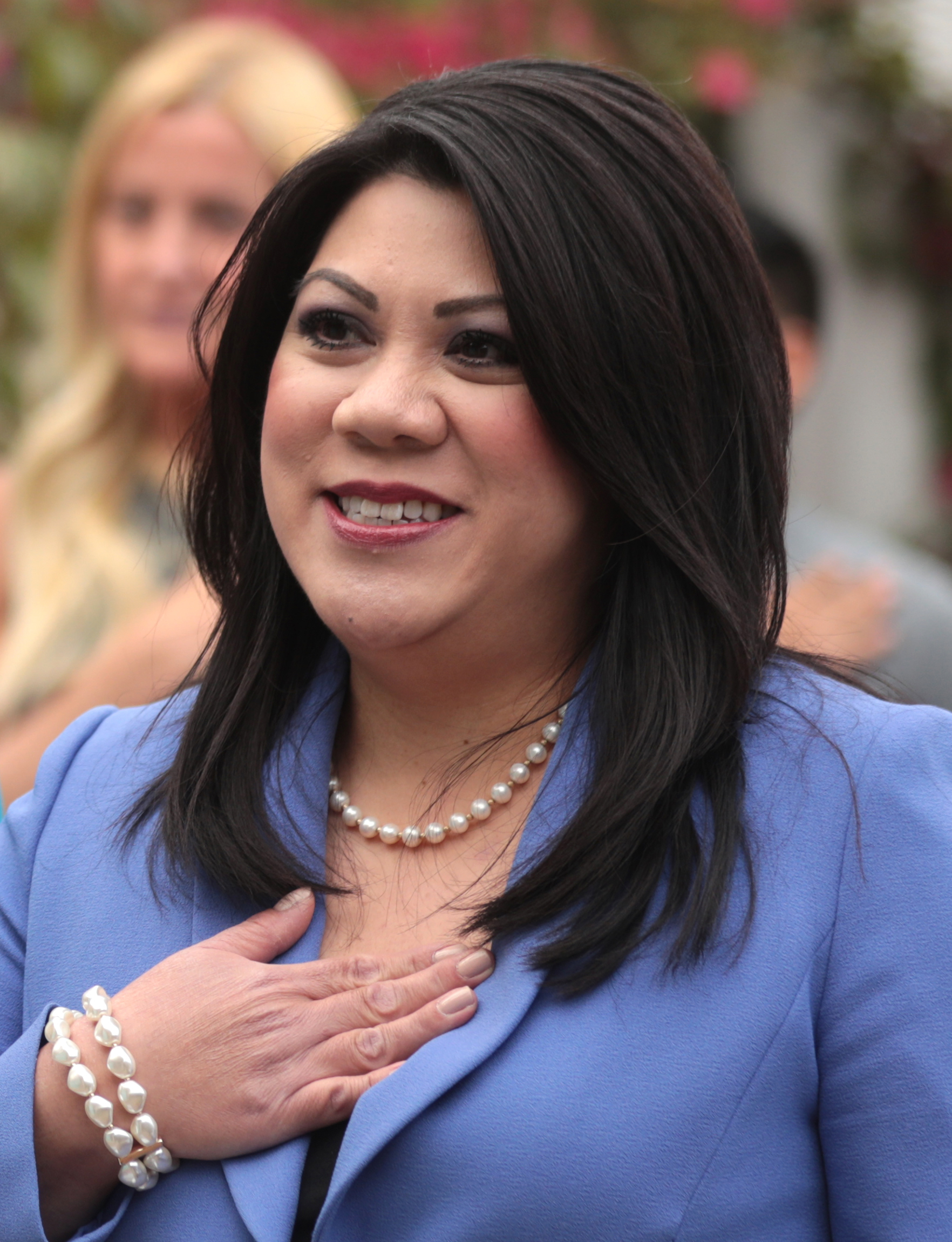
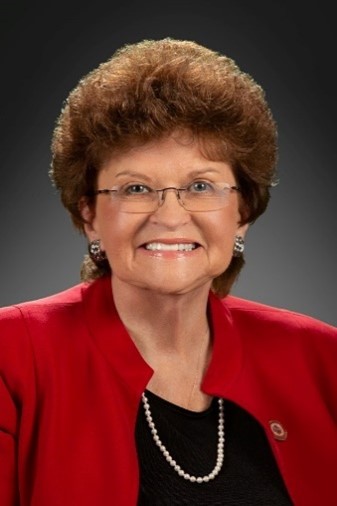
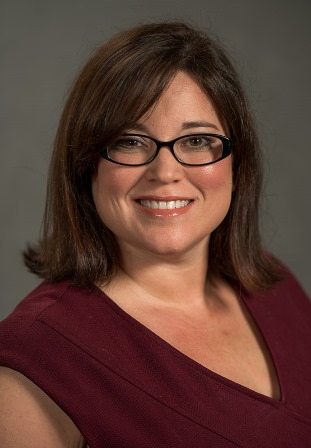
Rep. Lorena Austin, D-Mesa, has been trying to pass a specialty plate that would show support for the LGBTQ+ community and help support college students with scholarships. The bill has never been heard in committee. Austin said it’s because the group who would pay the implementation fee supports the LGBTQ+ community. 

“It is discriminatory to exclude this one bill every single year simply because it’s from an LGBTQ+ organization, which is really sad. Like it’s freedom and justice for all except you and freedom for anyone to put anything on their car except you,” Austin, who is non-binary and prefers they/them pronouns, told the Arizona Capitol Times. “That’s literally what is being relayed to us as a community that we are less than and we are not deserving of showing our pride.”

As a member of the LGBTQ+ community, Austin has seen the struggles that some students face. Some don’t have family support or financial assistance to help with college, Austin added. 

“Scholarship opportunities for underserved communities are either taken very quickly, and then there’s just not enough,” Austin said. “Whatever opportunity we can give for a student to get through school, I don’t know why we wouldn’t take it.”

In this year’s effort to see an LGBTQ+ plate, Rep. Betty Villegas, D-Tucson, filed House Bill 2719, but it was never heard in the House Transportation and Infrastructure Committee. Rep. Leo Biasiucci did not return a request for comment on why the bill was never heard. 

However, when lawmakers started asking about the group that would benefit, they didn’t give the bill a hearing, Austin and Villegas said. In contrast, Villegas pointed out that the Charlie Kirk license plate bill at least made it to the governor’s desk.

“That’s a big problem for me. We don’t have a voice,” she said. 

Arizona already has two specialty license plates that could be considered political. 

One is the “In God We Trust” plate, which donates funds to the Alliance Defending Freedom, a nonprofit organization founded in Scottsdale that defends religious liberty. According to the Department of Transportation, the plate was approved in 2011 and available to the public in 2012. During the last five years between July 2022 and March 2026, the plate has raised $1.15 million. The organization did not answer questions by deadline about their plate. 

Arizona also has the “Choose Life” plate, which donates funds to the Arizona Life Coalition, a nonprofit organization in Phoenix that supports pro-life efforts. It has raised $86,600 over the past five years. The coalition did not respond to a request for comment about their plate. 

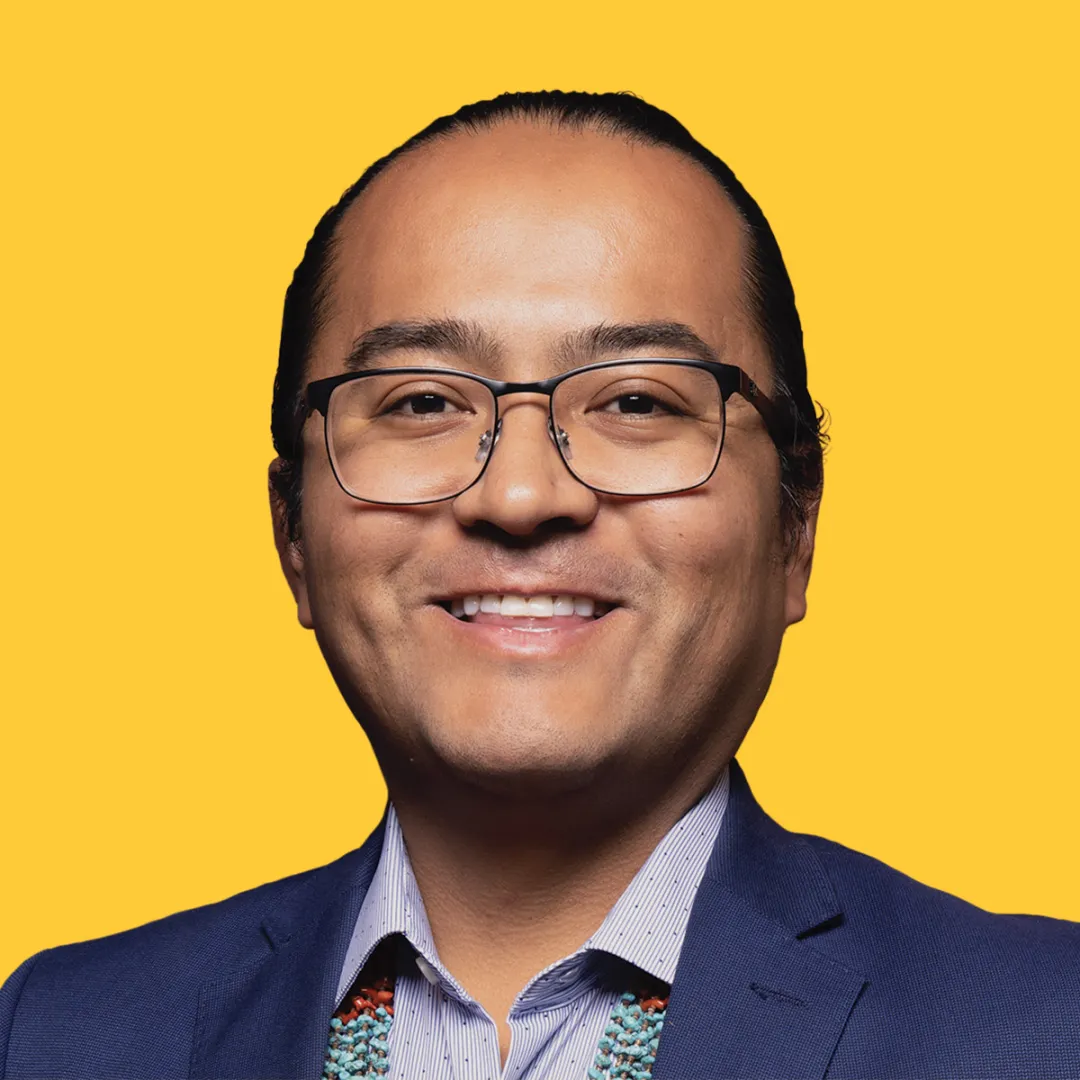
The advocacy group behind the LGBTQ+ license plate is Equality Maricopa and its current president, Jay Franzen, who said his nonprofit organization has existed since the early 2000s in different iterations. Previously, they were an employee affinity resource group operating within the Maricopa Community Colleges district. 

But when President Donald Trump signed an executive order that directed universities and colleges to disband their Diversity, Equity and Inclusion efforts, Equality Maricopa “divorced” the district and became a nonprofit. Now they advocate and bring awareness to LGBTQ+ issues.

They’ve been waiting for a specialty plate for years and have the $32,000 implementation fee raised and ready to go, Franzen said. They also have a preliminary design, which is subject to change amid Arizona Department of Transportation approval.

“We’re just getting stonewalled because we’re a queer organization,” he said. “It will never make it out of committee because it doesn’t have enough support from the other side of the aisle.”

The LGBTQ+ license plate isn’t part of House Bill 2127, which is an omnibus bill with 23 specialty license plates. Rep. Neal Carter filed that bill, but did not respond to requests for comment about that bill or the LGBTQ+ plate. 

The Arizona Capitol Times reached out and confirmed several plate proposals that would receive the donations if the bill is signed, the $32,000 implementation fees are paid and the plate design is approved by the Arizona Department of Transportation. 

The organizations are only identified by criteria in the bill language, not by name. People can choose to pay $25 for a specialty plate, with $8 going to the State Highway Fund and $17 going to the nonprofit organization sponsoring the plate.

Maricopa Community Colleges didn’t comment on the license plate but said in a statement they welcome support from community partners and organizations that help students access and succeed in college.

Highway renaming sparks debate over Trump and Epstein files in Arizona Senate

Key Points:
  • Sen. Wendy Rogers wants to rename a state road as the Donald J. Trump Highway
  • Proposal sparked debate over life and actions of the President
  • Legislators are also considering honoring slain activist Charlie Kirk by naming a highway

What’s coming out in the Epstein files spilled over to the state Senate on Tuesday.

And it’s all because Sen. Wendy Rogers wants to rename a state road as the Donald J. Trump Highway.

The 193-mile stretch of State Route 260 from Cottonwood to Eagar is now designated as the General Crook Trail, named after the original dirt road built in the 1870s as a military supply wagon road. Now, the Flagstaff Republican wants the Arizona State Board on Geographic and Historic Names to replace that with the name of the president.

Her SCM 1001 lists a host of reasons she believes Trump deserves the honor, ranging from the construction of additional border walls, his role in enacting tax relief, and his withdrawal from the United Nations Paris Climate Agreement.

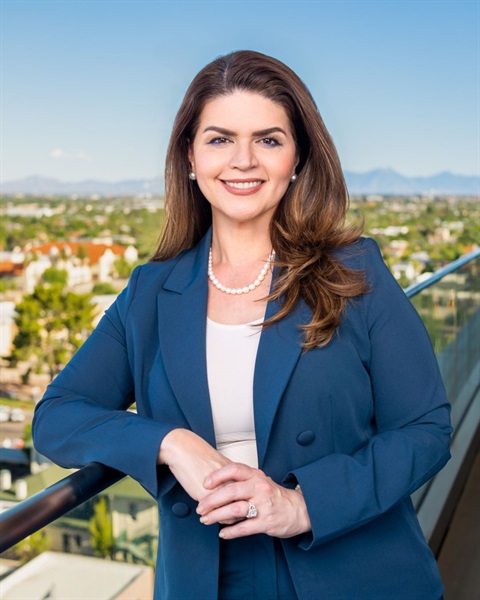
But when the measure came to the Senate floor on March 3, Sen. Analise Ortiz, D-Phoenix, had questions.

Rogers wouldn’t agree to respond. So Ortiz laid out her case for why such an honor is misplaced.

That specifically includes reports from the New York Times claiming the president’s name appears more than 38,000 times in the Epstein files. And she specifically mentioned Trump’s name appearing in an FBI tip sheet with what she said was an allegation that Epstein years ago introduced a 13-year-old girl to Trump who, in turn, was accused of trying to force the girl to perform a sex act.

There has been no independent corroboration of that incident, and Ortiz’s comment was ruled out of order by Sen. Frank Carroll, who was presiding. 

But that did not stop Ortiz from saying that there’s more in the files that should make lawmakers question whether the state should honor him with a road.

“These files … dictate horrific sexual abuse, the most heinous sex trafficking ring possibly in history,” she said.

“President Trump has been hiding these documents,” Ortiz said. “His Department of Justice has been scrubbing these documents from the law that he passed to make these public.”

What’s needed before the state takes any action to honor Trump, she said, is the full disclosure of what else is in the Epstein files, “and the truth about his involvement in this ring of pedophiles.”

“We should not even be entertaining or talking about this right now,” Ortiz said.

But given Republicans’ support — and their control of the Senate — none stood up to defend the move. The measure gained preliminary approval on a voice vote.

While Rogers did not defend her measure on Tuesday, she did rise to its defense when the proposal first went before a Senate panel in January.

“Needless to say, our president is bigger than life,” Rogers told colleagues. 

That, in turn, provoked a response from Sen. Mitzi Epstein.

“We should name our public places after people who have led exemplary lives, not after a person who has led a disgraceful personal life,” said the Tempe Democrat. And she said this isn’t partisan, saying there are many Republican politicians who could be honored in this fashion.

“But not this one,” Epstein said.

She also said it’s not just about what’s in the files.

Epstein also mentioned the 34 convictions of falsified business records which prosecutors said were designed to conceal payments made by Trump to cover up an extramarital affair. And he was found liable in a civil trial for sexually abusing E. Jean Carroll and then defaming her when he denied the allegations, and was ordered to pay $5 million in damages.

And then, Epstein said, there was the overheard comment about how he could “grab women by the, you’ve heard of it.”

But her objections gained no traction.

Sen. Mark Finchem, R-Prescott, responded with just two words: Bill Clinton, a reference to issues that the former president faced about his own sexual activities when he was in the White House.

Sen. Vince Leach had his own reason for supporting this designation for Trump. Consider, the Tucson Republican said, President Lincoln whom he called perhaps “the most divisive in our history.”

“And yet he is recognized all over this country,” Leach said, including his name on roads.

And Senate Majority Leader John Kavanagh, R-Fountain Hills, called Epstein’s comments an “unjustified and untrue slandering of our president.”

SCM 1001 still requires a final roll call vote in the Senate before going to the House.

Because of the way the measure is worded, it would not require the approval of Democratic Gov. Katie Hobbs.

It also offers no guarantee that the State Board on Geographic and Historic Names will honor the request.

It has independent authority to decide what names are appropriate, and the board has a policy of not naming geographic features after individuals until they have been dead for at least five years.

That differs from the proposal by Senate President Warren Petersen to designate a highway in Maricopa County as the Charlie Kirk Loop 202 in honor of the slain co-founder of Turning Point USA. That one simply directs the Arizona Department of Transportation to erect signs with the name along the 78-mile road.

SB 1010, which has been approved by the Senate on a party-line vote, awaits action in the House.

But as a bill, it would need Hobbs’s approval. She has yet to comment on the issue.

Arizona Senate approves renaming Loop 202 after Charlie Kirk

Key Points:
  • GOP senators want to honor late conservative activist Charlie Kirk with two bills
  • Senate Bill 1010 renames Loop 202 as “Charlie Kirk Loop 202”
  • Lawmakers also propose a bill to create specialized Charlie Kirk license plates

Republican state senators found not just one but two ways to honor the late Charlie Kirk.

And one is crafted to help raise money for Turning Point USA, the organization he co-founded.

On a party-line vote, the Senate approved SB1010 to rename the entire 78-mile Loop 202 around the Phoenix metro area as the “Charlie Kirk Loop 202.” The proposal comes from Senate President Warren Petersen, R-Queen Creek, who said it will ensure that “Arizonans are regularly reminded of the tremendous legacy of this champion of free speech who was assassinated for his stand.”

Moments later, on the same 16-12 margin, the Senate gave its blessing to SB1439. This second separate measure would authorize the state Department of Transportation to create a special license plate that Arizonans could purchase to memorialize Kirk.

Both measures now go to the House. And, if approved there, both would require the signature of Democratic Gov. Katie Hobbs to become law

A spokeswoman for Hobbs declined to comment about her intent.

The votes followed some debate about whether the controversial Kirk, assassinated last year, is worthy of the honor and the maneuver to bypass the normal procedure to name a highway — a procedure that requires someone to have been dead for at least five years.

It starts with the highway.

Sen. Mitzi Epstein read a series of messages she said she got from constituents opposed to honoring Kirk. One read by the Tempe Democrat expressed the view that such honors should be reserved for those who bring communities together and advanced the common good, “not those whose public record is defined by divisive rhetoric and promotion of hatred.”

Green Valley Democratic Sen. Rosanna Gabaldón said the proposal bypasses the normal process — one set up by the Legislature itself — that assigns the task of reviewing name changes to the Arizona State Board on Geographic and Historic Names.

“SB1010 politicizes the state highway naming process,” she said, with the board designed to pursue a process “that’s supposed to be neutral (and) reflective.”

“Our transportation system should unite Arizonans, not be used for political statements,” Gabaldón said.

Sen. Lauren Kuby pointed out that the board policy — the one lawmakers are overriding — is not to name anything after someone until at least five years after they have died. That, said the Tempe Democrat, “both avoids political controversy and allows historical perspective.”

And Sen. Kiana Sears said this whole controversy was avoidable.

The Mesa Democrat pointed out that when the measure was being heard in the Senate Committee on Public Safety she offered a compromise: Call Loop 202 the “Freedom of Speech Highway.” That gained no traction.

Petersen, in a prepared statement after the vote, defended his bill and the decision for lawmakers to create this honor for Kirk.

“He believed Americans could disagree and still engage one another civilly and respectfully,” the Senate president said.

“He encouraged people, especially young people, to get involved in civic life and help shape the future of their communities,” Petersen continued. “Designating Loop 202 ensures his contribution to civic engagement and public participation won’t be forgotten.”

The approval of the license plate bill, SB1439, despite its party-line vote, provoked less debate.

That is not surprising, given the long history of lawmakers of both parties approving a series of requests by various organizations to create special license plates. In fact, there are now more than 100 options from which motorists can choose, from Boy Scouts and promoting organ donations to funding research into Alzheimer’s diseases and funding the Arizona Life Coalition to promote its anti-abortion measure.

Part of the reason for these requests is to visibly promote the cause. But most of it is designed to raise money.

It can be lucrative: ADOT reports the charities that have these plates collected $12 million in 2024.

In this case, as in for all special plates, that starts with the group that seeks to benefit by raising the $32,000 to start the process, including design of the plates. Once that is raised, ADOT adds it to the list of available options — if the vehicle owner pays an extra $25 a year.

Of that fee, $8 goes to ADOT, with the sponsoring organization getting the $17 balance.

There is an interesting quirk with how all that happens: Lawmakers cannot approve a special plate and say in statute that only a particular organization can qualify. Instead, they legally have to craft each measure that — at least on paper — is designed to let any group that qualifies to get the plate and benefit from the sales.

But there are ways around that. The key is in the wording.

So, strictly speaking, there’s nothing in SB1439 that says the money will go to Turning Point USA.

Instead, it says the entity wanting the cash must “educate people through the development of knowledge, skills, values and motivation to engage in communities to restore traditional values, including patriotism and fiscal responsibility and the respect for life, liberty and family.”

But to further ensure that Turning Point — and only Turning Point — qualifies, it adds a requirement to have a grassroots activist network on high school and college campuses in the state and that it assists college students in registering to vote and obtain absentee ballots.

And if that doesn’t narrow it enough, there’s one other condition: The qualifying group must “have been founded in 2012,” which happens to be the year that Turning Point was founded.

Political violence top of mind for Legislature this session

Key Points:
  • Lawmakers are introducing bills to offer more protections against political violence
  • One bill would allow candidates to spend campaign cash on security expenses
  • Other bills would increase penalties for harassing candidates and protect addresses

Arizona lawmakers are hoping to offer more protections for political candidates and election workers after 2025 saw several high-profile incidents of political violence. 

Lawmakers on both sides of the aisle introduced three bills focused on threats to candidates and election workers that were directly inspired by the shooting deaths of former Minnesota House Speaker Melissa Hortman and Turning Point USA co-founder Charlie Kirk. It has been top of mind for officials across all areas of Arizona’s government over the past year. 

“Unfortunately, personal security has become a necessary part of running for and holding elected office,” Secretary of State Adrian Fontes wrote in a memo following the incidents.

In that memo, Fontes also advised candidates that he would not bring enforcement action against anyone using campaign funds for security services even though those expenses aren’t explicitly allowed under state law. Sen. T.J. Shope, R-Coolidge, is hoping to change that with Senate Bill 1189. 

Shope’s bill would allow campaign committees to lawfully spend campaign donations on personal security for the candidate or the candidate’s family and requires those expenses to be documented on campaign finance reports. Shope told the Senate Judiciary and Elections Committee on Jan. 21 that his bill will codify Fontes’ guidance to ensure candidates aren’t punished for following it.

“I belong to the board of directors for at least three of our legislative national organizations, and this is a topic that has come up in all of those,” Shope told the committee.

Since Fontes issued the guidance, several candidates have taken him up, including Shope’s colleague Sen. Shawnna Bolick, R-Phoenix. She has been candid about the threats her family has faced, given that she and her husband, Arizona Supreme Court Justice Clint Bolick, are public figures. 

“I would advise any other elected official out there that this applies to actually utilize these dollars to protect your family, because you never know,” Bolick told the committee on Jan. 21. “In my opinion, it’s good to have video footage in the event you have to actually prosecute someone.”

Additionally, Gov. Katie Hobbs, who is running for reelection, and one of her potential gubernatorial challengers, Republican Karrin Taylor Robson, have both utilized their campaign dollars for security in recent months. Hobbs’ campaign paid $720 to a security consulting firm in November, while Taylor Robson’s campaign paid $3,800 to two separate security firms in July and October. 

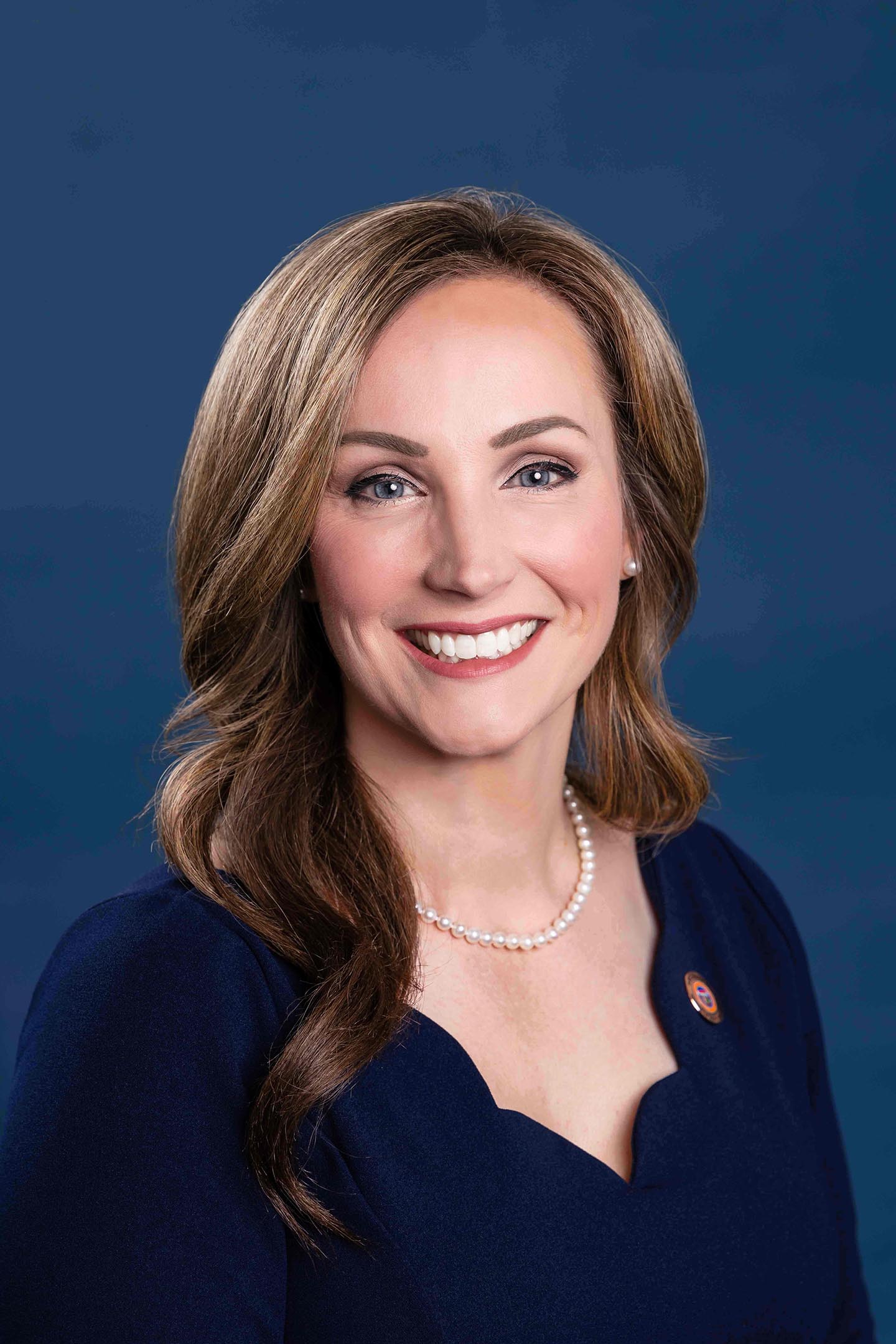
Shope’s bill passed out of committee unanimously. In a similar vein, Senate Majority Leader John Kavanagh, R-Fountain Hills, introduced a bill that would allow candidates whose home addresses have been sealed via a court order to provide alternate addresses on forms used to prove residency in an electoral district. 

Megan Kintner, the legislative director for the Arizona Association of Counties, said during a committee hearing on the bill that it will help ensure addresses that are otherwise protected aren’t inadvertently publicized.

“Like a judge, or if you were maybe a law enforcement official and you had your address protected because you were dealing with some harassment or some stalking, we wouldn’t want you to decide later that you wanted to continue your public service in another format and then realize ‘now my address is going to be exposed again,’” Kintner told lawmakers.

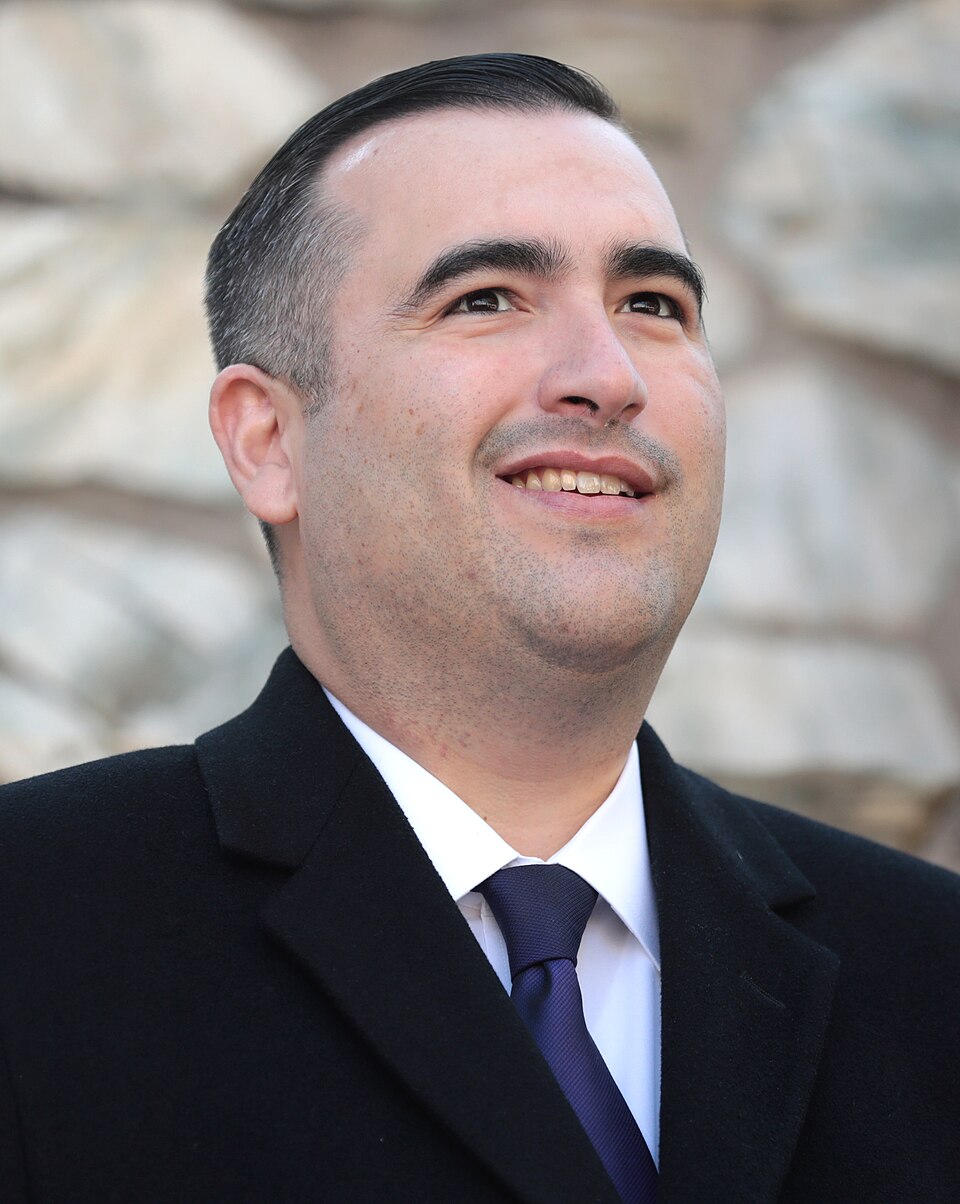
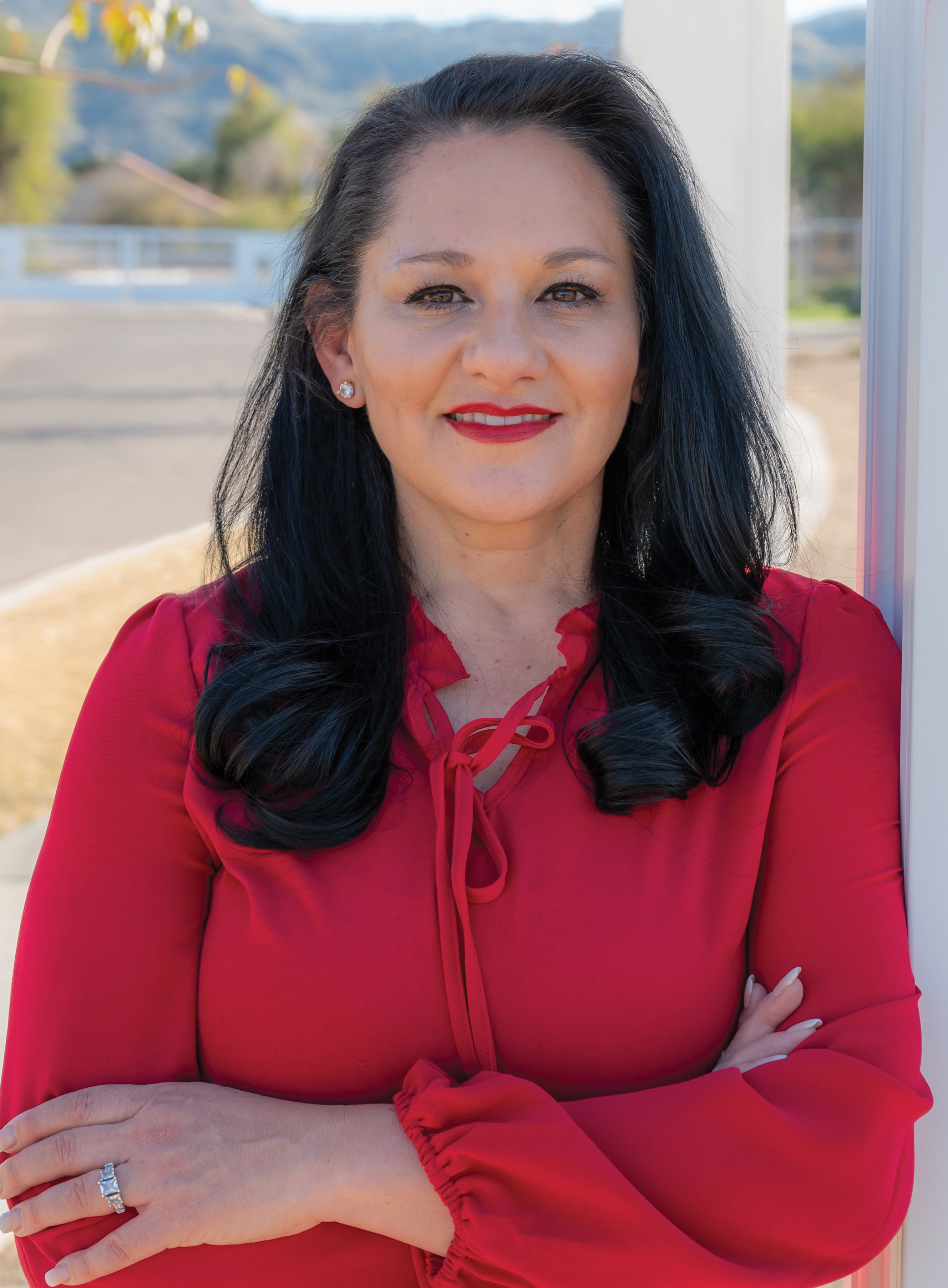
Rep. Lorena Austin, D-Mesa, is proposing extending similar protections to election officers whose addresses are protected by court order. Her bill would also criminalize posting personal information about election officials online when that information poses a safety threat. 

Another bill from Rep. Quang Nguyen, R-Prescott Valley, would increase punishments for threatening, intimidating or harassing public officials, employees or their family members. Threatening or intimidating public figures or their family members would be a class 3 felony with a minimum sentence of two years in prison, while harassing them would be a class 6 felony with a maximum sentence of two years in prison. 

Shope and Kavanagh’s bills are currently on the move in the Senate, but Austin and Nguyen’s bills are currently awaiting committee hearings. It is unclear if any of the bills will receive a signature from Hobbs. 

Meet Arizona’s Power 50

Welcome to the inaugural Power 50.

These are the state’s most important people — those who hold the power and wield the influence to shape the landscape of Arizona now and in the future. From legislative leaders and behind-the-scenes strategists to business moguls and grassroots changemakers, this inaugural list goes beyond titles to spotlight the individuals who make things happen. Whether they wield power from the Capitol, a courtroom, the halls of higher education — or sometimes from the shadows — these are the players to watch.

While this is by no means an exhaustive ranking of Arizona’s most impactful leaders, this list serves as a reference point and highlights those actively steering the political agenda. We hope it sparks discussion about Arizona’s future.

But you shouldn’t get too caught up in the rankings. The difference between No. 14 and No. 35 probably isn’t really that great.

This list will evolve annually. As a reader, you can be a part of it. Liked the direction we went in? Let us know. Didn’t see someone you believe should be on the list? Tell us about them.

We look forward to continuing to engage with you on these and other key players — and issues — shaping the state.

Thank you for reading the Arizona Capitol Times.

Teri Hayt, Managing Editor. 


  1. (AP Photo/Ross D. Franklin)

    Gov. Katie Hobbs: As the first Democrat elected governor of Arizona in nearly two decades, Hobbs has ushered the state through a new era of divided government. While sparring with the Republican-controlled Legislature over the last three years, she broke the state’s veto record twice, narrowly avoided a historic government shutdown and managed to see a few of her own priorities cross the finish line. Hobbs, a frequent punching bag for Republicans, is celebrated by fellow Democrats for signing a repeal of the state’s near-total abortion ban, quashing the most extreme Republican legislation and increasing access to health care and other essential services. The governor will lead the top of the ticket for Democrats in the state in 2026 when she seeks a second and final term on the ninth floor.


  1. Attorney General Kris Mayes: As the state’s chief law enforcement officer, Mayes stands as a Democratic bastion and counterweight to state and federal Republican policy. Since taking office in 2023, her focus has remained steady on enforcing stronger consumer protections, combating the fentanyl crisis, and targeting fraud in the state school choice program. Mayes has waded into, or decidedly stepped out of, political battles. After she refused to defend the state’s 15-week abortion law, the courts struck it down as unconstitutional. She also initiated the prosecution of the 2020 “alternate” presidential electors and is pursuing novel water litigation using public nuisance law. At the federal level, her office joined more than two dozen lawsuits against the Trump administration and saved the state an estimated $1.5 billion in federal funds. She is seeking reelection in 2026. 


  1. President Donald Trump: When Trump returned to the White House last November, Arizona was one of the key states to deliver him a victory. His influence was evident in the policies proposed by state Republican lawmakers, who reiterated their support for the president throughout the last legislative session. And Republican lawmakers have shaped much of their policies around his agenda, including bills calling for state law enforcement agencies to support federal immigration enforcement efforts, ending diversity, equity and inclusion initiatives at universities and government agencies and reducing the size of government.


  1. Sen. Warren Petersen: Petersen, R-Gilbert, is preparing for his last legislative session as Senate president before he embarks on his campaign for state attorney general. On the campaign trail, he has touted his conservative bona fides and involvement in more than 80 lawsuits, prompting some to refer to him as the “de facto” attorney general. Petersen has either led or joined legal action in numerous issues, including the drafting of the state’s Election Procedures Manual, the Arizona Motion Picture Production Program and litigation over Arizona’s Save Women’s Sports Act. Petersen has also helped lead the Republican effort to advance President Donald Trump’s agenda at the state Legislature and has met with members of the president’s administration in the last session.


  1. Rep. Steve Montenegro: As one of the most experienced members of the Arizona Legislature, Rep. Montenegro, R-Goodyear, was elected by his Republican colleagues as House Speaker for the 2025 and 2026 legislative sessions. Montenegro was first elected to the Arizona House in 2008 and served in the chamber until 2017, when he unsuccessfully ran for Congress in a special election in 2018. He returned to the Legislature in 2023 and became the state’s first Latino speaker. Despite some close calls in his first session as speaker, Montenegro has led the chamber to a bipartisan budget and ensured Arizona’s Division of Developmental Disabilities received emergency funding to keep services available for about 60,000 Arizonans.


  1. Secretary of State Adrian Fontes: Fontes rode in on a blue wave in 2022 to continue a legacy of Democratic control at the Secretary of State’s Office that began with Gov. Katie Hobbs’ in 2019. A widely-respected elections expert, having steered Arizona’s largest county through the contentious and unprecedented 2020 election cycle during his time as Maricopa County recorder, Fontes uses his unapologetic air and commanding voice to fend off challenges to the security and effectiveness of Arizona’s election system. Known for his political ambitions, he has contemplated runs for governor and Congress in the last year, but will run for reelection in 2026 alongside the other top Democrats in the state.


  1. (Gage Skidmore/Flickr)

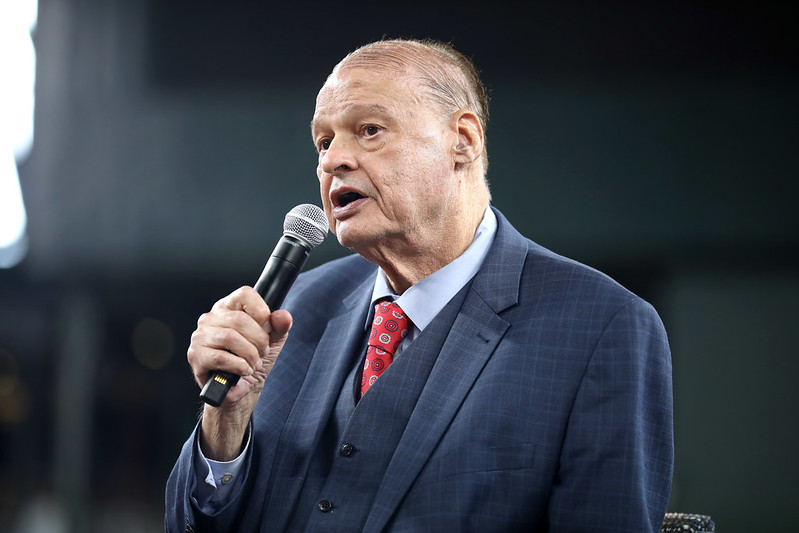
    Superintendent of Public Instruction Tom Horne: A seasoned politician, Horne returned to the Arizona Department of Education in 2023 as superintendent after serving in the same position from 2003 to 2011 and serving as attorney general between 2010 and 2015. He took the helm at the dawn of the universal expansion of the Empowerment Scholarship Account program — the state’s school choice program, which has grown to more than 90,000 enrollees from around 12,000. Horne has trained the department to focus on ensuring greater academic outcomes and stronger school safety — chiefly by deploying more armed police officers on school campuses. He’s come back to familiar crusades from his first term, too. He litigated to ensure that students learning English are taught in English and serves as the current presidential administration’s muscle in enforcing the ban on diversity, equity and inclusion and critical race theory. As he looks ahead to his next term, Horne will face Republican Treasurer Kimberly Yee to keep his seat. 


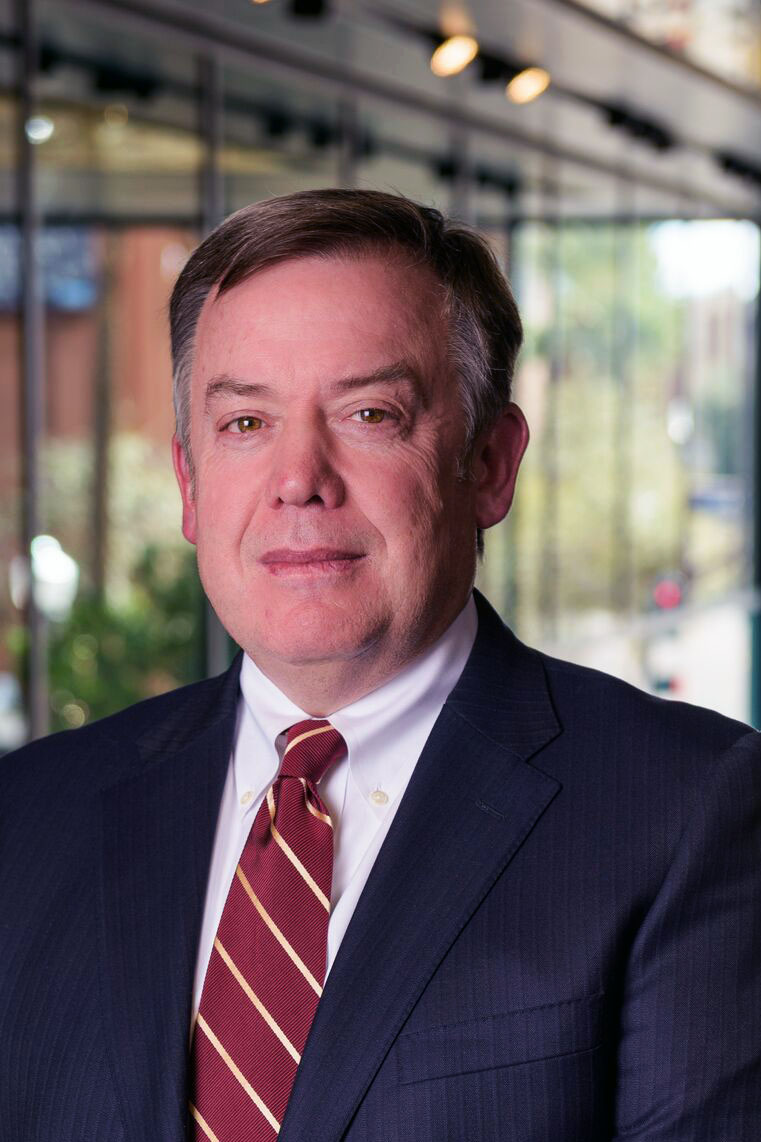
  1. Michael Crow: While many see the president of Arizona State University since 2002 as simply the leader of the state’s largest public university, some see him for what he really is — the unofficial king of Tempe, Arizona. Under his leadership, ASU campuses in Tempe and beyond have evolved into some of the most innovative public universities in the United States. His vision has not only significantly expanded ASU’s enrollment but also increased its impact on Arizona’s economy, workforce development and global reputation. Crow has championed university partnerships with local industries and governments, aligning ASU’s programs with Arizona’s economic needs in its technology, sustainability and health care sectors. In 2024 alone, the university reported a $6.1 billion impact on the Arizona economy. Beyond academia, Crow has been an influential voice in Arizona’s public policy, science and education reform. His forward-thinking leadership continues to shape the state’s educational and economic landscape, making him a key figure for the state’s continued growth and progress. 


  1. U.S. Sen. Ruben Gallego: Gallego became the first Latino to represent Arizona in the Senate after he was elected in November 2024. Gallego has sought to make a national impact since taking office and he spent considerable portions of 2025 travelling to Pennsylvania, Iowa and New Hampshire to support other Democratic candidates, engage with voters and discuss the issues facing the Democratic Party. The national spotlight has fueled rumors of a 2028 presidential run. His high-profile Senate committee assignments reflect his commitment to border security, energy, housing and Arizona’s veterans, ensuring he remains an influential voice within the national conversation on these important state and national issues. A U.S. Marine Corps combat veteran, he has advocated for Medicaid expansion, veterans’ issues and protecting the state’s water supply throughout his legislative career.


  1. U.S. Sen. Mark Kelly: Not to be confused with his twin brother and astronaut Scott Kelly, Arizona’s senior senator has made his own meteoric rise through the Democratic Party after first being elected to the Senate in 2020. Briefly rumored to be Kamala Harris’s 2024 running mate, Kelly was a key bipartisan voice in the $52 billion CHIPS and Science Act in 2022 that brought many microchip manufacturing jobs to Arizona. He has now set his sights on congressional reforms, including banning stock trading by members of Congress and ending corporate political action committees.


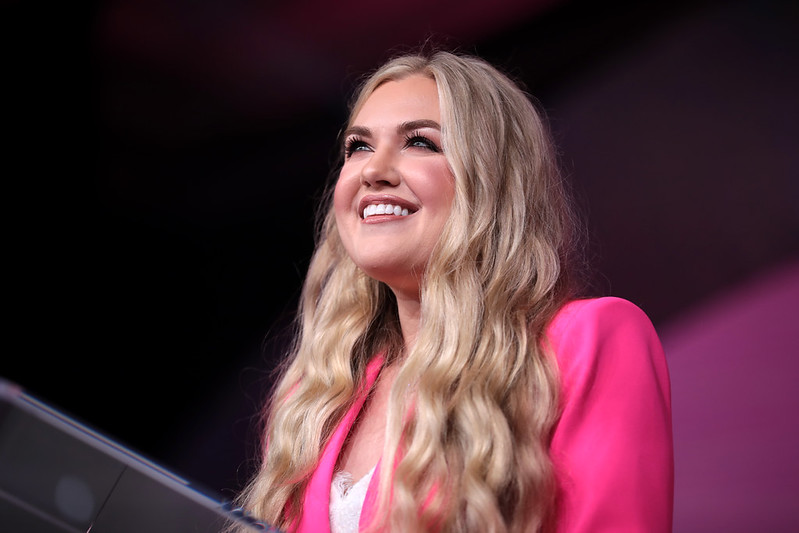
  1. Erika Kirk (Gage Skidmore/Flickr)

    Erika Kirk: Kirk has emerged as an influential figure in Arizona following the death of her husband, Charlie Kirk. After his assassination, she was unanimously appointed CEO and chair of Turning Point USA, one of the most influential conservative youth organizations in the country. Her leadership now carries not only political significance but also emotional and symbolic weight as she steps into the public eye amid national attention and personal loss. A former Miss Arizona USA raised in Scottsdale, Erika Kirk has long-standing ties to the state. Her influence is rooted not just in politics, but in faith-based media, where she has built a platform around Christian values and conservative messaging. With Turning Point’s national headquarters based in Phoenix, her leadership places Arizona at the center of a growing youth political movement. She is now seen as a unifying and strategic voice for a major segment of conservative America.


  1. Charlie Kirk (Gage Skidmore/Flickr)

    Charlie Kirk (posthumously): Republican candidates and conservative activists in Arizona who align with the youth-MAGA/Turning Point ecosystem still benefit from the network that Charlie Kirk helped build. Kirk’s work, as founder of Turning Point USA, a nonprofit that advocates for conservative politics on high school, college and university campuses, helped propel young conservative and Christian students at Arizona’s universities to mobilize, register and debate in favor of conservative politics and has played an undeniable role in solidifying Arizona as an important battleground state for national political debate. That influence has forced Democrat and moderate campaigns across the state to rethink their political strategy to account for this new, highly mobilized Republican base. And while the dynamic has changed since Kirk’s passing, the institutional momentum he created through youth chapters, activist culture and voter registration drives has only been emboldened by a new symbolic memorialization of his politics and character among his supporters. 


  1. (Gage Skidmore/Flickr)

    Kimberley Yee: Approaching eight years as head of the Treasurer’s office, Yee has maintained steadfast control while growing the state’s cash reserves. Since being elected in 2018, she has doubled assets under management to $30.2 billion from $15.4 billion. She oversaw a record high in total distributions, boasting $6 billion since taking office. Under her tenure, she’s also seen the Permanent Land Endowment Trust Fund increase by about $4 billion. Yee was the first Chinese American Republican woman to win statewide office, the first Asian American woman elected to the Arizona Legislature and the second woman to serve as Senate Majority Leader. Now, Yee looks to lodge a challenge against incumbent Superintendent Tom Horne.


  1. (Gage Skidmore/Flickr)

    Sen. T.J. Shope: Shope, R-Coolidge, sponsored one of the few bills passed into law on June 30 that sought to address two of the state’s biggest issues — water conservation and housing development. The Ag-to-Urban legislation, which garnered bipartisan support, will allow farmers to sell agricultural land and the accompanying water rights to developers to boost the state’s housing supply and preserve groundwater. Shope, who serves as chair of the Senate Natural Resources committee, has been a vocal advocate for the Colorado River negotiations and for ensuring Arizona isn’t shortchanged during the discussions. 


  1. Sen. Jake Hoffman: As chairman of the Senate Director Nominations Committee and the Arizona Freedom Caucus, Hoffman, R-Queen Creek, has emerged as one of the most influential Republicans in the Legislature. Hoffman’s leadership of the nominations committee has put him at odds with Democratic Gov. Katie Hobbs. The committee has rejected several of Hobbs’ agency director nominees, although more were approved this past session. As Freedom Caucus chair, Hoffman has recruited and endorsed a number of Republican candidates for state and national offices and wields considerable influence within the party.


  1. Rep. Julie Willoughby: After being appointed by the Maricopa County Board of Supervisors to the Statehouse to replace expelled lawmaker Liz Harris in 2023, Willoughby, R-Chandler, has quickly climbed the ranks of the House GOP caucus. When House lawmakers were running out of time to address a funding shortfall for the Division of Developmental Disabilities this year, Willoughby was among the lawmakers advocating for Arizonans who depended on the program, going against a House GOP proposal that was vetoed by the governor and working with House Democrats to find a solution just days before funding expired. Willoughby is now running for the state Senate next year and has positioned herself as one of the most influential lawmakers at the Legislature.


  1. U.S. Rep. Andy Biggs: With eight-years of experience in a deep-red Congressional District 5, Biggs officially jumped into Arizona’s gubernatorial race earlier this year. The congressman quickly picked up an endorsement from Trump and the late leader of Turning Point USA, Charlie Kirk. Biggs is a former leader of the Congressional Freedom Caucus and a member of the powerful House Judiciary and Oversight Committee. He also brings state legislative chops to the table, having served in the Legislature for 14 years, including as Senate President for four of those years. 


  1. U.S. Rep. Yassamin Ansari: Arizona’s youngest representative in Congress is already having an impact in D.C. Ansari was named the president of the House Democratic freshman class at the beginning of the 119th U.S. Congress after she narrowly emerged from Arizona’s 2024 Democratic primary race for its third Congressional district by just more than 40 votes. The former Phoenix vice mayor is the youngest woman in Congress and the first Iranian American Democrat in the U.S. House. Ansari, a member of the House Natural Resources Committee and the House Oversight Committee, has stood staunchly opposed to the Trump administration’s immigration policy with surprise oversight visits to Immigration and Customs Enforcement detention facilities, calling for better living conditions for detained individuals. 


  1. Rep. Gail Griffin: One of the Capitol’s worst-kept secrets is that no water policy gets through the Legislature without Griffin’s seal of approval. The chairwoman of the House Natural Resources, Energy and Water Committee has held the role in various forms since her career as a state lawmaker began in 1997 and she has frustrated both Democrats and Republicans seeking a bipartisan update to Arizona’s rural groundwater law. Griffin, R-Hereford, has long opposed Active Management Areas in the state and has advocated for alternative solutions, which she says give rural communities greater local control and flexibility over groundwater management, but she has presented a roadblock to the governor’s efforts to regulate groundwater pumping in rural parts of the state.


  1. Terry Goddard: Goddard serves as president of the Central Arizona Project board, which sets taxes and policies for the canal system that brings Colorado River water to homes throughout the state. A power player in negotiations over future use of the Colorado River, Goddard — a former Phoenix mayor, two-term attorney general and three-time gubernatorial candidate, is an unwavering advocate for Arizona’s future.


  1. Gina Swoboda: Swoboda stepped into the role of Republican Party chair in 2024 to help deliver the state to President Donald Trump and increase GOP seats in the Arizona House and Senate. The party turned out to be the greatest swing state margin for Trump and raised $20 million, with the majority of the money used to directly contact voters. Trump endorsed Swoboda in her original bid for party chair and in her reelection, and she also received support from state and federal lawmakers. In July, Swoboda was hired by the state House of Representatives to help craft elections policy after working in the Arizona Senate as an elections consultant, where she served for three legislative sessions.


  1. Regina Romero: Tucson’s first Latina mayor may have started her mayoral career in 2019, but she is no amateur. She spent nearly 20 years on the Tucson City Council — the first woman to ever hold the position. She has been an advocate for progressive policies in Tucson, supporting affordable housing projects and serving as the co-chair of Mayors against Illegal Guns. Having won reelection in 2023, Romero has gained traction within the Democratic Party and was the only mayor invited by the White House in 2024 during former President Joe Biden’s administration to join a federal delegation in Mexico for the inauguration of Mexico’s President Claudia Sheinbaum.


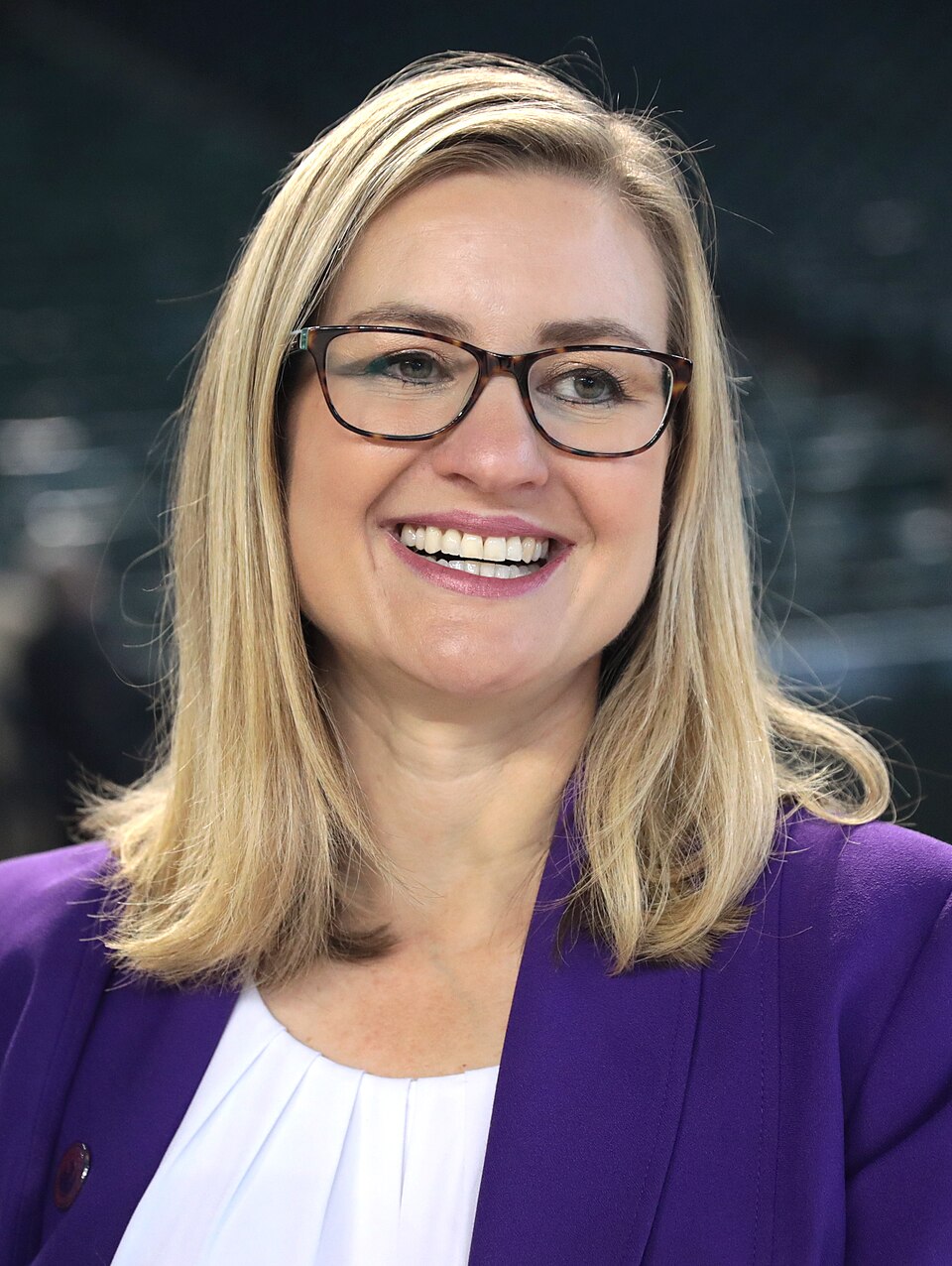
  1. Kate Gallego: Gallego, the mayor of Phoenix, has represented city residents for more than a decade. After first being sworn in to the city council in 2014, she became the city’s second female mayor in 2019 and has served in the position for more than half a decade. Gallego has set a goal to make Phoenix the most sustainable desert city in the U.S. She has led efforts to build electric vehicle charging infrastructure throughout the city and established an Office of Heat Response and Mitigation to address the extreme summer temperatures that residents face. Gallego pushed back this year against lawmakers who wanted to fund renovations at Chase Field to keep the Arizona Diamondbacks in town and helped negotiate the final version of the bill.


  1. Thomas Galvin: The new chairman of Maricopa County Board of Supervisors has made his mark as the leader of the nation’s fourth most populous county. Elected chairman in January, Galvin announced ambitious goals, including bringing back the Arizona Coyotes after the NHL team left for Utah in 2024. Fed up with the nation routinely waiting for word on the county’s vote tally on presidential election nights, Galvin has also helped lead Republican efforts to change state law to deliver faster election results. He also spearheaded a nearly $500,000 independent review of the county’s election processes and procedures to address complaints of recent election administration from 2020 and 2022.


  1. Tom Buschatzke: As director of the Arizona Department of Water Resources, Buschatzke serves as the state’s chief negotiator on Colorado River guidelines and the protector of its water supply. Buschatzke started his career in water as an intern in the department he would eventually lead, and is now a widely-respected policy expert who can be found taking part in every meaningful conversation about Arizona water. Most recently, Buschatzke has used his authority to enact groundwater pumping restrictions in rural areas, create new active management areas in dwindling basins and usher in new state laws allowing farmland to be converted for residential use. 


  1. John Boelts: As president of the Arizona Farm Bureau, Boelts is a leading voice in groundwater management policy discussions for rural areas. Last session, he supported a measure from Sen. Tim Dunn that would’ve imposed a series of restrictions intended to preserve groundwater in Gila Bend, Hualapai Valley and the Willcox Groundwater Basin. Boelts has advocated for policies that strike a balance between establishing conservation measures to preserve groundwater and ensuring property owners’ water-use rights. He is also a generational farmer who owns Desert Premium Farms in Yuma. 


  1. Lea Márquez Peterson: Márquez Peterson is the longest-serving member of the Arizona Corporation Commission and the only statewide elected official who resides in southern Arizona. She became the first Hispanic woman in a statewide position after Gov. Doug Ducey appointed her to the commission in 2019. Now in her final term, Márquez Peterson wants to increase transparency and awareness of the commission’s work, which primarily revolves around regulating the state’s major public utility companies. When she finishes her tenure, Márquez Peterson will no doubt be recruited by Republicans to run for any number of high-profile seats at the state or federal level.


  1. Nick Ponder: Ponder, the senior vice president for governmental affairs at HighGround Public Affairs Consultants, has emerged as an authority on two of the state’s most pressing issues — groundwater and affordable housing. As a lobbyist representing the League of Arizona Cities and Towns, he testified on the proposed Arizona Starter Homes Act. Ponder also represented rural counties and cities in discussions on groundwater management policy.


  1. Danny Seiden: As president and CEO of the Arizona Chamber of Commerce and Industry, Seiden has tirelessly worked to bolster the state’s economy and businesses. Seiden brings a public policy background to the role, having served as former Gov. Doug Ducey’s deputy chief of staff after helping run his 2014 gubernatorial campaign. Seiden is a familiar face at the Arizona Capitol, where he can often be found chatting with lawmakers and testifying on legislation impacting the business community. Most recently, Seiden and his team at the Arizona Chamber of Commerce helped ink a deal for stadium upgrades to the Arizona Diamondbacks’ Chase Field.


  1. Stephen Roe Lewis: A strong voice for Arizona’s tribal communities, the Gila River Indian Community governor has helped find solutions for long-standing issues facing the community. Lewis helped organize the opening of a managed aquifer recharge site, which has helped the community secure access to water and serves as a key cultural identity achievement. He’s prioritized youth educational opportunities and veteran support, and he was one of Arizona’s 2020 presidential electors. Lewis is in his third term as governor and serves as the National Congress of American Indians’ secretary.


  1. Brenda Burman: Burman leads the Central Arizona Project as its first female general manager where she is tasked with sustainably managing the 336-mile canal system that distributes Colorado River water to Arizonans. In 2017, Burman became the first female commissioner of the U.S. Bureau of Reclamation after previous water policy roles in the U.S. Department of the Interior, The Nature Conservancy and U.S. Sen. Jon Kyl’s office. She is also an attorney with experience in Native American water rights, making her a strong asset for Arizona’s water policy community.


  1. Sandra Watson: Watson is the president and CEO of the Arizona Commerce Authority, a state agency dedicated to bringing companies, jobs and capital to the state. She is one of the state’s longest-serving agency heads, having been appointed to her role when the ACA was created in 2011. Watson and the ACA have been credited with helping Arizona become a semiconductor manufacturing hub, bringing countless jobs and investments to the state.


  1. Tom Savage: Lawmakers have grown accustomed to seeing Savage in the halls of the House and Senate for nearly a decade. Savage, who joined the League of Arizona Cities and Towns as a legislative associate in 2016, now serves as the League’s legislative director and represents cities at the Capitol for a wide range of issues. Before joining the League, Savage worked as a House staffer and helped research policy issues for the Agriculture, Water and Lands, and Energy, Environment and Natural Resources committees.


  1. Jen Marson: As executive director of the Arizona Association of Counties, Marson’s expertise encompasses property taxes, elections, public records, criminal justice, law enforcement, justice, superior courts, education and then some. Her experience working in multiple government jurisdictions makes her the go-to person to take the stand at any number of committee hearings for counties across the state. As a certified election office, Marson has fought against election mistrust and misinformation for years. She continues to be recognized for her work, having won the Arizona Capitol Times’ Best Government Lobbyist award two years in a row. 


  1. Buu Nygren: A self-described carpenter, public servant and father, Nygren has spent the past two years constructing a better future for Arizona’s tribal communities as the president of the Navajo Nation. But his tenure has not been without problems, he faced a recall petition but a Navajo Nation investigation cleared Nygren of the accusations. Despite the investigation, his long term vision and steady commitment to his people did not falter. He is one of the more powerful and influential cultural and political leaders in the state. His priorities include access to water, modern infrastructure, affordable housing, and a thriving economy for tribal lands. To that end, Nygren was instrumental in negotiating with Hopi and San Juan Paiute leaders to secure a historic water rights settlement between the tribes. He also made clever use of the American Rescue Plan Act to secure more than $500 million in funding for infrastructure projects. A steadfast defender of Navajo sovereignty, he has worked to protect tribal lands from the transportation of uranium from the Pinyon Plain Mine south of the Grand Canyon. 


  1. Arizona Supreme Court Justice Clint Bolick: Bolick, first appointed to the court in 2016 by Gov. Doug Ducey, fought an effort to remove him from the bench over his vote to keep a statewide abortion ban in place. Despite a coordinated and funded campaign against his candidacy, Bolick kept his seat with 58% of the vote. He continues to advocate for an independent judiciary and further civic education on the state’s judicial retention system, especially as the race attracts more political and campaign interest each year. Before ascending to the state’s high court, Bolick served as the vice president for litigation at the Goldwater Institute and as the president and general counsel for the Alliance for School Choice, where he advocated for school choice, private property rights, freedom of speech and federalism. 


  1. (Gage Skidmore/Flickr)

    Arizona Supreme Court Justice Maria Elena Cruz: Cruz, the newest member of the Arizona Supreme Court, brings a wealth of experience from rural Arizona and is the first Latina and Black justice to serve on the court. Cruz started her career as a prosecutor at the Yuma County Attorney’s Office, pivoted to criminal defense, and then worked in family and criminal law as a solo practitioner. She has worked as a judge pro tem for the Cocopah Indian Tribe, as a superior court judge and as a presiding judge in Yuma County. Before her ascent to the state high court, she served on the Arizona Court of Appeals for eight years. Hobbs chose Cruz in January after a lengthy nomination process, slotting her to fill the vacancy left by former Chief Justice Robert Brutinel. 


  1. (Gage Skidmore/Flickr)

    Karrin Taylor Robson: After a loss in the 2022 Republican gubernatorial primary, Robson has continued her fight to become Arizona’s governor. Robson is an attorney and land use consultant who has dabbled in lobbying and public service, including a stint on the Arizona Board of Regents. For the 2026 gubernatorial primary, she rebranded from an old-guard Republican backed by critics of President Donald Trump to a “MAGA” darling with the president’s endorsement. Robson is hoping her self-funded campaign war chest and lifelong conservative values are enough to make her Gov. Katie Hobbs’ challenger next year.


  1. Andy Gaona: As the governor’s go-to outside counsel and a leading election attorney in the state, Gaona has sparred in court over election contests in 2020 and 2022, served as the go-to voice on campaign finance, ballot access and the inner workings of elections, and drafted and defended a host of voter initiatives over the past 10 years. He waded into and successfully defended the statewide initiative to enshrine a right to abortion, a measure to legalize marijuana and the funding fix for Arizona schools under Proposition 123. He continues to serve as a partner at Coppersmith Brockelman, where he co-leads the election and political practice with the governor’s former general counsel, Sambo “Bo” Dul. 


  1. (Photo by Jon Willey/Arizona Diamondbacks)

    Ken Kendrick: Kendrick, a Paradise Valley resident, is more than just a baseball fan, he’s Arizona’s MVP for anything related to the Arizona Diamondbacks. Kendrick has played a pivotal role in intergovernmental relations between the state’s premier professional baseball team and its government. He was pivotal in negotiating a bill that authorized up to $500 million in public funding for stadium renovations, effectively securing the team’s future in the state and establishing an enormous tax base for Phoenix residents. Moreover, through the Ken Kendrick Grand Slam Awards and the Arizona Diamondbacks Foundation, Kendrick has contributed significantly to Arizona philanthropy, providing nearly $2 million in funding to Arizona nonprofits between 2024 and 2025. His work to renovate youth sports fields in places like Arcadia and South Mountain, and his work in the Give Back Jersey Program to supply Diamondbacks-themed apparel and uniforms to thousands of young athletes in Arizona, have both contributed significantly to the health and well-being of Arizona’s youth sports leagues. 


  1. Rick Smith: Smith, the founder and CEO of Axon, has solidified his status as an influential leader of one of Arizona’s most prominent companies. Axon is known for developing the Taser, body cameras and other safety technology. The homegrown company flexed its lobbying muscles last session when a ballot referendum threatened to derail the construction of its global headquarters in north Scottsdale. Smith rallied with dozens of employees and worked with lawmakers to garner support for a bill that would allow the company to complete the project. He accomplished his goal when Gov. Katie Hobbs signed a law that cleared a path for the company to proceed with its plans. 


  1. (Gage Skidmore/Flickr)

    Michael Bidwill: Following the death of his father in 2019, Bidwill has worked to keep ownership of the Arizona Cardinals in the Bidwill family. He took over as the team’s president in 2006 and helped create State Farm Stadium in Glendale, which has brought an economic surge to the area and hosted multiple Super Bowls and large events, including the 2025 Memorial for Charlie Kirk and Taylor Swift’s Eras Tour in 2023. With an estimated net worth of $1.4 billion, Bidwill has taken an interest in engagement with the NFL and has held various committee roles, including the league’s Conduct Committee and the Player-Owner Committee. In 2016, he was inducted into the National Football Foundation Leadership Hall of Fame.


  1. Jenny Clark: As founder of Love Your School, a multi-state school choice advocacy and support organization, Clark continues to be the first line of defense in strengthening, growing and defending school choice options in the state. Her main focus continues to be the Empowerment Scholarship Account program, with resources and one-on-one support for families to sign up, obtain disability diagnoses, and secure funding for the child to attend private school or create a tailored homeschool option. But her work does not end there. She’s assisted families with disabilities in navigating the public school system and in obtaining tax credit scholarships through School Tuition Organizations. She served on the State Board of Education from 2022 to 2025, appointed by former Gov. Doug Ducey. 


  1. Marisol Garcia: Garcia leads the premier labor union for more than 22,000 Arizona public school educators and has continually gone to the mat for all school employees at the local, state and federal levels. During her tenure as president of the Arizona Education Association, Garcia has transformed the union into a more visible, organized presence in political battles and public school education advocacy. Garcia has pushed for paying all school employees through the continuation of Proposition 123, a school funding measure relying on the state land trust fund. She’s fought for educators in her own district, the Isaac Elementary School District, amid a financial crisis. And she, of course, leads the charge in securing additional funding for schools across the state while fighting against what she calls “unfunded mandates”— education policies without a proper fiscal note. Garcia was first elected as Arizona Education Association president in 2022 and was reelected in May 2025. 


  1. John Ward: Ward, executive director of Empowerment Scholarship Accounts at the Arizona Department of Education, assumed responsibility for a program hurtling toward a $1 billion price tag, with 91,000 enrollees and growing. Prior to his current role, Ward served as the chief auditor for the department and a manager at the Arizona Auditor General’s office. He’s continued to walk a tightrope, ensuring no misspending of state funds while maintaining enough flexibility for families — a dance that continues to bring him equal doses of praise and criticism from state school choice advocates and program participants. 


  1. Tammy McLeod: While some plant seeds to grow trees, McLeod, through her leadership of the Flinn Foundation, plants seeds that grow industries. She has remained a mobilizing and industrious philanthropist in Arizona’s higher education community for almost a decade. McLeod has led Arizona’s bioscience sector to tremendous growth in funding, wages and jobs. Her work on the Flinn Foundation’s Arizona Bioscience Roadmap, which sets the state’s strategy for fostering growth in the industry, created the blueprint for the last decade of growth in Arizona’s bioscience community. Moreover, her work to update that roadmap for implementation in 2025 will set the course for the billion-dollar industry through the next decade. 


  1. Elizabeth S. Chatham: While some make their names by who they attack, others make theirs for who they protect. The latter is the case for Chatham, Arizona’s premier immigration attorney, community leader and diversity advocate. Named one of the “Most Influential Women in Arizona Business” by AZ Big Media in 2025, Chatham has built a legacy in Arizona through her legal work for Fortune 500 companies, startups, universities and more. She has dedicated herself to helping the state’s at-risk populations navigate complex U.S. immigration laws, including visa card applications, green card strategies, naturalization and more. Chatham’s work bridges the gap between Arizona’s government and its immigrant communities, and her legal expertise has made her an influential figure in Arizona’s business and political communities. 


  1. Jessica Nuñez (Via Facebook.com)

    Jessica Nuñez: While many would crumble and fall in the face of family tragedy, Nuñez proves that some are still willing to stand up and fight for what they know is right for their family. Nuñez rose to prominence in Arizona in 2024 and 2025 through her advocacy work after her teenage daughter, Alicia Navarro, went missing in 2019. While Navarro resurfaced four years later, her disappearance lit a fire under her mother. Even after their reunion, Nuñez’s powerful message of “never lose hope and always fight” resonated widely across the nation, prompting new calls for support for neurodivergent youth, missing children, online safety and mothers in advocacy. 


  1. Monica Villalobos: Villalobos brings people, data and power together. As CEO of the Arizona Hispanic Chamber of Commerce, she’s a strong advocate for Hispanics across the state. And she’s not just a figurehead. Villalobos is actively shaping Arizona’s economic landscape by working with government leaders and co-chairing key committees, like the one that helped Gov. Katie Hobbs build her administration. Through the Chamber’s annual DATOS report, she gives business and political leaders clear insight into the growing power of Arizona’s Hispanic market. She’s also a connector, building bridges between communities, companies and policymakers. With deep roots in both business and academia, she’s actively using her platform to open doors for others. 


  1. Robin Reed (posthumously): Reed earned his reputation by who he elevated. As CEO of the Black Chamber of Arizona, he worked tirelessly to open doors for Black-owned businesses, pushing for real access to funding, partnerships and opportunity across Arizona. He didn’t just talk about equity — he rolled up his sleeves and worked to build it. Reed’s influence reached far beyond business. He mentored leaders, advised nonprofits, and sat on boards that shaped Arizona’s education and community development. He was a key figure in bringing the state together across racial, class and industry lines. He always focused on how to make Arizona stronger and more inclusive. What made him truly powerful wasn’t just his resume — it was his character. People listened to Reed because he spoke with wisdom, led with heart, and always followed through. 

Fontes says candidates can use campaign cash for personal security

Key Points:
  • Arizona’s secretary of state OK’s use of campaign funds for personal security expenses
  • Arizona law does not provide specific guidance on security spending
  • Politicians are on high alert after recent acts of political violence

Arizona Secretary of State Adrian Fontes says he will not open campaign finance complaints against candidates who use campaign funds for personal security in the wake of increased political violence. 

Since Turning Point USA founder Charlie Kirk was shot dead on Sept. 10, Arizona’s elected officials and candidates have been grappling with the potential threat to their own safety. According to an undated memo obtained by the Arizona Capitol Times, several potential officeholders have reached out to Fontes’ office to inquire about using campaign funds for security.

“Unfortunately, personal security has become a necessary part of running for and holding elected office,” Fontes wrote in the memo.

As a result, Fontes said his office will not open complaints or refer any alleged violations for enforcement based on campaign expenditures made for personal security for candidates or their families. Fontes noted in the memo that spending campaign funds on security is not expressly prohibited by state law, but it isn’t explicitly addressed either.

The move highlights the growing need for caution among candidates and a gray area in Arizona’s campaign finance laws.

Arizona’s politicians have already been adjusting to a new reality in the wake of Kirk’s death and the death of Minnesota state Rep. Melissa Hortman and her husband earlier this year. Gov. Katie Hobbs’ office has stopped sharing press conference locations without an RSVP, while Republicans and Democrats at the Legislature have requested increased security at the Capitol. 

Some of Arizona’s top leaders, like Hobbs, Senate President Warren Petersen and House Speaker Steve Montenegro, are entitled to a Department of Public Safety security detail due to the high-profile nature of their offices. However, other elected officials and candidates do not receive that protection and must rely on alternative security measures.

Sen. Shawnna Bolick, R-Phoenix, is no stranger to political threats against her and her family. She is married to Arizona Supreme Court Justice Clint Bolick, and said the two have become well-acquainted with the risks of holding public office in recent years.

Bolick said she and her husband used their personal funds to purchase security cameras for their home in 2021 after both received death threats during the 2020 election. In 2024, when the state Supreme Court upheld Arizona’s territorial abortion ban and the Legislature repealed it, the Department of Public Safety offered to provide security to their home and encouraged them to install even more security cameras.

“In the past, we’ve obviously used our own resources to install cameras and I think it’s a great idea for us to be able to allow candidates who are running for office to utilize the campaign finance laws in order to address our personal security for our family,” Bolick said.

While Fontes’ memo is “a very good starting point,” Bolick said she thinks legislation may be necessary to outline what is and isn’t appropriate security spending, ensuring that bad actors don’t take advantage of the guidance.

“If it’s not clearly defined how you want to secure yourself, you might have members who think this is a good time to go out and buy a bunch of firearms or attack dogs or something silly,” Bolick said.

The Citizens Clean Elections Commission, which oversees public funds given to candidates who do not take money from special interest groups, also indicated its support for using Clean Elections funds for campaign security at its Sept. 25 meeting. Clean Elections Director Tom Collins told commissioners that he believes candidates would not be violating the commission’s rules with those expenditures. Still, more guidance is needed in the form of legislation to address issues like in-kind contributions and allowable expenditures.

Hobbs’ campaign declined to comment on security measures, while candidates for other statewide offices did not immediately respond to requests for comment. Whether candidates dip into their campaign coffers to pay for personal security will be revealed in campaign finance reports submitted to the Secretary of State’s Office in the coming weeks. 

In the meantime, Bolick said she has provided guidance to her fellow lawmakers about how she protects her personal safety on her own dime. That includes using a post office box as her campaign address and not publicly posting locations for campaign events. 

“We’re going to have fewer people that want to run for office if we don’t actually clearly outline how you can protect your family while you’re running for office or while you’re serving our state and our community,” Bolick said. 

Rep. Nguyen’s bill aims to make political killings a capital offense

Key Points:
  • Head of House Judiciary Committee aiming to make political assassination capital offense
  • Rep. Quang Nguyen wants to deter targeting people for political beliefs
  • Lawmakers often float ideas before bills can be filed on Nov. 17

The head of the House Judiciary Committee is crafting legislation to make political assassination a capital offense.

Rep. Quang Nguyen said he wants to deter anyone who would target people for their political beliefs. The Prescott Valley Republican said while it was the shooting death of political activist Charlie Kirk that spurred the idea, he said such legislation is necessary to prevent similar attempts on others in Arizona, regardless of where they are on the political spectrum.

He also told Capitol Media Services his legislation is crafted so that even unsuccessful attempts result in an automatic life sentence without the possibility of parole.

Separately, Senate President Warren Petersen wants lawmakers to approve a measure renaming a major freeway in and around Phoenix after Kirk. He said it will ensure “his legacy lives on.”

But in a press release — Petersen did not return repeated messages — the Gilbert Republican who is running for attorney general also inserted a religious component. He said renaming the freeway goes beyond honoring Kirk and is “a call for each of us to press on in faith, to live courageously for Jesus, and to stand firm in the principles Charlie so boldly championed.”

Neither of those is actual legislation, at least not yet. Bills for the 2026 session cannot be filed with the House or Senate clerk’s office until Nov. 17.

None of that, however, keeps lawmakers from floating ideas before then. And Nguyen said he already has approached House attorneys to help craft his measure.

The more far-reaching proposal — at least as relates to law and order — is the proposal about punishment for political assassinations.

Nguyen said he’s not looking to craft an entirely new law. Instead, he wants to add the fact that a killing was carried out for political purposes to the list of things that jurors can consider when deciding between a life sentence and the death penalty.

Under Arizona law, what might be called an ordinary murder does not make the perpetrator eligible for execution. Instead, jurors must find one or more “aggravating circumstances.”

These already include things like murder for hire, whether the victim was a peace officer, prior murder convictions and whether there was premeditation. There even is a provision for “premeditated and deliberate” murder of any elected or appointed official or candidate for office.

Nguyen, however, said something more is needed, something that covers anyone — public official or not — who is targeted based on political beliefs.

“In this country, you should be able to speak freely,” he said. And that, said Nguyen, includes Kirk.

“This is now not just an attack on Charlie Kirk,” he said. “And it is an attack on the American institution.”

Conversely, Nguyen said his legislation will cover only what prosecutors — and, ultimately, jurors — determine is a killing over political beliefs.

So, for example, he said, his legislation would not have applied in the case of murdered Arizona Republic newsman Don Bolles who died in 1976 after a bomb was placed under his car. In that case, the motive for the murder was to stop him from investigating real estate deals.

Nor, Nguyen said, would it apply if someone were to target him for assassination based on the fact that he is Vietnamese — or even his religion.

“If I’m a Catholic, which I am, and I said ‘I’m a Catholic’ and somebody shot me, that is not a political statement,” he said. “That is religiously being discriminated.”

This, he said, is different.

“If I speak about freedom and I speak about supporting President Trump and I’m speaking about recruiting young voters to become conservative and I’m being assassinated, that is clearly politically motivated,” Nguyen said.

So how does someone’s motive get ascertained?

“Criminals are not very bright,” said Nguyen. And he said they often leave behind other clues, including writings, website postings and even conversations with others.

“This is a necessity I see to deter bad guys from doing this stuff to both parties, Democrats and Republicans,” he said.

All that, he acknowledged, is based on the assumption that a death penalty or life imprisonment is enough to dissuade would-be shooters. And that presumes that some assailants are looking to make a statement and, in some cases, assume they are going to get killed in the attack.

“You can’t fix stupid,” Nguyen said. But he said if it prevents just one out of every 10 attacks, the proposal has served its purpose.

What Petersen is proposing, by contrast, is not based on deterrence but the argument there’s a reason to put Kirk’s name on the roadway which runs for 78 miles from central Phoenix, out to the eastern edge of Mesa and then circles back around through Chandler and back into the west side of Phoenix.

“Through God’s grace, by renaming this highway we can ensure that his name, his mission, and his witness to the gospel will endure for generations to come,” Petersen wrote in his press release. “Even in the midst of sorrow, God’s Word reminds us that hope endures.”

Merits of the measure and the political component aside, there may be legal issues.

Most notably, Arizona law declares that it is the State Board on Geographic and Historic Names that has purview, not only on what certain features like mountains and rivers are called, but also whether to put names on highways and “designate the most appropriate and acceptable names and spelling of these names for use in maps and other governmental documents.”

In fact, it was that board that voted in 2019 to designate the last 22-mile stretch of Route 202 as the Ed Pastor Freeway. That is the official name, with signs erected to that effect by the Department of Transportation.

“The intention is not to remove that name,” said an aide to Petersen. However, she did not explain how it would coexist with the Senate president’s proposal, dubbed the Charlie Kirk Memorial Loop 202.

And there’s something else.

That law — the one that gives the naming power to the state board — specifically says it cannot commemorate anyone “until that person has been deceased at least five years.”

The board has ignored that requirement in the past, as it did in 2003 when it renamed a mountain and a Phoenix freeway that runs adjacent to it in honor of Lori Piestewa. That year, she was the first Native American woman to die in combat while serving in the U.S. military and the first woman in the U.S. military killed in the Iraq War.

In that case, however, some other circumstances may have resulted in board approval.

Both the mountain and freeway had been named Squaw Peak, a name that then-Gov. Janet Napolitano — who appointed most of the board members — said is offensive to many tribes.

A spokesman for Gov. Katie Hobbs, asked about both measures, said his boss does not comment on bills she has not yet seen.

Charlie Kirk, Gabby Giffords, and the cost of political violence

Matt Kenney

Charlie Kirk’s assassination represents more than the heartbreaking loss of a young life. It is a grim signal that our democracy is showing dangerous fractures. As someone who shared the same Christian faith, conservative values and affection for our country as Charlie, calling the news of this attack “shocking” does not begin to capture the impact of this tragedy.

The work that Charlie did, fueled by the love and gratitude he had for our country, will not cease. Through the passion he had to reach, engage and challenge the youth of America — across the political spectrum — he has shifted the political landscape. His legacy and his movement will live on.

In a free society, disagreements are meant to be resolved with ballots, debates and persuasion — not bullets. When political violence enters the arena, it doesn’t just take lives. It takes legitimacy. Citizens begin to question whether our leaders are chosen through democratic consent or through intimidation and fear.

We in Arizona know this all too well. It was just over a decade ago when Congresswoman Gabby Giffords was shot while meeting with constituents in Tucson. That attack shocked the nation and stood as a reminder that words matter — and that toxic rhetoric can embolden unstable individuals to commit acts of violence. Now, the assassination of Charlie Kirk shows that the threat has not receded. It has grown.

Violence rarely emerges in isolation. It takes root in the language we use. For years, our politics has been drenched in rhetoric that dehumanizes the other side — calling opponents “enemies,” “traitors,” or worse. When you convince people their neighbors are not just wrong but dangerous, you make violence thinkable. In that environment, it only takes one unstable individual to act on the message.
We’ve seen this story before. In Germany’s Weimar Republic, in the America of the 1960s, and in fragile democracies worldwide — leaders who fail to denounce dehumanization watch their countries slide toward chaos. The pattern is depressingly familiar: outrage leads to threats, threats give way to bloodshed, and faith in democratic institutions collapses.
The death of Charlie Kirk must not become another step on that road. Leaders in both parties — indeed, all citizens — must recommit to the basic truth that political opponents are not enemies of the state, but fellow Americans. We can fight for our ideas without stripping each other of our humanity.

As a combat veteran, I’ve seen what happens when politics breaks down and disputes are settled with violence. It’s not a future we should invite into our own country.

The choice before us is clear: either we treat this tragedy as another excuse to escalate our rhetoric, or we treat it as the line in the sand where we say enough.

Democracy depends not just on laws and elections, but on a shared agreement: that no matter how fierce our disagreements, we will not kill each other over them.

If we can’t agree on that, we will lose far more than one political activist. We will lose the republic itself.

Matt Kenney is a combat veteran of the U.S. Army and the former executive director of the Arizona Republican Party.

Arizona leaders condemn death of Turning Point USA founder Charlie Kirk

Key Points:
  • Arizona officials condemn assassination of Charlie Kirk
  • Kirk, a prominent conservative activist, was shot at a Utah event
  • Authorities have released images of a person of interest; no arrest has been made

Arizona’s political community condemned the assassination of Turning Point USA founder Charlie Kirk, who died after he was shot while speaking at a Utah Valley University event on Sept. 10. 

Kirk, a prominent Arizona conservative activist and the leader of Phoenix-based Turning Point USA, was speaking to a large crowd of people at a debate when he was shot in the neck. He later died from his injuries at a Utah hospital. A suspect was not immediately captured. 

This undated combination of images provided provided by the Federal Bureau of Investigation shows a person of interest in connection with the fatal shooting of Charlie Kirk at Utah Valley University on Wednesday, Sept. 10, 2025, in Orem, Utah. (Federal Bureau of Investigation via AP)

According to the Associated Press, investigators released two images of the suspected shooter and are appealing to the public for tips. As of Sept. 10, the unidentified suspect is believed to have jumped off a roof and fled into a neighborhood after firing one shot from a high-powered, bolt-action rifle. The weapon they believe was used in the attack has been recovered, and video recordings of the person they believe to be responsible are being reviewed.

Arizona government officials on both sides of the aisle responded after the shooting, offering condolences to Kirk’s family and condemning political violence. 

“I am deeply saddened by the news of the assassination of Charlie Kirk. I am saddened for Charlie’s family, friends, and Arizonans as they mourn his loss, and I am saddened for our country as our politics have descended into horrific violence,” Gov. Katie Hobbs said in a statement provided through her campaign. “This tragedy is not about who Charlie Kirk supported politically. It is about the devastating loss of a father, a neighbor, and an Arizonan who called this state home, and whose life was cut short by senseless violence.”

FILE – President Donald Trump shakes hands with moderator Charlie Kirk, during a Generation Next White House forum at the Eisenhower Executive Office Building on the White House complex in Washington, Thursday, March 22, 2018. (AP Photo/Manuel Balce Ceneta, File)

Senate President Warren Petersen, R-Queen Creek, reacted similarly in a post on X.

“I am absolutely shocked, sickened and outraged to hear about the passing of Charlie Kirk,” Petersen wrote. “Today was a dark day where evil was on full display. He was singular, indispensable and irreplaceable. America will not be the same without him.”

Kirk was a large figure in Arizona politics and TPUSA has been a driving force for the state’s Republican candidates in major elections over the past few years. Most recently, the group has thrown its weight behind U.S. Rep. Andy Biggs’ campaign in the Republican gubernatorial primary. 

“Charlie. My friend. I’m heartbroken. Rest now,” Biggs wrote in a post on X.

Former U.S. Rep. Gabby Giffords, who survived her own assassination attempt in Tucson in 2011, and her husband, U.S. Sen. Mark Kelly, both condemned the attack on social media.

“Democratic societies will always have political disagreements, but we must never allow America to become a country that confronts those disagreements with violence,” Giffords wrote on X. 

The outpouring of support continues from Arizona officials. 

Sen. Wendy Roger: “Charlie Kirk was a transformational force in America. This will be the beginning… as he looks down from Heaven on us & his family, who we must continue to love & support. I knew Charlie; he was a fighter. He died doing what he loved. He was always respectful, kind & intelligent. We will honor him & continue the fight as he would want.”

Arizona GOP Chair Gina Swoboda: “Prayers for Erika and her children as we grieve the loss of Charlie Kirk.” 

U.S. Sen. Ruben Gallego: “This is beyond terrible. Charlie Kirk was a husband, father, and son. Violence is never the answer. Sydney and I are keeping the Kirk family in our prayers.”

Secretary of State Adrian Fontes: “Our condolences are with Mr. Kirk’s family, his colleagues, his supporters, and all those affected by this senseless act. Let’s not retreat into silence or hatred, but rise above violence by recommitting ourselves to the democratic principles of civil engagement and mutual respect.”

U.S. Rep. Juan Ciscomani: “Laura and I join millions of Americans in mourning the horrific loss of Charlie Kirk. Charlie leaves behind a legacy of love of God, love of family, and love of country. He lit a fire that brought so many young Americans along with him, and his voice for conservative values echoed far beyond Arizona.”i

U.S. Rep. Greg Stanton: “The attack on Charlie Kirk is horrifying. I’m praying hard for him, and keeping his family in my thoughts. Political violence has absolutely no place in our country.”

U.S. Rep. Yassamin Ansari: “Horrific gun tragedies one after another. Charlie Kirk lost his life. Not even an hour later, a school in Colorado came under fire. Communities shattered. Lives changed forever. This is not normal and this is not acceptable. We cannot keep living like this.”

Former Gov. Doug Ducey: “America was blessed that Charlie Kirk walked this earth. He inspired young people to love our country in a way I’ve never seen in my lifetime. His passion for ideas, for debate and for Free Speech was infectious. We are all in shock and devastated. We pray for his wife Erika, his children and his family. Today’s assassination was an act of terrorism. Political violence isn’t the answer — and Charlie showed us that. May God rest his soul.”

Sen. Jake Hoffman: “The world will never truly understand the magnitude of the loss it suffered today. Charlie Kirk was one of the most fearless, patriotic, loving, God-fearing, brilliant men to ever walk this earth. Few compare. Charlie we love you dearly. You’re home with our Creator now.” 

Attorney General Kris Mayes: “Political violence is never the answer. I strongly condemn the horrific act of violence against Charlie Kirk. We may not all agree in this country but our ability to freely share and discuss our political beliefs is what makes us American.”

Kirk’s casket is to be flown back to Arizona from Utah aboard Air Force Two, according to The Associated Press. 

Conservative activist Charlie Kirk fatally shot at Utah college event

OREM, Utah (AP) — Charlie Kirk, a conservative activist and close ally of President Donald Trump, died Wednesday after being shot at a college event, Trump said.

The co-founder and CEO of the youth organization Turning Point USA, the 31-year-old Kirk is the latest victim in a spasm of political violence across the United States.

Authorities are still searching for suspect in the shooting death of Charlie Kirk, according to the mayor of Orem, Utah.

Charlie Kirk hands out hats before speaking at Utah Valley University in Orem, Utah, Wednesday, Sept. 10, 2025. (Tess Crowley/The Deseret News via AP)

Videos posted to social media from Utah Valley University show Kirk speaking into a handheld microphone while sitting under a white tent emblazoned with the slogans “The American Comeback” and “Prove Me Wrong.” A single shot rings out and Kirk can be seen reaching up with his right hand as a large volume of blood gushes from the left side of his neck. Stunned spectators are heard gasping and screaming before people start to run away. The AP was able to confirm the videos were taken at Sorensen Center courtyard on the Utah Valley University campus, where Kirk was scheduled to speak on Wednesday.

Kirk was speaking at a debate hosted by his nonprofit political organization. The event had been met with divided opinions on campus. An online petition calling for university administrators to bar Kirk from appearing received nearly 1,000 signatures. The university issued a statement last week citing First Amendment rights and affirming its “commitment to free speech, intellectual inquiry, and constructive dialogue.”

The crowd reacts after Charlie Kirk, the CEO and co-founder of the conservative youth organization Turning Point USA, is shot at the Utah Valley University Wednesday, Sept. 10, 2025, in Orem, Utah. (Tess Crowley/The Deseret News via AP)

Last week, Kirk posted on X images of news clips showing his visit to Utah colleges was sparking controversy. He wrote, “What’s going on in Utah?”

President Donald Trump and a host of Republican elected officials offered prayers for Kirk on social media.

“We must all pray for Charlie Kirk, who has been shot. A great guy from top to bottom. GOD BLESS HIM!” Trump posted on Truth Social.

The shooting comes amid a spike in political violence in the United States across all parts of the ideological spectrum. The attacks include the assassination of a Minnesota state lawmaker and her husband at their house in June, the firebombing of a Colorado parade to demand Hamas release hostages, and a fire set at the house of Pennsylvania’s governor, who is Jewish, in April. The most notorious of these events is the shooting of Trump during a campaign rally last year.

Former Utah congressman Jason Chaffetz, a Republican who was at the event, said in an interview on Fox News Channel that he heard one shot and saw Kirk go back.

“It seemed like it was a close shot,” Chaffetz said, who seemed shaken as he spoke.

He said there was a light police presence at the event and Kirk had some security but not enough.

“Utah is one of the safest places on the planet,” he said. “And so we just don’t have these types of things.”

Allison Hemingway-Witty cries after Charlie Kirk is shot during Turning Point’s visit to Utah Valley University in Orem, Utah, Wednesday, Sept. 10, 2025. (Tess Crowley/The Deseret News via AP)

Gabby Giffords, a former U.S. representative for Arizona who suffered a serious brain injury when she was shot in 2011, posted on X about the attack on Kirk.

“I’m horrified to hear that Charlie Kirk was shot at an event in Utah,” she wrote Wednesday. “Democratic societies will always have political disagreements, but we must never allow America to become a country that confronts those disagreements with violence.”

Turning Point was founded in suburban Chicago in 2012 by Kirk, then 18, and William Montgomery, a tea party activist, to proselytize on college campuses for low taxes and limited government. It was not an immediate success.

But Kirk’s zeal for confronting liberals in academia eventually won over an influential set of conservative financiers.

Law enforcement tapes off an area after Charlie Kirk, the CEO and co-founder of the conservative youth organization Turning Point USA, was shot at the Utah Valley University, Wednesday, Sept. 10, 2025, in Orem, Utah. (Tess Croewley/The Deseret News via AP)

Despite early misgivings, Turning Point enthusiastically backed Trump after he clinched the GOP nomination in 2016. Kirk served as a personal aide to Donald Trump Jr., the president’s eldest son, during the general election campaign.

Soon, Kirk was a regular presence on cable TV, where he leaned into the culture wars and heaped praise on the then-president. Trump and his son were equally effusive and often spoke at Turning Point conferences.


You don't have credit card details available. You will be redirected to update payment method page. Click OK to continue.