Sign In
Upcoming Event
 Free Newsletter

Wild horse decisions should be led by science
By Craig Downer//July 29, 2026//
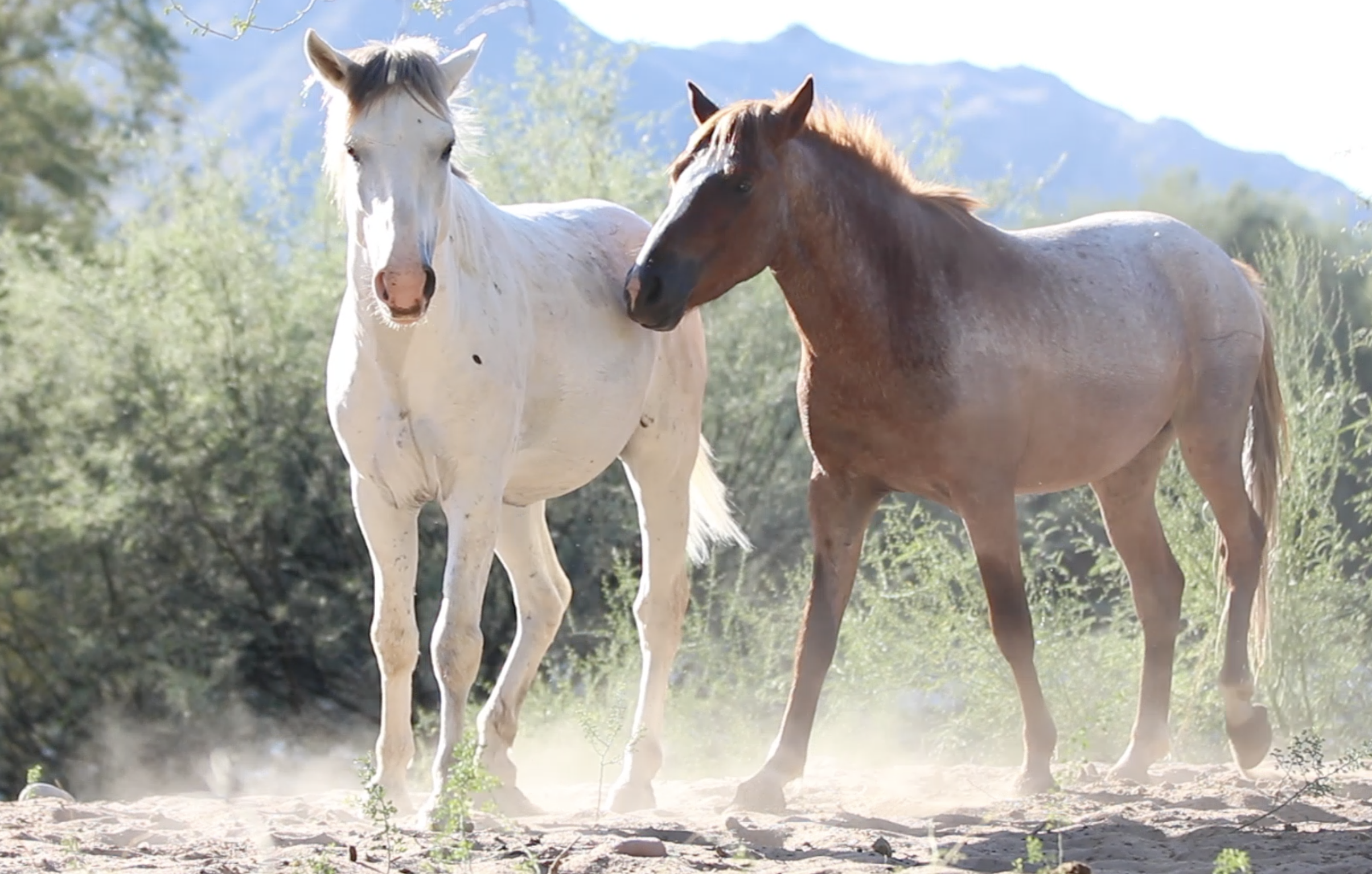
Authorities are investigating the slaughter of dozens of horses in the Apache-Sitgreaves National Forests in October. The Forest Service makes a distinction between wild horses, which are protected by law, and feral horses, which are not. (Photo by Megan Newsham/Cronkite News)
Wild horse decisions should be led by science
By Craig Downer//July 29, 2026//


Karen Schutte’s recent Arizona Capitol Times op-ed, “Arizona Should Not Manage Wild Horses by Straw Poll,” raises an important question that deserves serious consideration: How should public agencies establish population targets for free-roaming wildlife?
During my recent visit to Phoenix for the July 22 “Preserve the Herd – Follow the Science” rally, I spoke with citizens concerned that management decisions affecting the Salt River horses are moving forward without sufficient independent scientific review. Their concerns deserve serious consideration.
As a wildlife ecologist who has studied wild horse populations for decades, I believe management decisions affecting the Salt River horses should be supported by independent scientific analysis, transparent data, and a clear understanding of long-term population viability including a viable population’s year-round habitat needs.
Stakeholder participation is an important component of public-resource management. However, stakeholder preferences are not a substitute for scientific assessment. Population targets should be based on biological and ecological considerations, including genetic diversity, effective population size, age structure, reproductive success, mortality rates, habitat conditions and requirements, and long-term resilience.
When populations are reduced below sustainable levels, the consequences may not become apparent immediately. Loss of genetic diversity, increased vulnerability to disease, reduced adaptability, and population instability can emerge over time. Once genetic variation is lost, it is often difficult or impossible to restore.
Our challenge is to determine whether the goal we’ve set for the horse population is based on solid and thorough-going science and if it’s been reviewed by independent experts who understand how to conserve and manage wildlife and do not possess any serious conflicts of interest when it comes to the wild horses. We need to make sure that our plan is fair and makes sense, and that it’s been checked against the principles that guide conservation and wildlife management. This way, we can be confident that we’re making the best decisions for the horses and the environment. And we should take a comprehensive view of the effects, or impacts, of the naturally living horses, a “big picture” view both in space and in time.
Arizona’s Salt River horses are a unique and highly valued public resource. Decisions affecting their future should be transparent, scientifically defensible, and subject to independent review.
Public confidence is strengthened when agencies clearly demonstrate how management targets were established and how those targets are supported by the best available science.
Craig C. Downer is a wildlife ecologist and author who specializes in the mammalian order Perissodactyla, including all members of the horse, tapir and rhinoceros families.