Sign In


Upcoming Event
 Free Newsletter

Arizona can’t afford a decline in travel and tourism
By Jan Brewer//September 4, 2026//

Heat waves ripple across the tarmac at Sky Harbor International Airport as downtown Phoenix stands in the background as an airplane lands, Tuesday, June 20, 2017 in Phoenix. (AP Photo/Matt York)
Arizona can’t afford a decline in travel and tourism
By Jan Brewer//September 4, 2026//


For millions of Americans, credit card rewards make travel possible. Airline miles, hotel points, and other travel rewards help families afford vacations, visit loved ones, and explore destinations like Arizona. The proposed Durbin-Marshall credit card bill threatens these programs, putting at risk a powerful driver of travel demand.
If travel rewards are significantly reduced or eliminated, fewer people will fly, fewer visitors will choose Arizona, and the state’s tourism economy will feel the impact. That should concern every Arizonan because tourism is much more than a leisure industry, it is a cornerstone of our economy supporting jobs, generating tax revenue, and sustaining communities across the state.
Arizona’s visitor economy powers hotels, retail shops, golf courses, entertainment venues, transportation providers, and thousands of small businesses that rely on a steady flow of travelers.
The tourism industry generates nearly $29.7 billion in annual economic impact statewide, supporting more than 193,860 jobs and approximately $4.3 billion in state and local tax revenue. These are not abstract figures, they’re real people – hotel employees, restaurant workers, tour operators, small business owners, and families whose livelihoods depend on a strong and steady visitor economy.
That is why, as the former Governor of Arizona and a strong supporter of our thriving travel and tourism sector, I believe lawmakers should take a closer look at the unintended consequences of the proposed Durbin-Marshall credit card bill.
The legislation is intended to increase competition and reduce transaction fees, but airlines and travel industry leaders are warning the bill could mean the end of travel rewards programs and reduce travel demand. This means fewer trips, less spending, and fewer visitors arriving at our destinations and through aviation hubs.
For many families, travel is closely connected to credit cards rewards systems. Airline miles, hotel points, and cashback rewards are not luxuries, they are what make travel affordable and accessible to hardworking people. These programs help consumers book flights, visit loved ones, take vacations, and participate in the travel economy that supports our communities.
According to Airlines for America, frequent flyer miles funded trips for more than 647,000 domestic visitors to Arizona in 2024. Those travelers generated nearly $992 million in economic activity and supported approximately 8,900 jobs across the state.
If those rewards programs are threatened, the consequences will not only affect consumers. Businesses and workers throughout the state, and particularly those dependent on air travel will feel the impact.
Arizona’s ability to attract visitors relies heavily on the affordability and accessibility of travel, which these reward programs facilitate. Fewer travelers mean fewer hotel stays, fewer retail purchases, and fewer tourism dollars flowing into local communities. Even modest declines in visitation can create ripple effects across the broader economy. Reduced air travel directly impacts an airport’s ability to attract and sustain routes, ultimately adding to economic challenges.
When financial systems are disrupted, the burden often falls hardest on working families. Reduced consumer benefits can lead to higher fees, tighter access to credit, and fewer financial tools for households already managing rising costs.
Our industry and our state leaders have worked hard to build a tourism economy that creates opportunity and supports communities throughout the state. In fact, according to the AZ Office of Tourism, tax revenue generated by the tourism industry lessens the annual tax burden by $901 for every household.
Policies that risk weakening travel demand deserve careful scrutiny, particularly at a time when many businesses continue to navigate economic uncertainty.
We can pursue competition and consumer protection without undermining the systems that help power travel, tourism, and local economies.
At its core, protecting travel rewards is not about preserving credit card “perks.” It is about protecting the economic engine that creates jobs, supports local Scottsdale businesses, and ensuring the state’s tourism economy, fueled through vital air travel infrastructure, remains strong for the workers and families who depend on it.
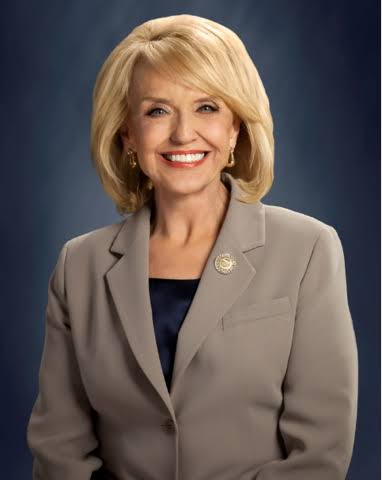
Jan Brewer, a Republican, is a former Arizona lawmaker and secretary of state who served as governor from 2009 to 2015. Reach her on X @GovBrewer.