Sign In
 Free Newsletter


Wheeling, recovering and exchanging water will help secure our future
The Central Arizona Project is one of the largest water projects in the country, delivering nearly 60 percent of Arizona’s share of Colorado River water to cities, farms, industries and Native American tribes in central and southern Arizona.

Investigation: EPA, state missed potential for mine blowout
Republicans say they're not satisfied with a U.S. Environmental Protection Agency claim that a 3-million-gallon toxic spill from an inactive gold mine was likely "inevitable," even though there had been prior warnings that such a spill could occur.
Groups to feds: Tighten mining rules in light of Animas River spill
Citing the release of millions of gallons of toxic wastewater into a southwestern Colorado river earlier this month, a coalition of conservation groups, two Arizona Native American tribes and two county governments petitioned federal agencies Tuesday to tighten mining regulation on public lands.

Summer heat, dying animals: Rural San Tan Valley residents deal with demise of water supply
Rural San Tan Valley area residents were left in a lurch late last month when a water utility shut off a standpipe they used to fill water tanks and hydrate their families, pets and homes.

Critics of carbon regulations using mine spill to skewer EPA
Authorities say rivers tainted by last week's massive spill from an abandoned Colorado gold mine are starting to recover, but for the Environmental Protection Agency the political fallout from the disaster could linger.
Arizona officials watchful, hopeful as EPA spill moves downstream
Arizona officials continue to monitor a massive spill of toxic sludge that is heading toward the Colorado River, but most were hopeful Tuesday that it will have little impact by time it reaches the state.

Officials downstream from Colorado mine spill demand answers
Local officials in towns downstream from where millions of gallons of mine waste spilled into a southwest Colorado river are demanding answers about possible long-term threats to the water supply.

Less Than Zero: Despite decades of accepted science, California and Arizona are still miscounting their water supplies
Drawing groundwater from near a stream can suck that stream dry. In turn, using all the water in streams and rivers lessens their ability to replenish the aquifers beneath them. Yet California and Arizona -- the two states water experts say are facing the most severe water crises -- continue to count and regulate groundwater and surface water as if they were entirely separate.

Lake Mead surface water level dips to new record low
Federal water managers let the closely watched and regulated surface level at Lake Mead go to a new record low overnight, before guiding it back above a crucial drought shortage trigger point.
When discussing Arizona’s economic future, add water
If you want to glimpse the future of a city or state, all you need to do is look at how it’s managing its water supply.
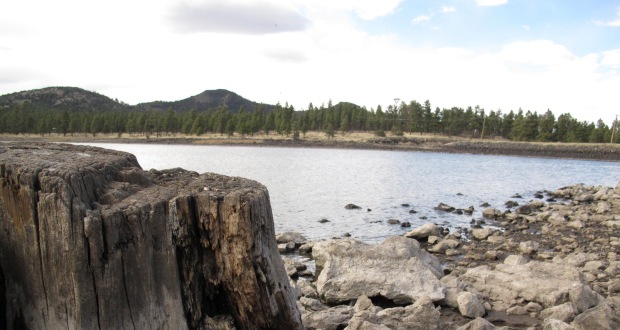
Arizona town near Grand Canyon runs low on water
WILLIAMS ai??i?? In the northern Arizona city of Williams, restaurant patrons don't automatically get a glass of water anymore. Residents caught watering lawns or washing cars with potable water can be fined. Businesses are hauling water from outside town to fill swimming pools, and building permits have been put on hold because there isn't enough water to accommodate development.

Legislative fixes to water crisis still elusive
House Speaker Andy Tobin said water legislation is at the top of Arizona’s priority list for next year, but a solution to the state’s impending water crisis is as elusive as ever.