Sign In


 Free Newsletter

Arizona’s energy reality is changing. The SRP election will shape what comes next.
Autumn Johnson, Guest Commentary//March 24, 2026//
(Pexels)
Arizona’s energy reality is changing. The SRP election will shape what comes next.
Autumn Johnson, Guest Commentary//March 24, 2026//



Arizona’s electricity system is entering a period of rapid change, and the decisions made in the next few years will determine whether the state can maintain affordable, reliable power while continuing to grow. Demand is rising from both population growth and large new industrial users, including data centers. Meeting that demand will require significant investment in generation, transmission and grid infrastructure, all of which will ultimately be paid for by customers.
At the same time, the range of practical resource options is narrowing. Water constraints continue to limit traditional thermal generation. Air quality requirements are tightening in Maricopa County. Natural gas infrastructure is facing delays, including constraints on pipeline capacity and long lead times for turbines. New nuclear generation is not a near-term solution, with development timelines extending well beyond a decade. These constraints mean that decisions about what to build, how quickly to build it, and who pays for it are becoming more complex and more consequential.
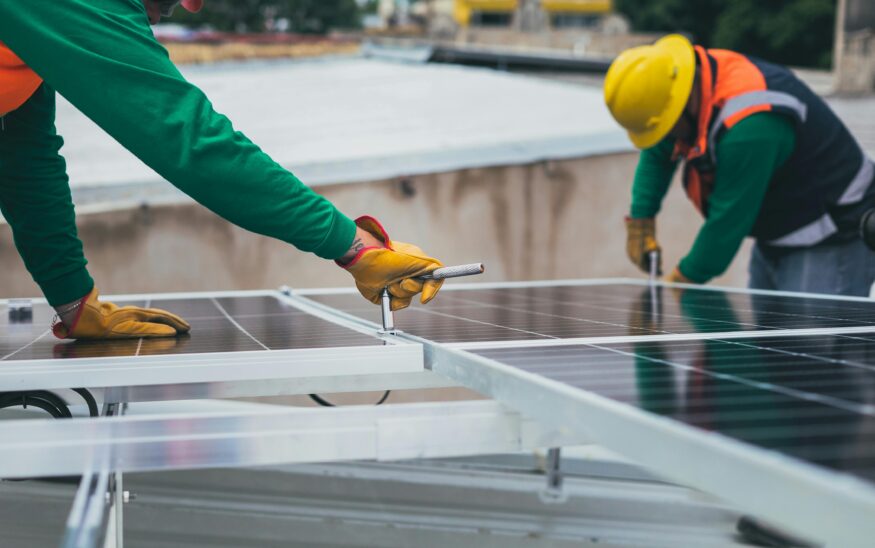
Clean energy resources, particularly solar paired with storage, are increasingly central to navigating these realities. They can be deployed more quickly than many alternatives, do not rely on water for cooling, and avoid many of the fuel supply challenges affecting other generation types. They also offer a path to managing long-term cost exposure in a system that will require substantial new infrastructure to meet demand.
One of the entities responsible for making these decisions is the Salt River Project (SRP). As one of Arizona’s largest utilities, SRP determines how new demand is met, how infrastructure is built, and how costs are allocated among customers. Its board makes decisions about resource planning, capital investments and rates without oversight from the Arizona Corporation Commission. Those decisions directly affect affordability, reliability and Arizona’s ability to support continued economic development.
The composition of that board is being decided through the upcoming SRP election. The structure of the election is unusual, with voting limited to landowners within the district and participation requiring voters to request a ballot by March 27 ahead of the April 7 election. Turnout is historically low, which means relatively small shifts in participation can influence outcomes in ways that would not occur in a typical election.
This year, the election has also attracted attention from outside political and financial interests. Turning Point is running a slate of candidates for the SRP board, backed by Arizonans for Responsible Growth, a political committee that has indicated it plans to spend approximately $500,000 in the race. The group has identified corporate backers tied to large commercial energy users, including data center interests that will rely on how SRP chooses to meet growing demand.
Turning Point’s involvement is not occurring in a vacuum. The organization has been explicit about expanding its political footprint in Arizona, and this election presents an opportunity to test messaging, build infrastructure, and engage voters ahead of future statewide races, including the gubernatorial election. That raises an additional concern about whether this election is being used as a proving ground for political ambitions rather than a forum for thoughtful utility governance.
The question for voters and policymakers is whether the individuals making decisions about Arizona’s energy system are prepared to navigate the constraints and tradeoffs ahead. Resource planning now requires an understanding of deployment timelines, permitting realities, system reliability and long-term cost impacts. It also requires balancing the needs of large commercial users with the interests of residential customers who ultimately bear many of the costs.
There is a clear contrast in this election. A slate of candidates focused on clean energy, affordability, and responsible long-term planning is also running. These candidates are prioritizing cost-effective resource deployment, managing growth in a way that protects residential customers from unnecessary cost shifting, and aligning investment decisions with what can realistically be built in Arizona in the near term. Voters can review these candidates and their positions at https://srpcleanenergy.org, and those priorities are well aligned with the challenges the state is facing.
Affordability, reliability and economic development are closely linked at this moment. If infrastructure does not keep pace with demand, reliability risks increase. If investments are poorly planned or delayed, costs rise. If resource choices do not reflect real-world constraints, both households and businesses will feel the impact.
Autumn Johnson is the CEO of Tierra Strategy and an energy attorney and consultant, focused on Arizona energy policy. She can be reached at autumn@tierrastrategy.com.