Sign In
Upcoming Event
 Free Newsletter

Arizona’s HB 2917 would eliminate a valuable law enforcement tool
James Edelstein, Guest Commentary//April 7, 2026//
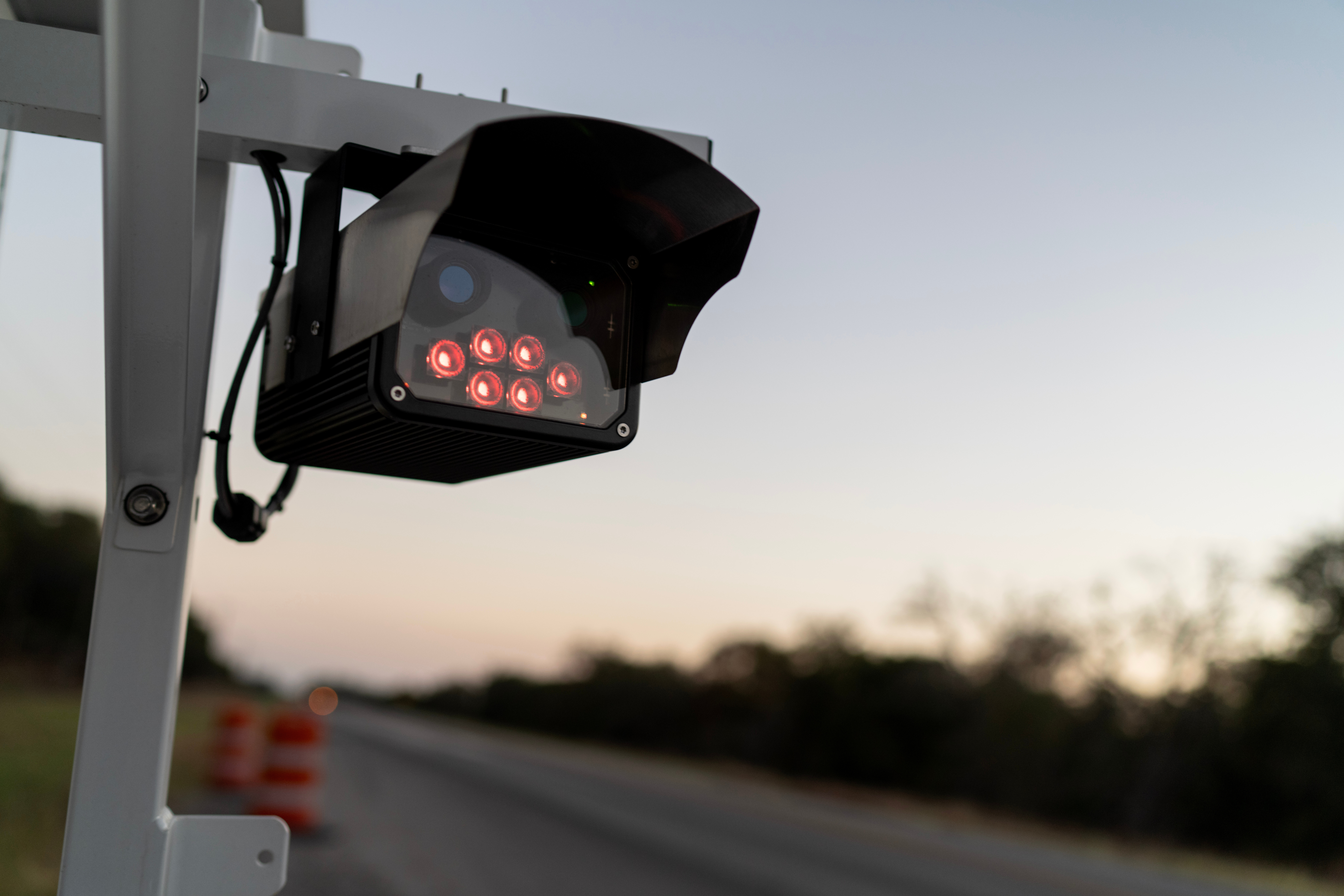
A license plate reader stands along the side of a road, Wednesday, Oct. 15, 2025, in Stockdale, Texas. (AP Photo/David Goldman)
Arizona’s HB 2917 would eliminate a valuable law enforcement tool
James Edelstein, Guest Commentary//April 7, 2026//


On June 27, 2024, Prescott Valley Police Department Officers stopped a driver who was impaired by alcohol and drugs, had alcohol and drugs in her car, and whose 12-year-old son was a passenger. This driver had a warrant for manslaughter for failing to appear in court for a separate case in Pinal County where she was charged with killing someone in a crash while she was driving impaired. This stop was only possible because our license plate reader (LPR) captured a photo of her license plate, linked it to the warrant, and alerted our officers. Had she not been apprehended she could have caused another serious collision.
Since then, our department has located offenders, missing persons, and vulnerable children and adults thanks to LPR. Our department does not use LPR without oversight. Our policy requires each LPR search to be done with a case or incident number, justification, audits of LPR use, and training.
Arizona House Bill 2917 would restrict LPR so much that it would render the technology virtually useless as an investigative tool. Requiring a search warrant would flood courts with thousands of warrants every day, disallowing retroactive searches would make the system useless for criminal investigations, and requiring deletion of photos three minutes after they are taken would delete photos before most crimes are reported. Proponents of the bill have cited concerns about “government surveillance” as their reason, although courts have repeatedly ruled that there is no expectation of privacy in a public place, much less a roadway. Most recently, the 5th Circuit Court of Appeals held that individuals have no reasonable expectation of privacy in their vehicle’s location on public streets, and that use of LPR does not violate any citizen’s privacy (US v. Porter, No 25-60163).
We are all being tracked by the apps on our phones. That data, rather than being used to stop criminals or protect the vulnerable, is used by private companies for product marketing, determining new retail locations, and other patterning for profit. If the genuine issue is a fear of improper surveillance, why don’t proponents of this bill fight against this use of our location information and instead focus on the legitimate use of photos taken on a public roadway to serve victims and rescue missing people?
Are supporters of this bill prepared to see crime rates increase, solved cases decrease, and missing folks go unfound due to a fear of “surveillance?” The bill’s broad definition of government surveillance could be interpreted to include any government-owned camera. Imagine body camera footage and cameras in public spaces being subjected to deletion requirements in three minutes, search warrants to look at the data, and no retroactive searches? Public spaces like airports and parks would be a criminal’s new favorite place to commit a crime.
LPR is not only used to stop criminals. It is also a critical tool for locating vulnerable people in crisis. On September 24th, 2024, an elderly man went missing who had several medical conditions. We used LPR to locate his vehicle and facilitate its entry into the silver alert system. He was found the next day by the Arizona Department of Public Safety in another community. He required immediate medical attention and was taken to the hospital. If not for his vehicle’s photo on LPR, he may have died. We could not have identified his vehicle without LPR.
I ask our elected officials to carefully consider the impact of requests to tie the hands of law enforcement agencies’ use of LPR. The passage of Arizona House Bill 2917 will make Arizona less safe.
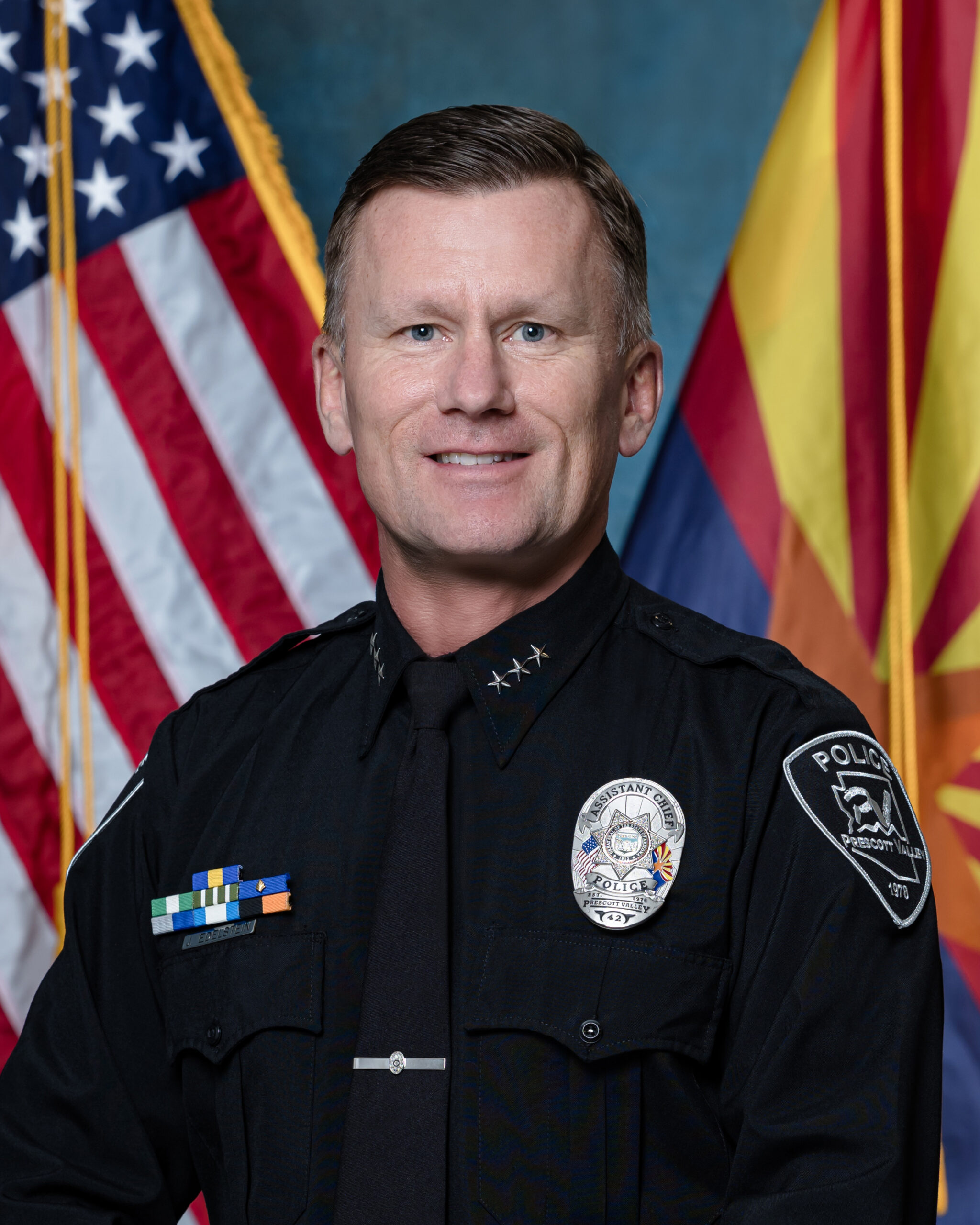
James Edelstein is an Assistant Chief with the Prescott Valley Police Department and has been in law enforcement since 1995.