Sign In


 Free Newsletter

Moving special education to HHS is a step backward for students with disabilities
Christopher Tiffany, Guest Commentary//June 26, 2026//
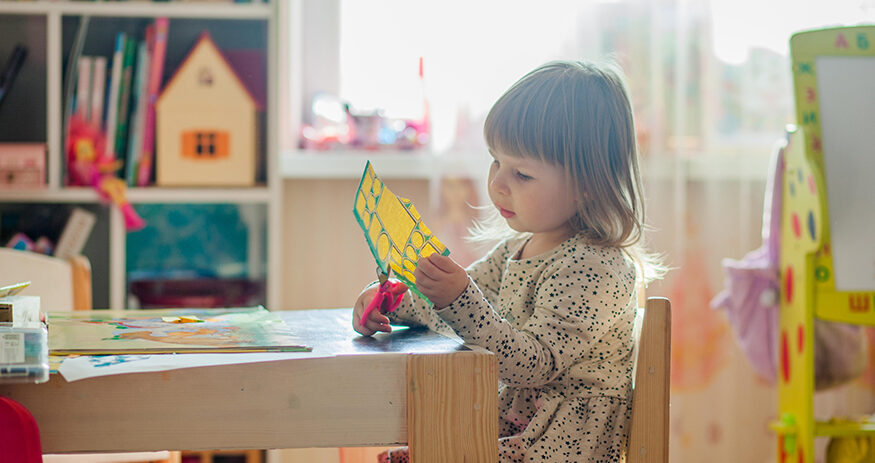
(Photo by Pexels)
Moving special education to HHS is a step backward for students with disabilities
Christopher Tiffany, Guest Commentary//June 26, 2026//


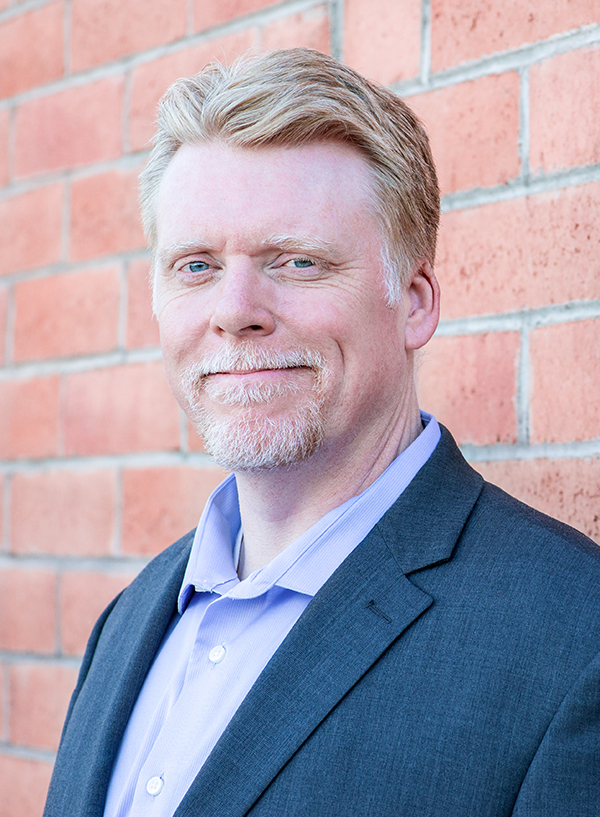
Over the past twenty years, as a special educator, as a father, and through my work alongside thousands of Arizona families, I have learned that disability does not define a person’s worth or potential. Expectations matter. Inclusion matters. Belonging matters.
That is why I am concerned by the federal government’s decision to move the Office of Special Education and Rehabilitative Services from the U.S. Department of Education to the Department of Health and Human Services.
The long-term implications remain unclear, but this move represents more than a bureaucratic reorganization. It reflects a philosophy that risks moving our country away from viewing people with disabilities as students, neighbors, workers, friends, family members, and citizens and back toward viewing them primarily through a medical lens.
Special education is not healthcare.
Healthcare is essential, and many children with disabilities rely on medical and behavioral support. The Disabilities Education Act is not a medical program. It is a civil rights law grounded in the belief that children with disabilities belong in classrooms alongside their peers and deserve the opportunity to learn, grow, and contribute to society.
Healthcare and education are partners, but they serve different purposes. Improving coordination between the two systems is a worthy goal, but coordination does not require relocation.
Families know the current system is imperfect. I know that both professionally and personally. Parents often struggle to navigate complicated processes, and schools and families sometimes find themselves in conflict. Those realities deserve honest acknowledgment. But the answer is to strengthen the educational framework, not move away from it.
For decades, disability advocates, self-advocates, families, and policymakers have worked to move our nation beyond viewing people with disabilities primarily as patients to be managed. We have embraced a different vision, one rooted in inclusion, self-determination, and community participation.
In Arizona, approximately 90% of the state’s 200,000 students with disabilities are educated in public schools under IDEA. For these children and families, school is more than a service delivery system. It is where children learn alongside their peers, where communities learn that differences enrich us all, and where society begins to realize the promise that every person has value and belongs.
I see that promise every day, and I see it in my own son.
At nineteen years old, he is not a diagnosis or a collection of deficits to be managed. He is a son, a friend, and a young man with strengths, dreams, and inherent dignity. Like every person, he deserves to be valued and included.
People with disabilities are not problems to be solved. They are sons and daughters, brothers and sisters, friends and neighbors. They are classmates, coworkers, and citizens. They belong, not on the margins of society, but at its heart.
For nearly fifty years, our nation has been moving, sometimes imperfectly and often unevenly, toward that vision. We should be careful not to lose sight of it now.
Because the measure of a society is not how well it manages disability. It is how fully it embraces the humanity, dignity, and belonging of every person.
Christopher Tiffany is a special educator, father of a young adult with intellectual and developmental disabilities, and executive director of Encircle Families, an Arizona nonprofit that supports parents and caregivers of people with disabilities.