Sign In
Upcoming Event
 Free Newsletter

Blue states file lawsuit over ‘narrow’ Medicaid work requirement exemption
Stephanie Akin, Pluribus News//June 29, 2026//
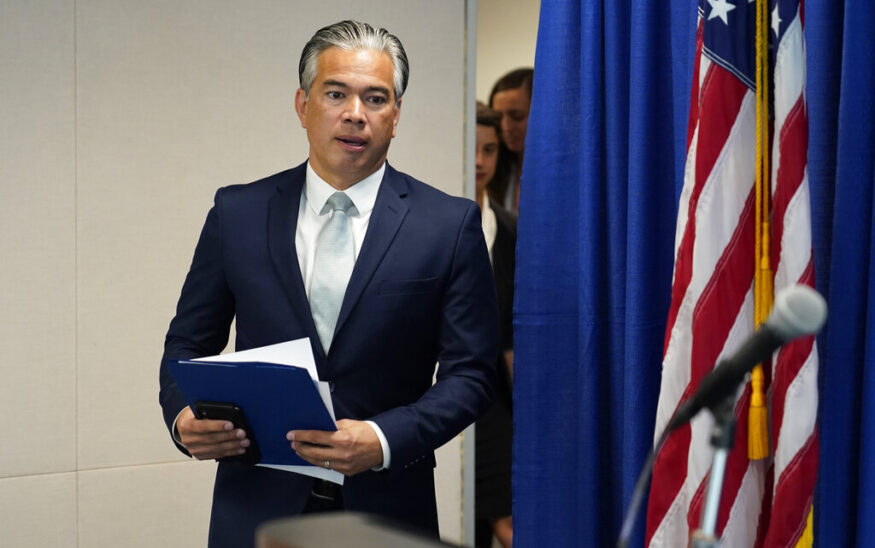
California Attorney General Rob Bonta makes his way to the podium before the start of a news conference in San Francisco, Wednesday, Sept. 14, 2022. (AP Photo/Eric Risberg)
Blue states file lawsuit over ‘narrow’ Medicaid work requirement exemption
Stephanie Akin, Pluribus News//June 29, 2026//


Key Points:
-
Coalition of 24 attorneys general sues Trump administration
-
Lawsuit challenges federal rule limiting Medicaid work exemptions
-
The lawsuit seeks to block the rule and ultimately have it struck down
A coalition of 24 attorneys general, including Attorney General Kris Mayes, and two governors sued the Trump administration on Monday to block a federal rule limiting exemptions to a new federal Medicaid work requirement.
The directive issued in June would “dramatically narrow” exclusions for medically vulnerable people under the One Big Beautiful Bill Act and sow “harm and chaos” in the states by forcing them to scuttle expensive and complex plans they had spent months devising based on regular communication with federal officials, the lawsuit filed in the U.S. District Court in Massachusetts alleges.
“States had already made substantial investments relying on the plain language of the law and CMS’s prior guidance and now face the risk of harsh financial penalties for noncompliance with the Medicaid work requirements interim final rule,” Colorado Attorney General Phil Weiser said in a statement.
“The interim final rule creates administrative burdens and unnecessary red tape that put eligible people at risk of losing their health coverage — including those who are already working or qualify for an exemption.”
State officials have received regular presentations and guidance from the Centers for Medicare and Medicaid Services throughout the year outlining how they would be expected to implement the new work requirements established by Congress in the Big Beautiful Bill, the lawsuit alleges. The official directive took them by surprise with an additional hurdle that was not in the statutory language.
While the Big Beautiful Bill mandated that most adults enrolled in Medicaid work or participate in qualifying activities for at least 80 hours a month, CMS adopted a restrictive definition of who could claim an exemption because of “medical frailty.”
Read More: Guidance stirs fear of larger health insurance losses
The new rule would require enrollees to prove that their medical condition prevents them from working. That test was not included in the Big Beautiful Bill.
“People with serious illnesses or disabilities already face major challenges in their daily lives — they shouldn’t also have to worry about losing their healthcare because of work requirements or related barriers,” California Attorney General Rob Bonta said. “That was Congress’s will, and it must be respected.”
The work requirement begins on Jan. 1, 2027, but states are required to begin notifying beneficiaries by Aug. 31. The short runway doesn’t provide enough time for states to request changes through the federal rulemaking process, the lawsuit alleges. It asks for the rule to be blocked and ultimately struck down.
Bonta, Massachusetts Attorney General Andrea Joy Campbell and New Jersey Attorney General Jennifer Davenport are co-leading the lawsuit. They are joined by Weiser and the attorneys general of Arizona, Connecticut, Delaware, the District of Columbia, Hawai‘i, Illinois, Maine, Maryland, Michigan, Minnesota, Nevada, New Mexico, New York, North Carolina, Oregon, Rhode Island, Vermont, Virginia, Washington and Wisconsin, as well as the governors of Kentucky and Pennsylvania.