Sign In




 Free Newsletter
Arizona missed an opportunity to take a leap forward on kids online safety
By Yvette Santana//August 4, 2026//
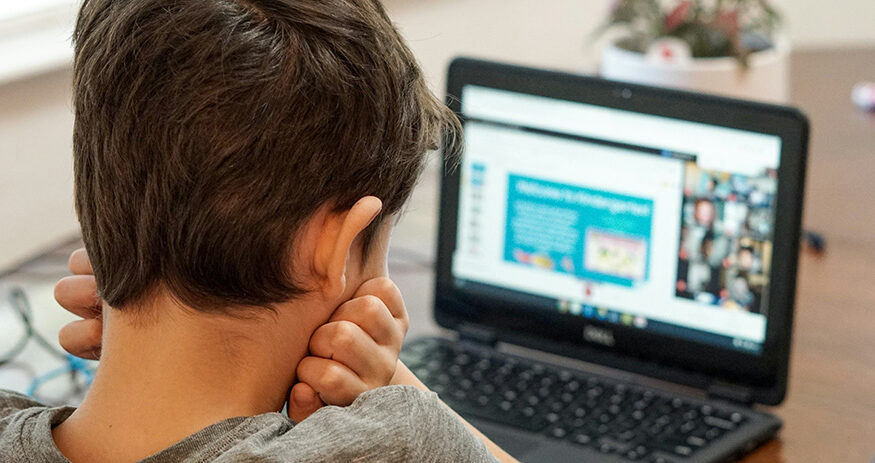
In this photo illustration, a student works on an assignment in an online classroom. (Photo by UnSplash)
Arizona missed an opportunity to take a leap forward on kids online safety
By Yvette Santana//August 4, 2026//



As an elementary school counselor, I have the opportunity every day to work with kids who are still learning about social interaction. The students I interact with are in the earliest stages of forming empathy, learning how to build relationships, and understanding how their words and actions affect others. These are critical skills that will shape the adults they become, but I fear that much of that development has shifted online.
With the rise of social media, kids now have more access than ever before to interact with one another without face-to-face contact. Because of this increasingly digital world they are growing up in, we’ve seen upticks in bullying and mental struggles rooted in feelings of isolation that go unnoticed because they aren’t being observed in the real world. That has meant that conflicts that once ended at the school bell can now follow kids home and, perhaps even more disturbingly, can be dealt with through conversations with chatbots that blur the line between real relationships and simulated ones.
For a moment, it looked like Arizona was ready to do something about it. Our state Legislature passed a bill to ensure tech companies do their part to protect kids, with widespread, bipartisan support. The effort marked a genuine turning point, and then Gov. Hobbs vetoed it.
The veto stopped real progress in its tracks. House Bill 2311 recognized that these tools are powerful and, if allowed to operate without guardrails, can shape kids’ behavior and development in ways that they are not equipped to navigate on their own. At the same time, it came with the understanding that too many restrictions risk chilling the innovation of a technology that is quickly becoming a common part of how people learn and communicate.
HB 2311 took the right approach by not trying to turn back the clock on this evolving technology, but by creating common-sense protections for minors who use them. Under the bill, it would have been clear to kids from the start that they are not interacting with a human. When they logged in, they would be notified that they were chatting with artificial intelligence, and as they continued, that notification would appear at regular intervals to ensure it was not forgotten.
The demeanor of these conversational chatbots would have been heavily regulated, too. They would not have been able to show kids inappropriate content or give responses that prompt any form of emotional or romantic attachment. The bill even ensured that when users display signs of a mental health crisis, chatbots would be equipped with appropriate responses and resources to direct them to the support they need.
With the governor’s veto, all of that progress was set aside. Because of that decision, we go another year without the protections youth need, and while I understand that the governor has her reasons, weighing in at the final moment instead of throughout the process has left our state’s children without safeguards.
For the students I work with, policy decisions like these are not abstract. They directly shape how they can learn and connect with one another, both online and in the real world, for years to come. Our legislature was willing to lead, but our governor failed to follow suit. Now, as we approach the 2027 legislative session, I hope to see them take that lead once again.
Dr. Yvette Santana is an elementary school counselor in Chandler.