Sign In


 Free Newsletter

Parents want a comprehensive approach to youth mental health
Caroline Carney, Guest Commentary//October 24, 2025//

Deposit Photo
Parents want a comprehensive approach to youth mental health
Caroline Carney, Guest Commentary//October 24, 2025//


As parents, we can disagree on a lot of things — bedtimes, when to give our kids their first phone, and how much to intervene in their social lives. But most of us in Arizona and across the country agree on this: our young people are struggling, and we need a comprehensive approach to supporting their mental health.
New research from the Coalition to Empower our Future — an organization I help lead — shows that more than three in four Arizona parents and voters want to see a comprehensive approach to solving the youth mental health challenge, rather than one that specifically targets access to phones.
In conversations with the coalition, parents note that this comprehensive approach is necessary because of the multitude of factors that impact youth mental health and the uniqueness of each child. An overwhelming majority — 94% — of parents and voters agree that simply acknowledging the fact that every young person’s mental health experience looks different could help improve youth mental health and wellbeing.
As a parent and a clinician, I can’t emphasize this idea enough: every child’s experience is unique. While symptoms of distress are common, the pathways from wellbeing to crisis are many. We must center this notion in every conversation about supporting youth mental health.
The need for this conversation is urgent. Across the country, two in five high schoolers say they feel persistently sad or hopeless, and one in five has seriously considered attempting suicide. Here in Arizona, one in six adolescents experiences a major depressive episode each year and one in nine has serious thoughts of suicide each year, according to the National Alliance on Mental Illness (NAMI). These aren’t abstract numbers to me — I see how kids are struggling. And I’m not alone: our research shows that seven in 10 Arizonans personally know kids who are struggling.
Even more concerning is the fact that well over half, or six in 10, Arizonans say they would not know where to go in their community to access mental health support for a young person in crisis. Just as many say their community does not have enough resources to support youth mental health. That’s a terrifying thought as a parent or caregiver — to imagine your child in crisis and not know where to go. It’s also concerning to me as a health care provider — we need to do better for our kids and to support our front-line providers with the right skills.
So, let’s talk about how we should approach this challenge.
When I talk with other parents about how our kids are faring, I hear again and again that families are hungry for solutions. In our research, we asked Arizonans about the kinds of solutions they want and need. They asked for more supportive environments, mental health care that’s easier for young people to access, more tools to help equip parents, and training for teachers and K-12 staff to recognize early warning signs.
It all begins with acknowledging the unique needs of each kid. As one Arizonan who is also a parent told us: “Because our youth are complicated human beings, we need a multifaceted approach.” What works for a teenager in Phoenix might not work for a middle schooler in Flagstaff. One teen’s anxieties may stem primarily from a lack of steady housing, while the anxieties of another may be rooted in exposure to violence in their home, neighborhood, or online.
The point is, we can’t settle for narrow and quick, one-size-fits-all fixes. The good news is we have broad agreement on how to approach this challenge. And I can’t think of an issue more unifying than the health and happiness of our children. Let’s come together — parents, educators, health professionals, community leaders, and beyond — to have a fulsome conversation about solutions that meet kids and families where they are.
If we keep that spirit, I truly believe we can build a brighter future for all our kids.
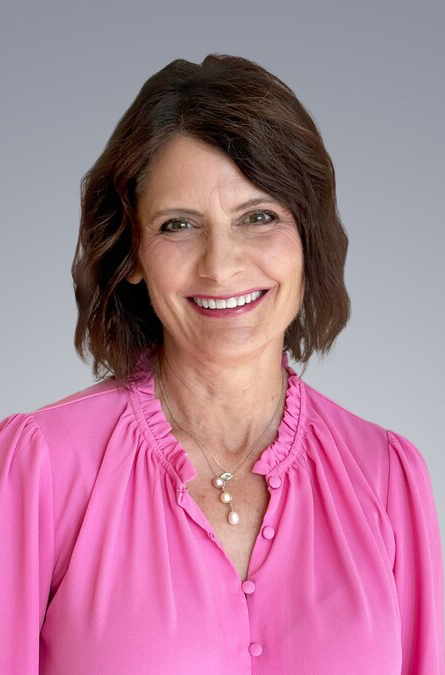
Dr. Caroline Carney is an adviser to the Coalition to Empower our Future. She is chief executive officer of Magellan Health, and is a board-certified internist and psychiatrist.