Sign In


 Free Newsletter

A new model for our shelters is emerging, and it’s needed now
Michael Hughes, Guest Commentary//January 15, 2026//
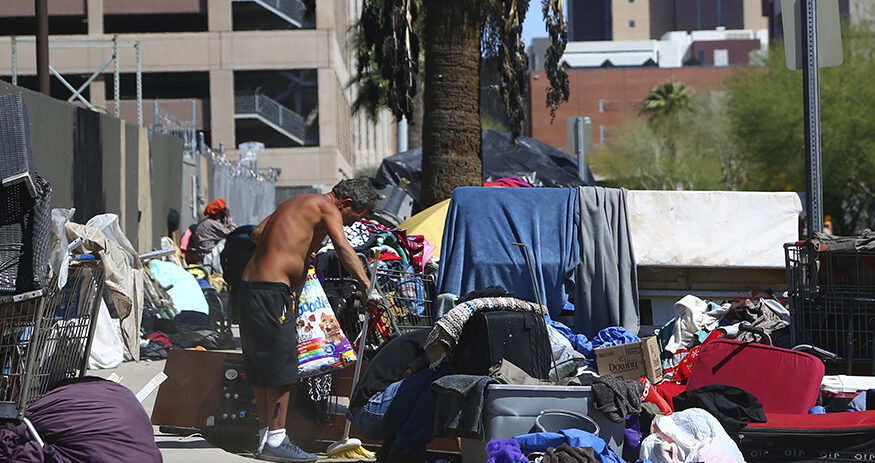
A man sweeps the sidewalk as tents and crude lean-tos crowd the sidewalks where many homeless people live along the streets on March 24, 2020, in Phoenix. (AP Photo/Ross D. Franklin)
A new model for our shelters is emerging, and it’s needed now
Michael Hughes, Guest Commentary//January 15, 2026//


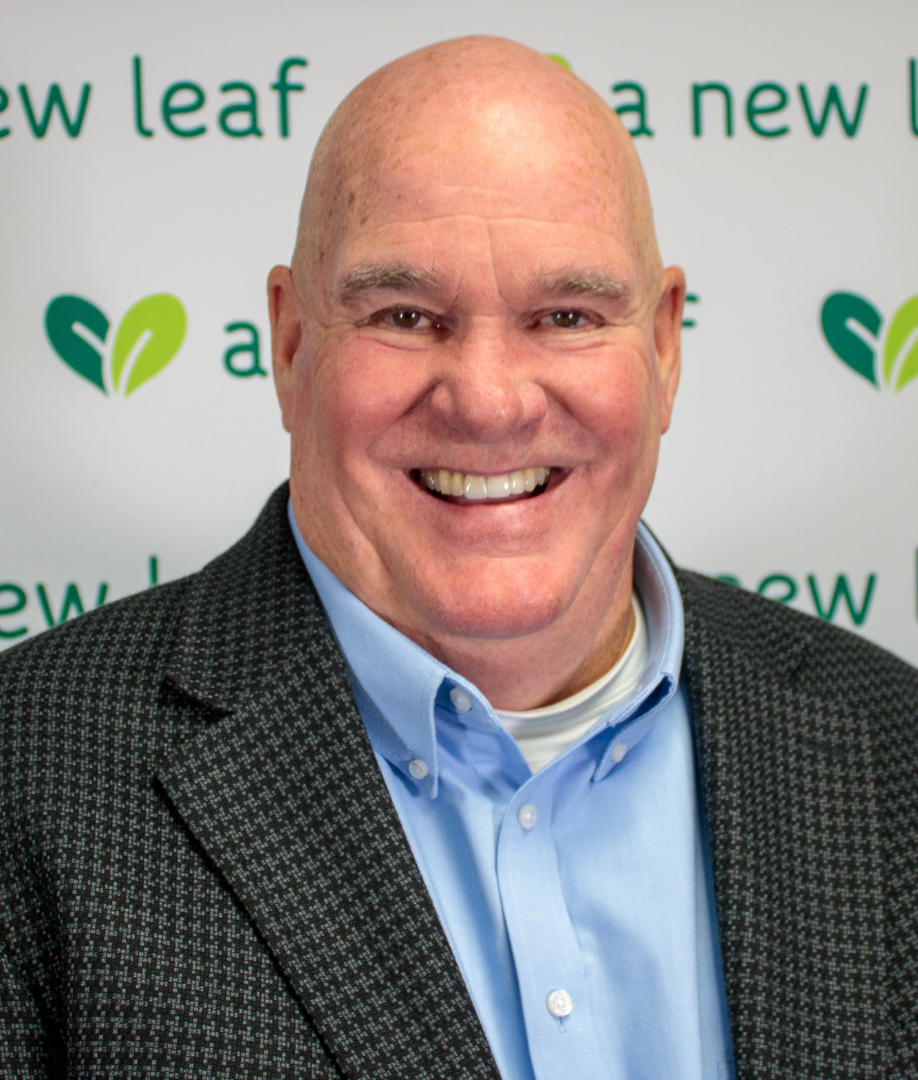
I have spent 50 years serving Arizona, working alongside families in crisis, nonprofit leaders, faith groups, and public servants who all believe, at their core, that everyone deserves a safe place to call home. As I prepare to retire as CEO of A New Leaf, one of the Valley’s largest shelter providers, I find myself deeply worried about what the future holds for our state’s response to homelessness.
Across Maricopa County, homelessness is rising while critical housing and shelter resources are being strained. According to the most recent Maricopa County Point-in-Time Count, 9,734 people were experiencing homelessness in 2025, the highest ever on record. Even more alarming, unsheltered homelessness rose by 28%, while the number of people able to access shelter declined by 16%
Behind those numbers are real people. They are families sleeping in their vehicles, seniors choosing between rent and medication, and veterans with full-time jobs who still cannot afford a home. These are not isolated cases. They are symptoms of a housing system under severe pressure.
Evictions are happening at historic levels. Rents continue to rise faster than wages. There is a widening gap between crisis and capacity, between the number of people who need help and the resources available to respond.
At the same time, the funding environment for housing and shelter services has become increasingly unstable. Providers across Arizona have faced the prospect of sudden federal policy shifts that could significantly reduce or cap support for proven housing programs, placing thousands of units at risk statewide.
Uncertainty alone has consequences: organizations are forced to plan for potential losses, redesign long-standing programs, and prepare for service reductions. The damage from this is often permanent. Housing systems depend on predictability to function effectively, and when funding becomes volatile it is the people relying on those systems who face the greatest risk. These are veterans, disabled, elderly, and severely mentally ill neighbors who need housing.
This is not a future problem. It is a present reality. And yet, even in this moment, I hold hope.
The formation of the Arizona Shelter Network marks a turning point in Arizona’s response to homelessness, uniting shelter providers under a shared commitment to coordinated operations, data-informed practice, and a stronger collective voice.
The Arizona Shelter Network brings together some of Arizona’s most experienced shelter providers, including A New Leaf, UMOM, Central Arizona Shelter Services, and Keys to Change. This collaboration is focused on practical, measurable outcomes: reducing shelter turn-aways, increasing utilization of existing beds, shortening the time it takes to move out of shelter, and helping more people exit homelessness into stable housing.
Importantly, this work recognizes a hard truth I have learned over five decades: no single organization, city, or funding stream can solve homelessness alone. Systems only change when we align around shared goals and accountability.
The alternative – fragmentation, underfunding, and short-term thinking – comes at a cost we all pay. It shows up in emergency rooms, court systems, and encampments. There is extensive research that shows it is often more affordable and prudent to simply provide housing. We cannot afford to have shelters turning people away because they lack funding or capacity. To do so would be irresponsible.
As someone nearing the end of a long career, I do not pretend to have all the answers. But I do know this: Arizona has the talent, the experience, and the will to respond more effectively than we are today – but only if we choose to invest in what works.
That means sustained funding for shelter and housing solutions. It means policies grounded in data. And it means continued support for collaborative efforts like the Arizona Shelter Network.
The Arizona Shelter Network will formally launch on Jan. 20 at Keys to Change, marking a new chapter in how shelters across Arizona work together. I invite community members, funders, and public leaders to learn more about this effort and what it can achieve by visiting AZShelterNetwork.org.
Make no mistake, my uncertainty does not come from a lack of belief in our community. It comes from knowing what is at stake if we fail to act with urgency and intention.
My hope comes from the people I have served alongside for 50 years and from the knowledge that when Arizona comes together, we can solve complex challenges like homelessness. The question before us is not whether homelessness affects us. It already does. The question is whether we will respond in ways that are worthy of the future we want to leave behind.
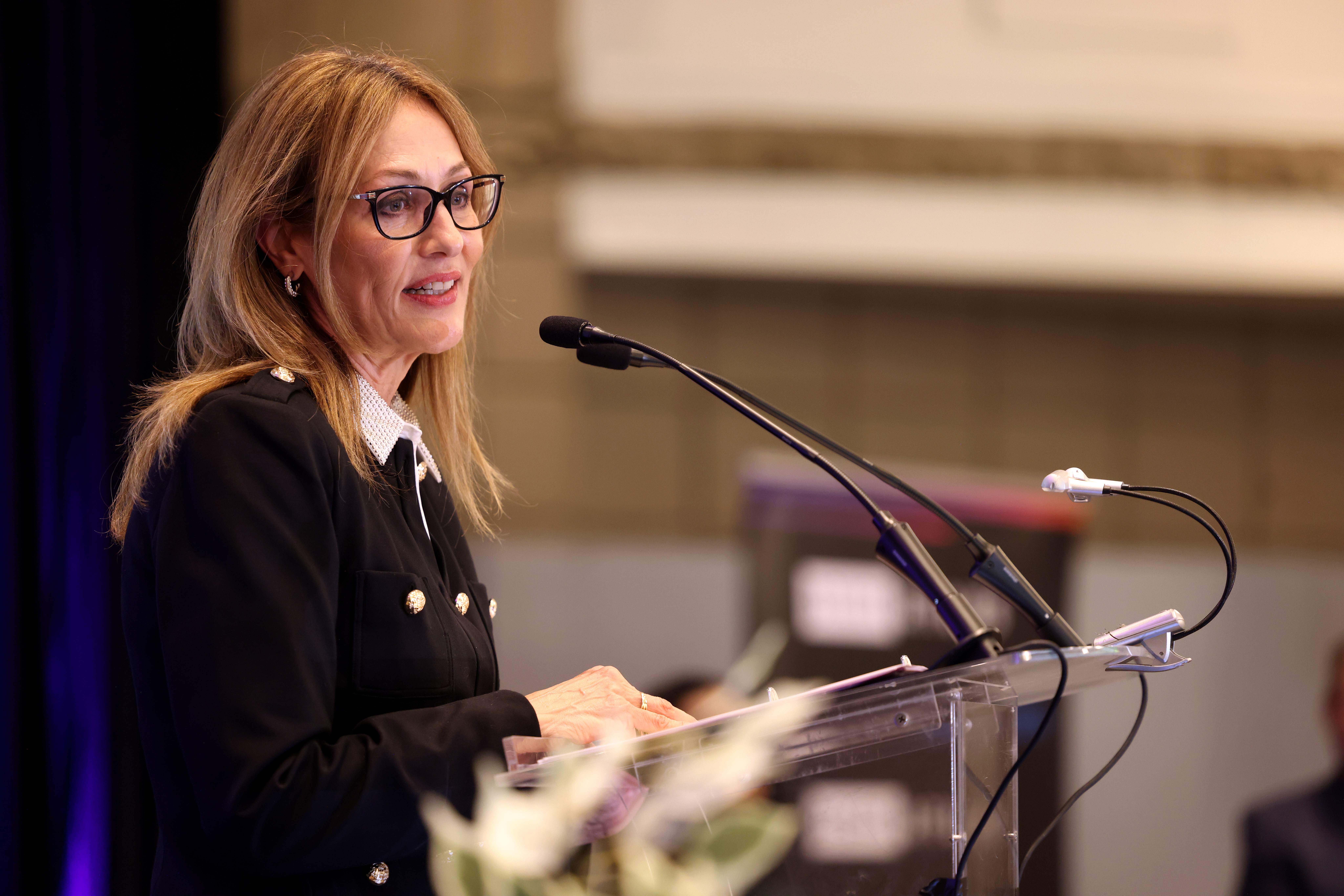
Michael Hughes is the CEO of A New Leaf.