Sign In




 Free Newsletter
World Press Freedom Day: What independent journalism actually does
Alison Bethel, State Affairs//May 3, 2026//
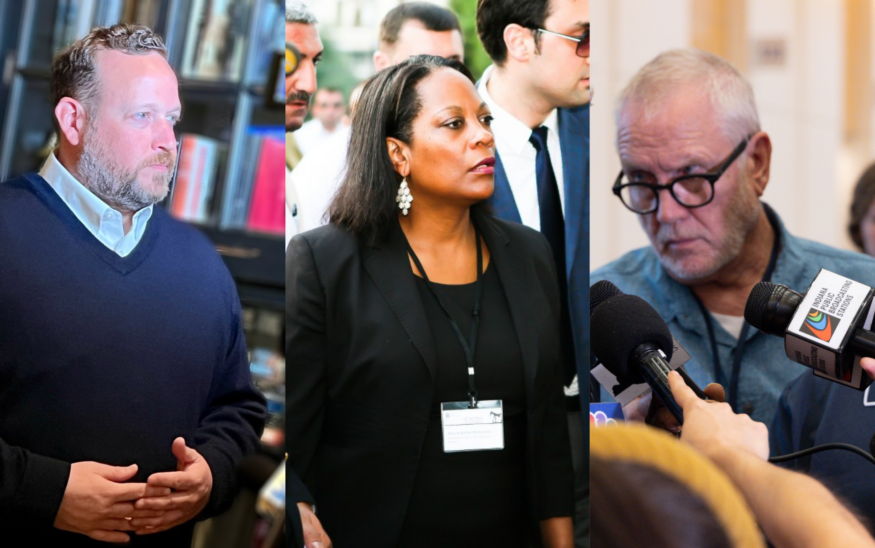
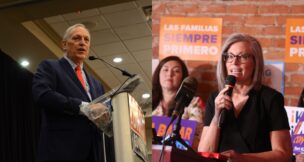
Journalists Jeremy Alford, Alison Bethel and Brian A. Howey. (Credit: Jeremy Alford; International Press Institute; Mark Curry)
World Press Freedom Day: What independent journalism actually does
Alison Bethel, State Affairs//May 3, 2026//


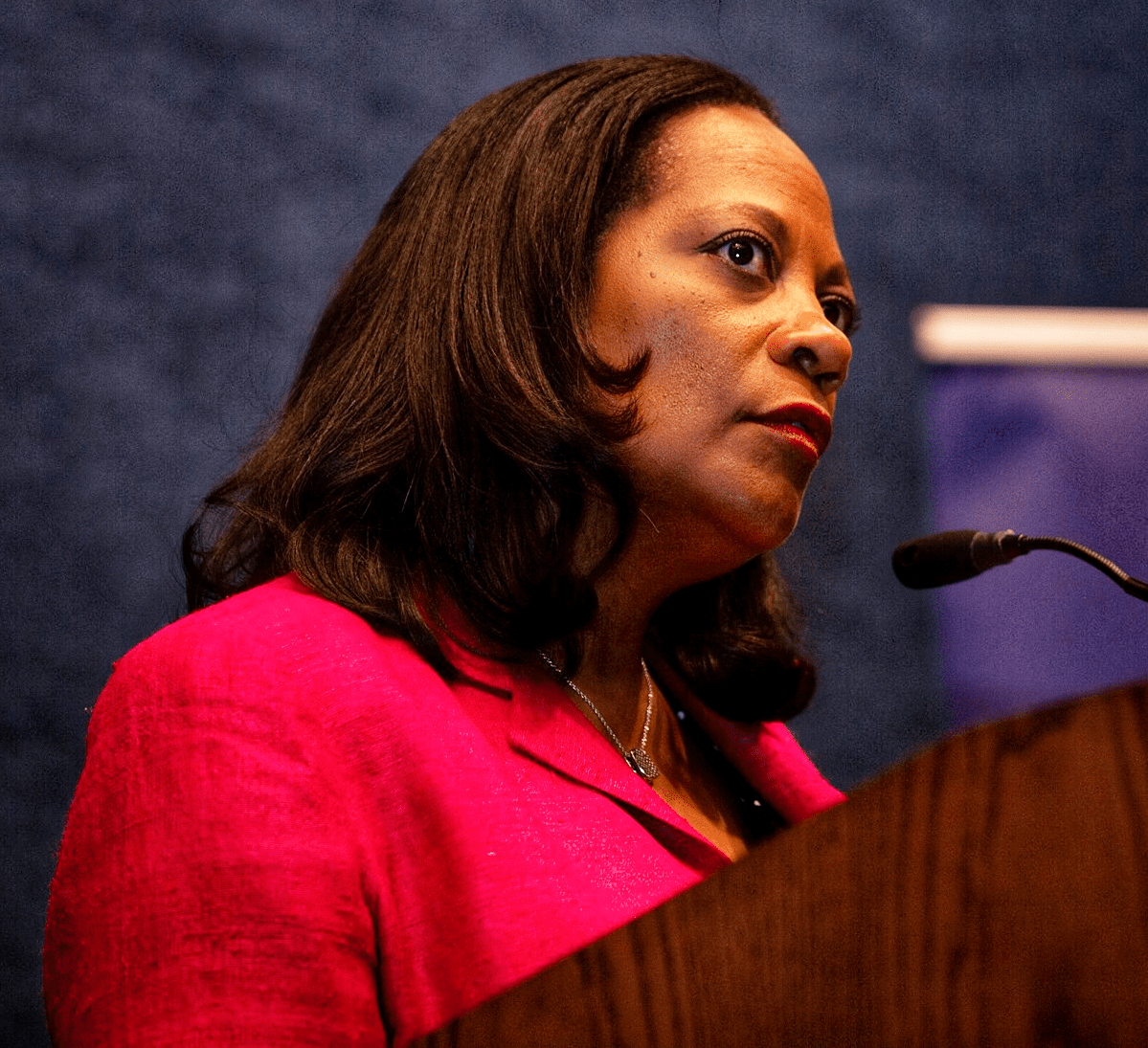
Every year, World Press Freedom Day (May 3) gives us a moment to pause and reflect on the role journalism plays in our lives and in our democracy.
This year’s theme — “Shaping a Future at Peace” — is an aspirational one. It asks a big question: What role does independent journalism play in fostering peace, sustainability and human rights?
The answer is both simpler and more complicated than we sometimes make it.
Independent journalism does not, on its own, create peace. It doesn’t solve inequality. It doesn’t fix broken systems.
What it does — at its best — is shine a light.
And that matters more than we often acknowledge.
I’ve spent my entire career working in and around newsrooms, in the United States and globally, often in places where press freedom was fragile or under direct threat. I’ve seen what happens when journalism is constrained, co-opted or silenced. And I’ve seen what happens when it’s allowed to operate independently and without fear.
It doesn’t guarantee better outcomes. But without it, better outcomes are much harder to achieve.
The difference is stark.
Independent journalism creates a shared set of facts. It gives communities the information they need to make decisions. It exposes wrongdoing and elevates voices that might otherwise go unheard. It connects people to issues beyond their immediate experience.
It doesn’t guarantee better outcomes. But without it, better outcomes are much harder to achieve.
In a moment when trust in institutions is uneven and information is everywhere — and not always reliable — the role of independent journalism becomes even more important. Not as an arbiter of truth in some abstract sense, but as a consistent, disciplined effort to verify, contextualize and explain.
That’s where journalism contributes to peace, sustainability and human rights.
Not by declaring them, but by helping us understand them.
At State Affairs, we focus on statehouse reporting — the place where policy decisions directly affect people’s lives. It may not always feel like the front lines of global change, but it is where many of the most important decisions are made: how resources are allocated, how systems are structured, how communities are supported or overlooked.
Not solving, but informing. Not prescribing, but illuminating. Not forcing agreement, but creating the conditions where understanding is possible.
Our job is to cover that clearly, fairly and without agenda. Because when people understand what’s happening — really understand it — they are better equipped to engage, to question and to act.
That is the contribution.
Not solving, but informing. Not prescribing, but illuminating. Not forcing agreement, but creating the conditions where understanding is possible.
That may not sound as grand as “shaping a future at peace.” But it is, in many ways, how that future becomes possible.
And it is why press freedom — real press freedom — remains essential. Not just for journalists, but for all of us.
Alison Bethel is State Affairs’ editor-in-chief and chief content officer. She is a veteran journalist with more than 42 years of experience as a senior editor, reporter and teacher.